Long-swim comfort
Open-water goggles that hurt after 30 minutes: what to buy differently
A pair of goggles can feel fine during the first few minutes and still become the wrong pair halfway through a lake swim. The problem is usually not that you need to toughen up. It is more often pressure, frame shape, or a seal that only behaves well during a short try-on.
Affiliate note: This article includes Amazon affiliate links. If you buy through those links, OpenWaterGoggles.com may earn a small commission at no extra cost to you. Product availability, lens colors, and current versions can change, so check the current listing before buying.
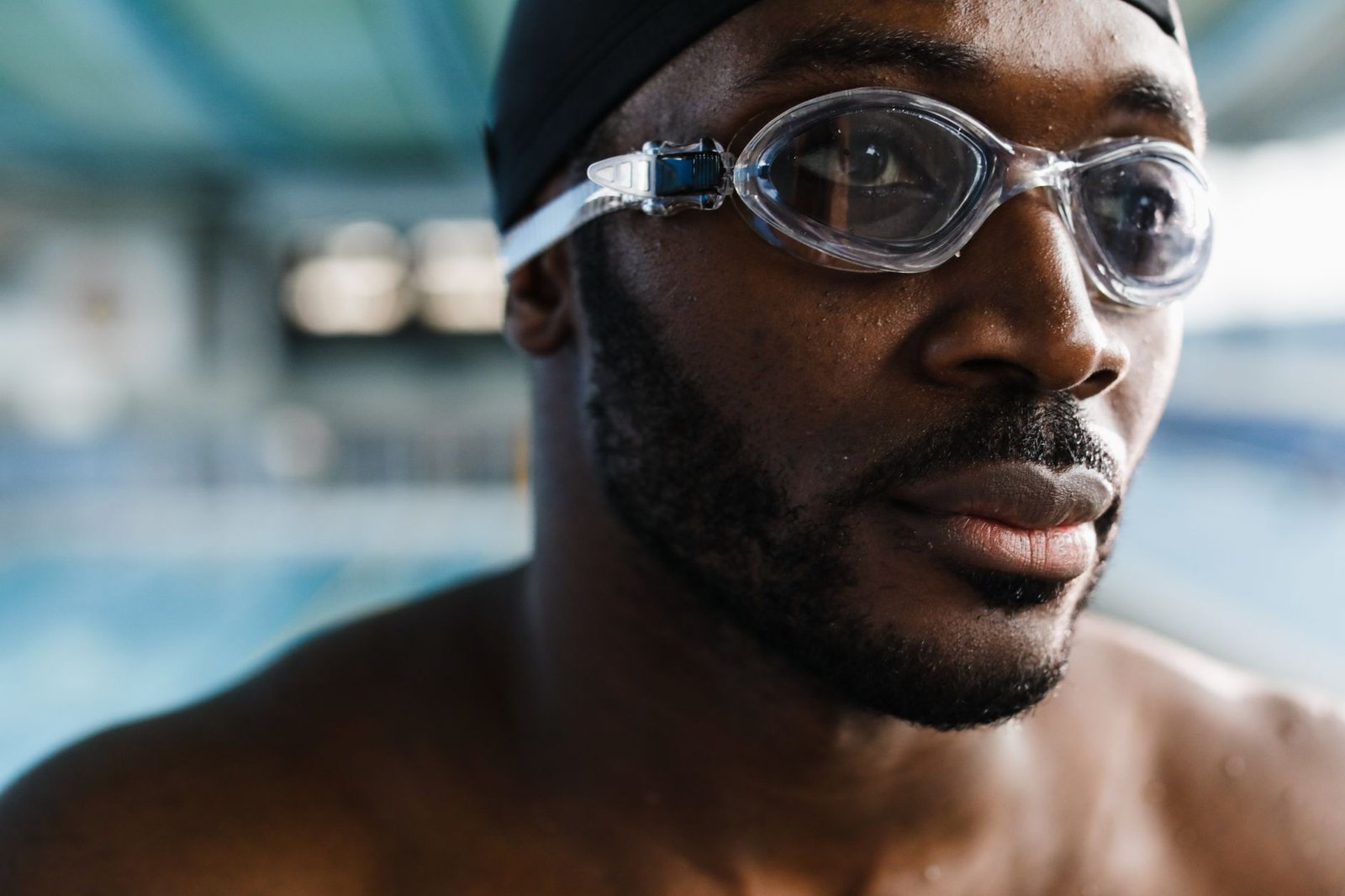
Quick answer: if your open-water goggles start hurting after 30 minutes, look beyond strap tension. Choose a frame that spreads pressure more gently, avoid a gasket that sits too deep in your eye socket, and be careful with compact race goggles if your main goal is long-distance comfort. For many swimmers, a wider comfort goggle or swim-mask style fit is a better buy than another tight, low-profile pair.
The frustrating part is that these goggles often pass the first test. You put them on before the swim, press them lightly to your face, and they seem to seal. Ten minutes later they are still fine. Then the pressure starts to build around the eye socket, across the bridge of the nose, or near the outer corners. By the time you are far from shore, you are thinking about the goggles more than the water.
That is a buying problem, not just a comfort complaint. A short pool set can hide it. Open water exposes it because the swim is longer, your head position changes when you sight, and you may be wearing a cap, sunscreen, or neoprene gear that changes how the strap sits.
The 30-minute problem usually comes from pressure, not pain tolerance
Some swimmers assume that discomfort is just part of open-water swimming. That is only partly true. You may feel light pressure from any sealed goggle, especially after a long swim. Deep aching, sharp pressure near the nose, or a headache-like feeling around the sockets is different.
When discomfort arrives late, it usually points to one of four things:
- the gasket is sitting on a sensitive part of the eye socket instead of around it;
- the nose bridge is pulling the lenses inward;
- the strap is being used to force a seal that the frame cannot create naturally;
- the frame is too compact for the way your face moves when you sight and breathe in open water.
None of those problems are fixed by buying the darkest lens or the most race-looking frame. Lens choice matters for visibility, but pressure is mostly about geometry.
What to buy differently if goggles hurt on long swims
Start by deciding what kind of swimmer you are buying for on this particular day. A triathlete doing a short race in calm water may accept a firmer, lower-profile feel. A swimmer training for 60 to 90 minutes in a lake should be less forgiving of pressure. A beginner who is still working on calm breathing probably benefits more from comfort and visibility than a tiny race frame.
If the pain is around the eye socket
Look for a softer, more forgiving gasket and a frame that does not sit too deep. Mask-style open-water goggles can help because they distribute pressure over a wider area. They are not always the fastest-looking option, but they can make a long swim feel less distracting.
Product direction: swimmers who want less eye-socket pressure may want to compare the Aqua Sphere DEFY Ultra Swim Mask or the Aqua Sphere Vista Pro Swim Mask. These are better fits for comfort and field of view than for swimmers who want the smallest possible race goggle.
If the pain is at the nose bridge
A wider frame is not automatically better. The nose area may be too narrow, too stiff, or simply the wrong angle for your face. If the inner corners press hard before the strap is even tight, the frame is telling you something. Do not ignore it.
In that case, choose goggles with a bridge that matches your face more naturally or offers a compact fit version. The goal is not to loosen the strap until the pain disappears. The goal is for the goggles to sit on your face without needing the strap to rescue the fit.
Product direction: if standard open-water goggles feel too large or pull awkwardly around the nose, the Aqua Sphere Kayenne Compact Fit Swim Goggles is a more sensible comparison point than another full-size mask. It gives up some of the large-mask feel but keeps a wider-view design than many pool racing goggles.
If the goggles only hurt during sighting
Sighting changes the fit. You lift the head, the eyebrows move, the cap may shift, and the strap angle can pull differently. A pair that feels fine while swimming face-down can start biting when you sight every few strokes.
That does not mean you need to stop sighting. It means the goggle should tolerate small face movements without digging into one spot. A secure open-water goggle matters here, but secure does not have to mean harsh.
Product direction: a race-focused option like the ROKA R1 Goggle can make sense for triathletes who prioritize sighting and stability. It is not the first place to send a swimmer whose main complaint is pressure after long easy swims. It is a more specific race-day choice.
Be careful with pool racing goggles for long open-water training
Pool racing goggles are popular for a reason. They are compact, stable, and familiar to swimmers who train in lanes. But a goggle that feels sharp and controlled for a race set may not be the most comfortable choice for a long lake loop.
The issue is not that pool racing goggles are bad. They are built around different priorities. A narrow profile can reduce drag and feel secure off the wall, but open water asks for longer comfort, easier sighting, and tolerance for uneven conditions.
Product direction: the Speedo Vanquisher 3.0 Mirrored Swim Goggles can suit swimmers who already like a Vanquisher-style fit and want a familiar mirrored lens for outdoor sessions. If you already know small socket-style goggles leave sore rings after half an hour, do not assume the mirrored version will solve that.
A simple fit check before you commit
You do not need a complicated test. Before buying or before keeping a new pair, wear the goggles at home for a few minutes without treating the strap as the main tool. Press the lenses gently into place, then release. If they only feel stable when the strap is very tight, that is a warning for open water.
Then look for the pressure points:
- inner corner pressure usually points to nose bridge or lens spacing;
- outer corner pressure often means the frame is too narrow or too curved for your face;
- deep socket pressure suggests the gasket shape is too aggressive for long comfort;
- temple pressure can come from a frame that is too small, not just from a tight strap.
If you already struggle with leaks, read the guide on why open-water goggles leak before assuming a tighter fit is safer. Leaks and pressure often have the same root cause: the shape is wrong.
Comfort does not mean loose
A comfortable goggle still needs to seal. The mistake is thinking the seal should come mainly from strap force. In open water, that usually creates a cycle: tighten, hurt, loosen, leak, tighten again.
The better goal is a frame that lightly settles into place before the strap does much work. The strap should hold the position. It should not have to bend the goggle into a new shape.
That is why long-swim comfort is not only about soft materials. It is about matching the frame to your face and to the kind of swim you are actually doing. A calm 20-minute outdoor pool session, a rough ocean swim, and a 90-minute lake training loop are not the same buying problem.
When a mask-style goggle makes more sense
Some swimmers avoid mask-style goggles because they look less serious than compact goggles. That is not a great reason to rule them out. If your main issue is pressure after 30 minutes, a wider contact area may be exactly what makes the swim easier.
A swim mask is not perfect for everyone. It can feel bulky, and some swimmers dislike the larger frame during crowded race starts. But for long training swims, recreational ocean swims, or beginners who want more awareness, the comfort tradeoff can be worthwhile.
Use the Open Water Goggles Finder if you are choosing between comfort, wide view, glare control, and race-day stability. It is easier to narrow the choice when you start with the problem instead of the product photo.
When to replace instead of adjust
Adjustment has limits. If a goggle leaves the same painful mark every swim, if the gasket has become stiff, or if you need to keep tightening the strap to stop tiny leaks, replacing it is more reasonable than fighting with it.
For race day, do not wait until the week of the event to discover that your comfortable-enough goggles become painful after 40 minutes. Test them for a swim that is close to your expected race or training duration. If the discomfort appears only after half an hour, a short try-on will not catch it.
For more general selection advice, the main open-water goggles buying guide is still the best starting point. This article is narrower: it is for the swimmer who already has a seal, but the seal starts to feel like a problem.
Not sure which open-water goggles fit your swim?
Answer a few quick questions about where you swim, your face fit, lens needs, and comfort priorities.