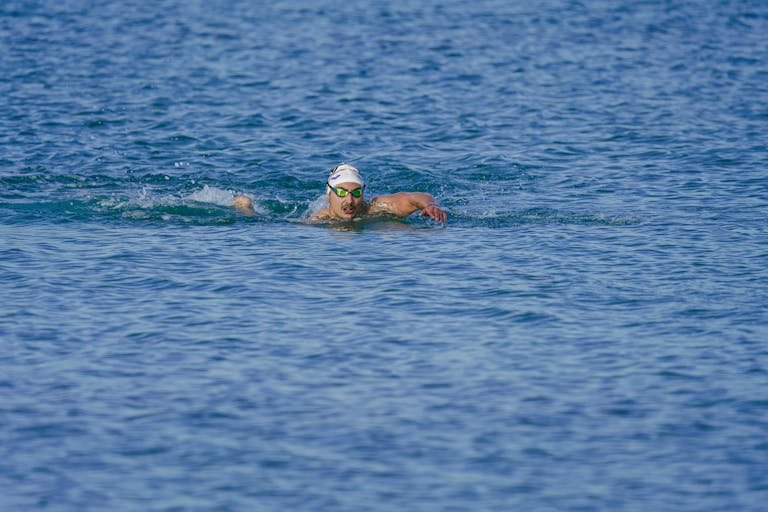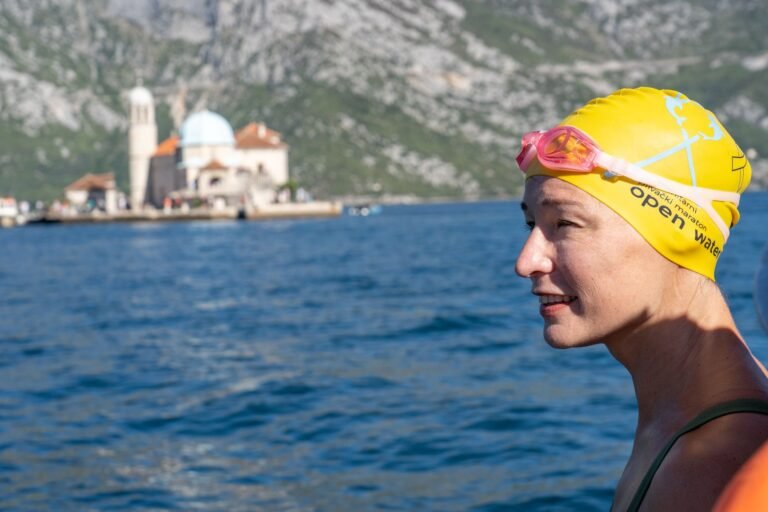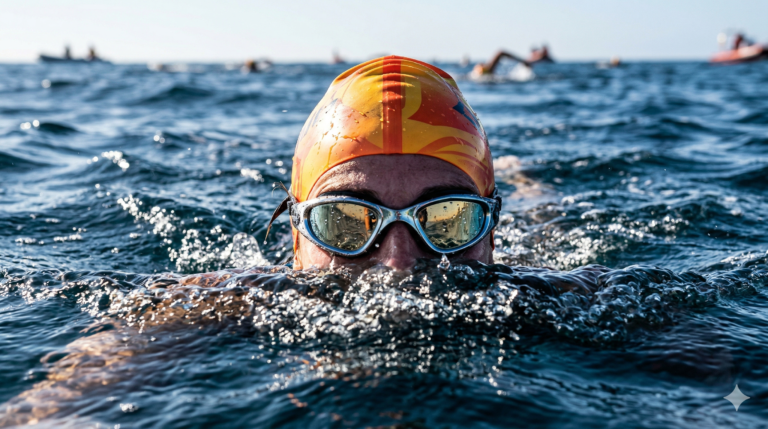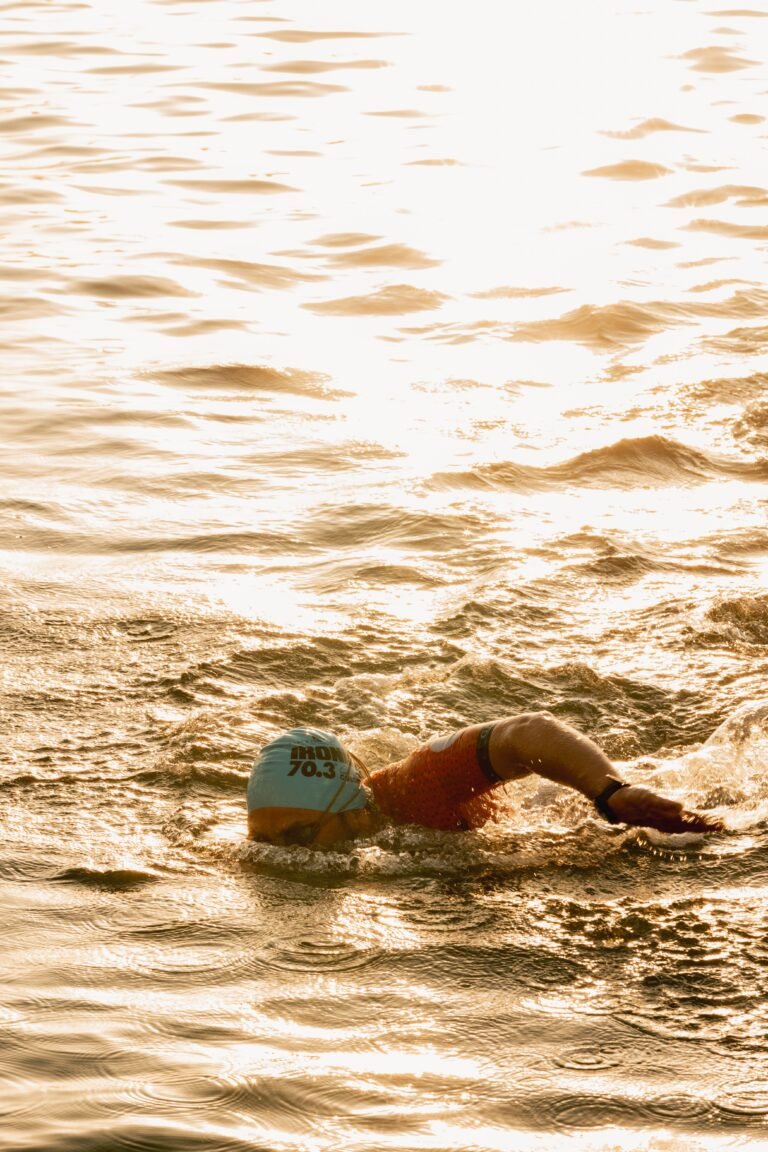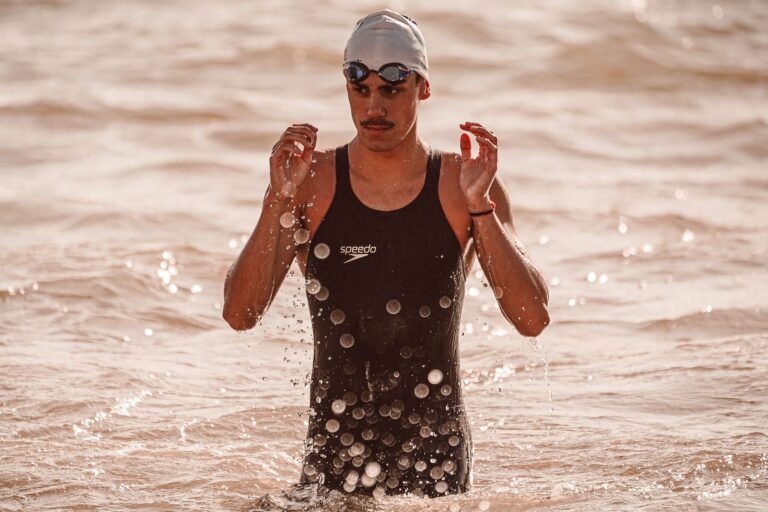
Low-light swimming is strange because the water can look calm from shore and unreadable once your face is in it. The buoy blends into the tree line. The sky is bright enough to fool you, but the water underneath your lenses feels flat and grey. This guide is for those dawn starts, cloudy lakes and evening training swims where dark mirrored goggles make you feel like you are swimming with the lights turned off.
Quick answer
The best goggles for low-light open water swimming usually use clear, amber, light smoke or adaptive photochromic lenses. Avoid very dark mirrored lenses for dawn, heavy cloud, shaded lakes and murky water unless you already know the course becomes bright quickly. For most swimmers, a wide-view clear or light-tint pair is the safest first choice.
Quick picks for low-light swims
Most low-light training swims
Cloudy races and changing light
Triathlon race mornings
Experienced swimmers who like a race feel
Reliable backup pair
Comparison table: low-light open water goggles
| Goggle | Best use | Lens to choose | Why it works in low light |
|---|---|---|---|
| Aqua Sphere Kayenne Clear Lens | Most low-light training swims | Clear or light smoke | A wide lens shape makes it easier to read a dull shoreline, find buoys early, and stay relaxed when the water looks flat and grey. |
| Zoggs Predator Flex Light Lens | Cloudy races and changing light | Light smoke or amber-style tint | The flexible frame is comfortable for long swims, while the lighter lens options avoid the tunnel feeling of dark mirrored goggles. |
| Zone3 Venator-X Clear / Photochromatic | Triathlon race mornings | Clear, light tint or photochromatic | A race-focused fit with good peripheral awareness for athletes who need one pair to handle pre-sunrise nerves and a brighter second half. |
| Arena Cobra Tri Swipe Mirror | Experienced swimmers who like a race feel | Light mirror, not very dark mirror | Fast, secure and low profile, but best for confident swimmers who already know the seal works on their face. |
| TYR Special Ops 2.0 Clear / Smoke | Reliable backup pair | Clear or smoke | A practical pair to keep in the race bag when the forecast shifts from sun to mist or the swim starts earlier than expected. |
Tip: product families often come in several lens versions. For this use case, choose the lighter lens version whenever possible.
The real low-light problem is contrast, not darkness
Many swimmers make the same mistake before an early race: they look at the sky, see a bright band near the horizon, and pack mirrored goggles. Then they get into the water and realize the swim course is not bright at all. The lens is cutting light, the buoy is small, and every sighting lift costs a little more confidence.
Low-light goggles should help you separate objects from the background. You want the orange buoy to stand apart from a grey lake, the lifeguard board to pop against a shaded shoreline, and the swimmer next to you to be visible before their elbow appears in your lane.
Choose clear when
The swim starts before sunrise, the course is shaded, the water is dark, or rain is possible.
Choose light tint when
The swim begins cloudy but may brighten later, or you want mild glare control without losing too much light.
1. Aqua Sphere Kayenne Clear Lens
Best for: Most low-light training swims. Lens choice: Clear or light smoke.
A wide lens shape makes it easier to read a dull shoreline, find buoys early, and stay relaxed when the water looks flat and grey.
The thing to notice in low light is not only brightness. It is how calmly your eyes read the surface. A good low-light pair should let you see a buoy without turning every ripple into glare or making the lake feel darker than it already is.
Who should skip it: swimmers who need maximum sun protection for a late-morning, glassy-water race should look at darker mirrored or polarized options instead.
2. Zoggs Predator Flex Light Lens
Best for: Cloudy races and changing light. Lens choice: Light smoke or amber-style tint.
The flexible frame is comfortable for long swims, while the lighter lens options avoid the tunnel feeling of dark mirrored goggles.
The thing to notice in low light is not only brightness. It is how calmly your eyes read the surface. A good low-light pair should let you see a buoy without turning every ripple into glare or making the lake feel darker than it already is.
Who should skip it: swimmers who need maximum sun protection for a late-morning, glassy-water race should look at darker mirrored or polarized options instead.
3. Zone3 Venator-X Clear / Photochromatic
Best for: Triathlon race mornings. Lens choice: Clear, light tint or photochromatic.
A race-focused fit with good peripheral awareness for athletes who need one pair to handle pre-sunrise nerves and a brighter second half.
The thing to notice in low light is not only brightness. It is how calmly your eyes read the surface. A good low-light pair should let you see a buoy without turning every ripple into glare or making the lake feel darker than it already is.
Who should skip it: swimmers who need maximum sun protection for a late-morning, glassy-water race should look at darker mirrored or polarized options instead.
4. Arena Cobra Tri Swipe Mirror
Best for: Experienced swimmers who like a race feel. Lens choice: Light mirror, not very dark mirror.
Fast, secure and low profile, but best for confident swimmers who already know the seal works on their face.
The thing to notice in low light is not only brightness. It is how calmly your eyes read the surface. A good low-light pair should let you see a buoy without turning every ripple into glare or making the lake feel darker than it already is.
Who should skip it: swimmers who need maximum sun protection for a late-morning, glassy-water race should look at darker mirrored or polarized options instead.
5. TYR Special Ops 2.0 Clear / Smoke
Best for: Reliable backup pair. Lens choice: Clear or smoke.
A practical pair to keep in the race bag when the forecast shifts from sun to mist or the swim starts earlier than expected.
The thing to notice in low light is not only brightness. It is how calmly your eyes read the surface. A good low-light pair should let you see a buoy without turning every ripple into glare or making the lake feel darker than it already is.
Who should skip it: swimmers who need maximum sun protection for a late-morning, glassy-water race should look at darker mirrored or polarized options instead.
How to choose goggles for dawn, cloud and murky water
- Start with lens brightness. If you hesitate between two lenses, choose the lighter one for an early start.
- Prioritize field of view. Low light makes small mistakes bigger, so peripheral awareness matters.
- Test against a real background. Put the goggles on outside and look toward trees, docks and buoys, not only through a window.
- Keep the seal boring. Race morning is not the time to test an aggressive low-profile frame if you normally wear a softer gasket.
- Pack one contrast option. A clear backup pair weighs almost nothing and can save the day when the forecast changes.
Lens choices that actually make sense
Clear lenses
Clear lenses are not basic; they are often the smartest choice for dark water. They give you maximum light and the least distortion. The tradeoff is glare protection if the sun breaks through later.
Amber or yellow-style lenses
Amber lenses can add contrast on grey days. They are useful when the water and sky are similar colors, but they are not magic. If the course is very bright, they may feel too open.
Light smoke
Light smoke is the compromise lens. It softens brightness without making the swim feel closed in. It works well for cloudy races that may become brighter by the second half.
Photochromic lenses
Photochromic lenses are appealing for variable conditions, especially triathlon starts that begin dim and finish under sun. Just remember that lens transition is not instant and depends on actual UV exposure.
Dark mirrored lenses
Dark mirrored goggles can be excellent for strong sun, but they are the easiest way to ruin a dawn swim. Save them for bright ocean races, outdoor pool glare and high-sun conditions.
For a deeper breakdown of lens behavior, read the open water goggle lens color guide and the comparison of photochromic vs polarized swim goggles.
Common low-light mistakes
Wearing the same mirrored pair for every race. One favorite pair is convenient, but light changes by course, start time and weather.
Choosing by how goggles look on land. A lens that looks sharp in the transition area may feel too dark once your head is low in the water.
Ignoring buoy color. Orange buoys, yellow buoys and small turn markers do not stand out equally through every lens.
Forgetting the backup pair. A clear backup in your race bag is cheap insurance. Pair this article with the pre-race goggles checklist.
Race-day setup: the two-pair rule
For low-light races, pack two pairs: your planned lens and a clear or lighter backup. When you arrive, stand near the water and look toward the first buoy. If you have to squint through darkness or lift your head longer than normal to identify the buoy, switch lighter.
This is especially useful for long-course triathlon. The swim might start under cloud, then brighten halfway through, or the first stretch may run toward a dark shoreline before turning into glare. Your goggles should fit the first ten minutes of the swim, not just the finish photo.
Final verdict
For low-light open water swimming, choose visibility before style. Clear, amber, light smoke and adaptive lenses are usually better than dark mirrored lenses when the start is early, the weather is flat, or the water is murky. The best pair is the one that lets you sight quickly, stay calm between buoys and forget about your goggles once the swim settles.
Start with a comfortable wide-view pair, test it outside before race day, and keep a clear backup in your bag. For longer triathlon events, also compare these choices with the main Ironman swim goggles guide.
Related guides
Fit, seal, lens type and comfort basics.
Clear, smoke, amber, mirrored and adaptive lenses.
What to test before you pack your transition bag.
Stay visible when light and water conditions are poor.