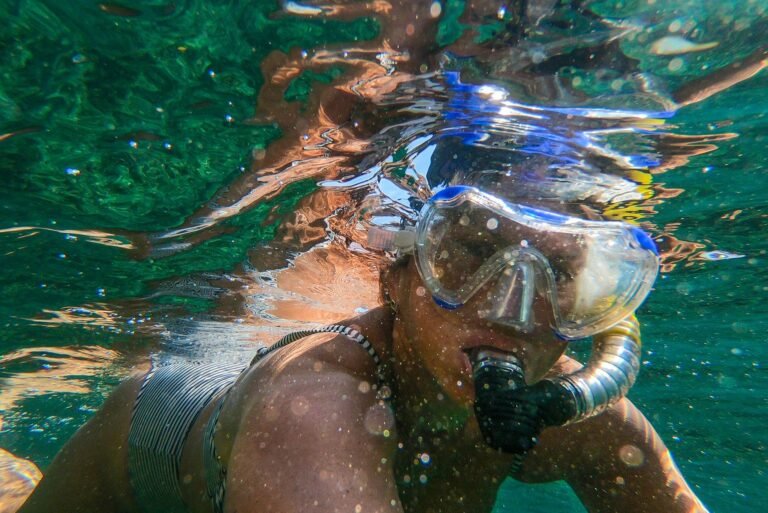
Saltwater is brutally honest. A pair of goggles that feels fine in a pool can start leaking the moment a small wave hits your face, fog up after the first few minutes, or leave your eyes burning after one bad seal. This guide is for beach swimmers, ocean triathletes, and anyone who wants a calmer swim when the water is bright, salty, and moving.
Quick picks: best goggles for saltwater swimming
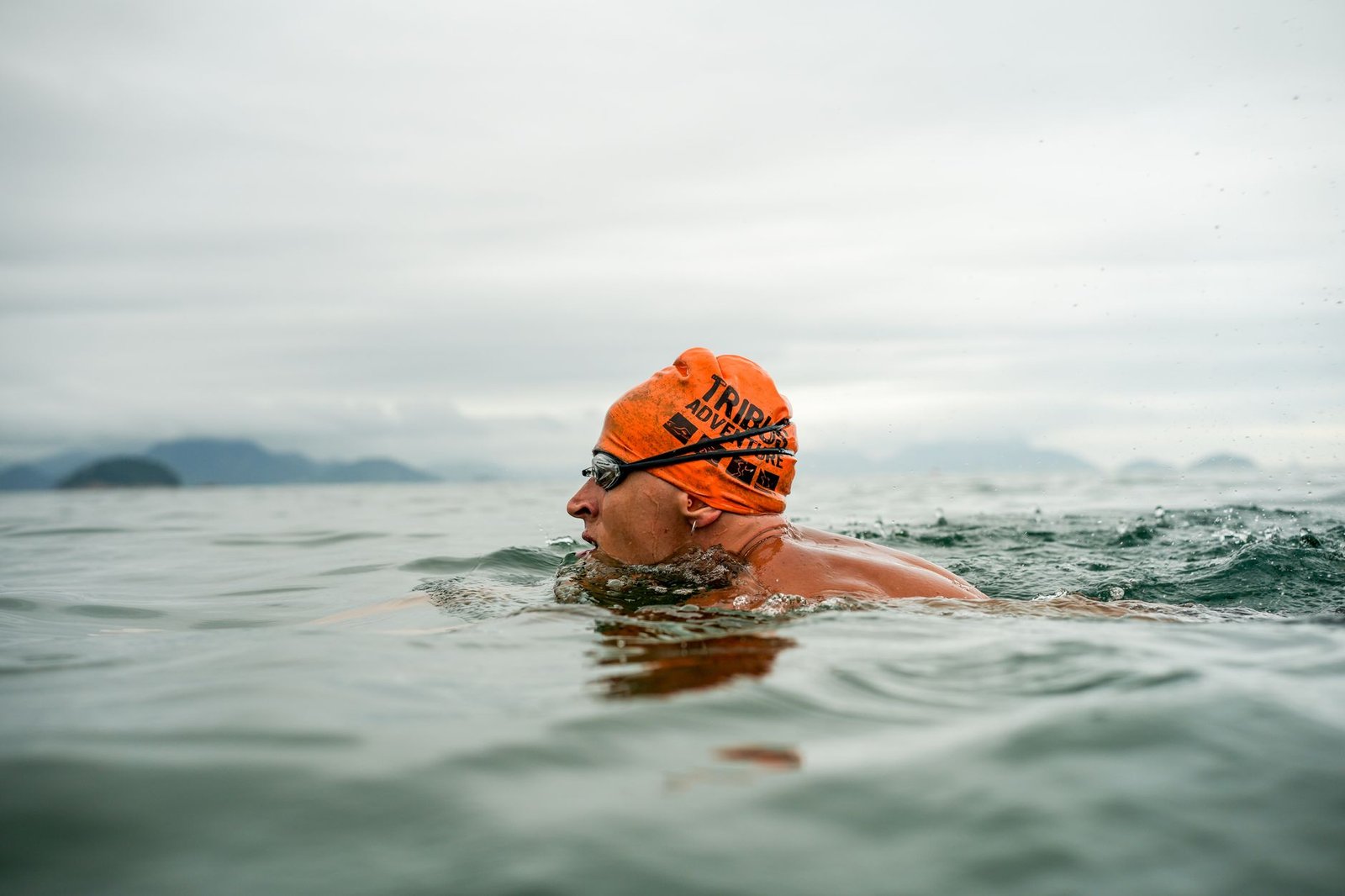
In saltwater, the right seal matters as much as the lens. One small leak can turn a relaxed ocean swim into ten minutes of blinking and stopping.
Quick answer
The best goggles for saltwater swimming are not simply the darkest or most expensive pair. Look for a soft but stable gasket, UV-protective lenses, a tint that matches your usual sun conditions, and straps that do not loosen when waves hit your face. For most ocean swimmers, the safest starting point is a comfortable open-water goggle with a wide field of view and a proven seal rather than a tiny pool-racing socket.
Comparison table
| Goggle | Best for | Saltwater strength | Watch out for |
|---|---|---|---|
| Zoggs Predator Flex | Most ocean swimmers | Flexible frame helps the seal stay comfortable during chop | Lens version matters; choose tint based on your sun exposure |
| Aqua Sphere Kayenne | Wide sighting view | Large lens makes it easier to read waves, buoys, and beach exits | Can feel too roomy for swimmers who prefer a low-profile fit |
| Zone3 Venator-X | Triathlon and race practice | Good balance of visibility, fit security, and race-day feel | Test it in training before trusting it for a long race |
| TYR Special Ops | Bright beach days | Solid option for glare and long sunny swims | Not the best choice for very dark dawn starts if using a dark lens |
Full reviews
1. Zoggs Predator Flex — best overall for regular saltwater swims
The Predator Flex is the kind of goggle that makes sense when your swims are not perfectly controlled. It has a forgiving fit, enough structure to stay in place, and a seal that many open-water swimmers find easier to trust than smaller pool goggles. For saltwater, that matters because tiny leaks feel much worse in the ocean than they do in a pool.
It is especially useful for swimmers who train from the beach, deal with small waves on entry, or want one pair they can use for both casual open-water sessions and race preparation.
- Comfortable for longer ocean swims
- Stable fit without feeling overly tight
- Good all-round choice for beach training
- Not every lens version suits every light condition
- Swimmers with very narrow faces should test the seal carefully
2. Aqua Sphere Kayenne — best for wide ocean visibility
The Kayenne is a strong choice when your biggest problem is not speed, but awareness. In the ocean, you are watching more than the black line at the bottom of a pool. You are reading waves, checking the shoreline, sighting buoys, avoiding other swimmers, and keeping an eye on changing light.
The larger lens shape gives you a more relaxed view, which can make saltwater swimming feel less claustrophobic. It is a good match for newer ocean swimmers who want confidence, but it also works for experienced swimmers who prioritize sighting.
- Excellent field of view
- Comfortable mask-like feel
- Helpful for sighting in moving water
- Bigger profile than race-style goggles
- Some swimmers prefer a firmer socket feel
3. Zone3 Venator-X — best for salty triathlon training
If your saltwater swims are part of triathlon training, you need a goggle that can handle both comfort and race nerves. The Venator-X fits that middle ground: more open-water friendly than a tiny pool socket, but still purposeful enough for race rehearsals and harder efforts.
It is a good pick for athletes who swim in coastal venues, practice beach starts, or want a reliable pair to use before an Ironman or Olympic-distance triathlon. Pair it with a proper pre-race checklist instead of opening it for the first time on race morning.
- Designed with triathlon use in mind
- Good mix of visibility and secure feel
- Useful for race simulation swims
- Fit should be tested over several ocean sessions
- May be more goggle than casual swimmers need
4. TYR Special Ops — best for bright, sunny saltwater
Bright ocean water can be more tiring than many swimmers expect. Even when your stroke feels fine, glare can make every sighting effort harder. TYR Special Ops goggles are a practical option for swimmers who deal with strong sunlight, outdoor training, and long beach sessions.
Choose the lens carefully. A darker or mirrored version is useful when the sun is high, but it can feel too dim during dawn starts, foggy mornings, or shaded transitions.
- Good value for sunny open-water sessions
- Useful glare control depending on lens version
- Comfortable enough for regular training
- Dark lenses are not ideal for low light
- Fit can vary by face shape
How to choose goggles for saltwater swimming
1. Start with the seal, not the lens
Lens color is important, but a beautiful mirrored lens will not help if seawater creeps in every thirty seconds. Press the goggles gently to your face without using the strap. If they hold for a moment with light suction, you are closer to the right fit. If they fall immediately, tightening the strap usually just creates pressure marks and headaches.
2. Match the lens to your actual beach, not the product photo
Many swimmers buy the darkest mirrored lens because it looks fast. That works on bright, high-sun days. It is less useful for early-morning swims, cloudy coastal water, or races that start before the sun clears the horizon. For mixed conditions, smoke or amber can be more forgiving than very dark mirrored lenses.
3. Choose comfort for the full swim, not the first five minutes
Saltwater discomfort often builds. A gasket that feels only slightly sharp at the start can feel miserable after 45 minutes of chop, sunscreen, and repeated sighting. If you swim long, choose a goggle you can forget about.
- Soft gasket that seals without crushing your eye sockets
- UV-protective lens for outdoor exposure
- Smoke, mirrored, or polarized lens for strong sun
- Clear or amber lens for dawn, dusk, or cloudy water
- Split strap that stays stable when waves hit
- Hard case for sand, travel, and race bags
Saltwater lens guide: clear, smoke, mirrored, or polarized?
| Lens type | Best ocean condition | When to skip it |
|---|---|---|
| Clear | Dawn, dusk, overcast water, shaded starts | Bright midday glare |
| Amber / orange | Flat light, cloudy coastal swims, better contrast | Very harsh sun if you are glare-sensitive |
| Smoke | General sunny open-water training | Low visibility mornings |
| Mirrored | High sun, bright sand, reflective ocean surface | Dark skies or shaded race starts |
| Polarized | Persistent surface glare and long sighting efforts | Low light or when you prefer a brighter visual field |
For a deeper comparison of glare control, see our guide to photochromic vs polarized swim goggles. If you are still choosing your first open-water pair, start with the broader open-water goggles buying guide.
Care tips after swimming in saltwater
Saltwater care is boring until it saves your favorite goggles. The goal is not to scrub them clean; the goal is to remove salt and sand without damaging the anti-fog coating.
- Rinse the outside and inside gently with fresh water.
- Shake off water instead of wiping the inner lens.
- Let the goggles air-dry away from direct heat.
- Store them in a case so sand does not scratch the lens.
- Rubbing the inside lens with a towel.
- Leaving salty goggles in a hot car.
- Throwing them loose into a sandy swim bag.
- Using sunscreen-covered fingers on the inner lens.
Common mistakes ocean swimmers make with goggles
- Over-tightening the strap: This often makes leaks worse by distorting the gasket.
- Buying only for lens darkness: A dark lens can be great at noon and frustrating at sunrise.
- Ignoring sunscreen: Sunscreen on the gasket can reduce grip and increase slipping.
- Skipping a backup pair: Saltwater races are not the place to discover a broken strap.
- Never rinsing after swims: Salt crystals and sand shorten the life of both lens and gasket.
FAQ
Do you need special goggles for saltwater swimming?
You do not need a completely separate category of goggle, but you do need a pair that seals reliably and handles outdoor light. Saltwater makes small leaks feel much worse, so fit should come before style.
Are polarized goggles best for ocean swimming?
They are excellent for glare-heavy ocean swims, especially when the sun reflects off the surface. They are not always the best choice for dawn, dusk, cloudy water, or swimmers who prefer a brighter view.
Why do my goggles leak only in the ocean?
Waves, head movement, sunscreen, and repeated sighting can all disturb the seal. Pool goggles may feel fine in still water but shift when chop hits your face from the side.
How should I clean goggles after saltwater?
Rinse gently with fresh water, avoid rubbing the inner lens, let them air-dry, and store them in a case. This protects the anti-fog coating and reduces scratches from sand.
What lens color is best for saltwater swimming?
For bright sun, smoke, mirrored, or polarized lenses work well. For low light, cloudy conditions, or early starts, clear or amber lenses are usually easier to see through.
Related guides
Choosing gear for a long triathlon swim? Read our Best Goggles for Ironman Swim 2026.
For a broader decision framework, see how to choose open-water goggles.
For longer swims, pair goggles with one of the best open-water swim buoys and dry bags.
Editorial note: Fit varies by face shape. Use this guide as a shortlist, then test your chosen goggles in training before relying on them for a race or long ocean swim.