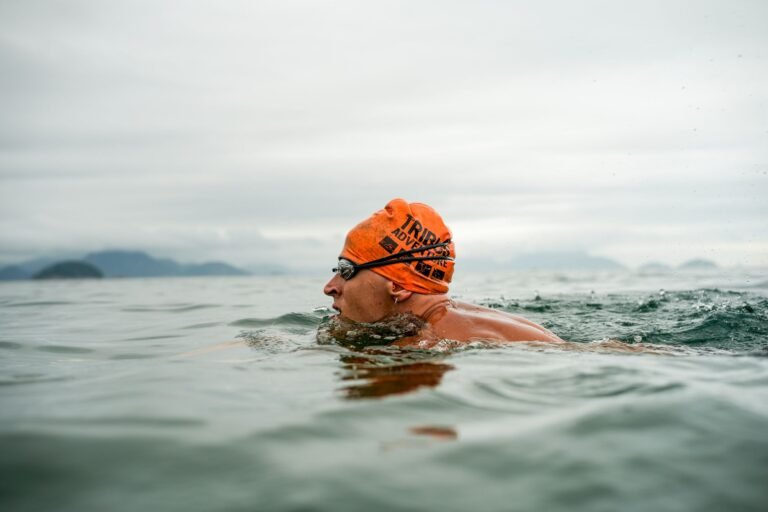
There is a terrifying phenomenon in endurance sports known as “bonking” or “hitting the wall.” In marathon running, if you bonk, you can simply sit down on the curb and wait for the medical tent. In open water swimming, if your glycogen levels crash and your muscles completely run out of fuel while you are a mile offshore, you are in a life-threatening situation.
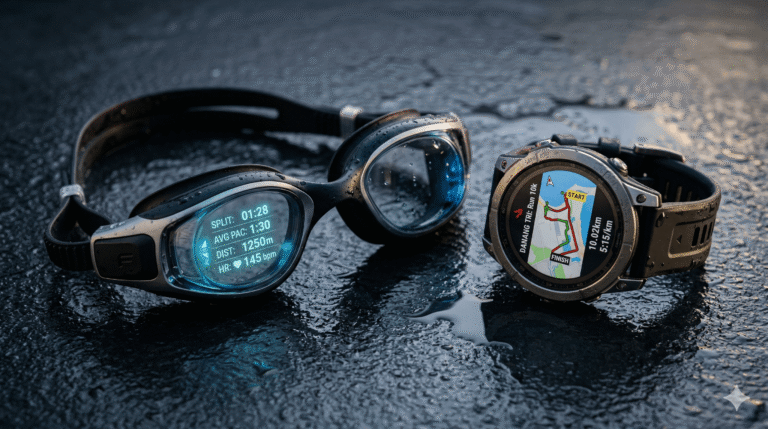
I experienced a severe nutritional crash during a 10-kilometer lake swim three years ago. I had neglected my pre-race hydration. By kilometer seven, both of my calves locked up in agonizing cramps. My stroke rate plummeted, my GPS swim watch showed my pace slowing to a crawl, and I felt completely dizzy. It took every ounce of mental toughness I had to fight through the pain and make it to the finishing dock.
You can spend thousands of hours perfecting your freestyle pull mechanics, but if you put cheap, inadequate fuel into your engine, it will inevitably stall. At OpenWaterGoggles.com, we believe that nutrition is the ultimate invisible gear. In this 2026 comprehensive guide, we will break down exactly what you need to eat before, during, and after your open water swims to maximize endurance, prevent cramps, and swim faster than ever before.
1. Pre-Swim Fuel: Priming the Engine
What you eat in the 24 hours leading up to a massive ocean swim dictates how you will feel in the water. Your muscles run primarily on glycogen (stored carbohydrates). If those stores are empty, you will feel incredibly sluggish.
The Night Before:
Forget the massive, heavy pasta dinners covered in creamy Alfredo sauce. High-fat and high-dairy meals take forever to digest. Instead, focus on lean proteins and complex carbohydrates. Grilled chicken with white rice, sweet potatoes, and a small amount of easily digestible vegetables is the perfect pre-race dinner.
2 Hours Before the Swim:
When you wake up, your liver glycogen is mostly depleted from fasting overnight. You need simple, fast-acting carbohydrates that will easily pass through your stomach without causing gastrointestinal distress. A banana, a slice of toast with jam, or a handful of pretzels are excellent choices. Absolutely avoid heavy fats, high-fiber granolas, and acidic juices.
2. In-Water Hydration: The Hidden Danger
Because you are surrounded by water, your brain tricks you into thinking you are not sweating. This is a dangerous illusion. During an intense open water workout, you are sweating profusely, losing both fluid and critical electrolytes.
If your swim lasts less than 60 minutes, you do not need to feed in the water; your pre-swim fuel is enough. However, if you are swimming for 90 minutes or more, you must consume calories and fluids mid-swim. But how do you eat in the middle of a lake?
The Solution: The Dry-Bag Swim Buoy
As we heavily emphasized in our cold water safety gear guide, you should never swim without a brightly colored inflatable buoy. Premium swim buoys feature a waterproof roll-top compartment. You can easily stash a soft hydration flask filled with electrolytes and a few energy gels inside. Every 45 minutes, simply roll onto your back, open the buoy, take a quick drink, and resume your stroke.
3. Defeating the Cramp: The Role of Electrolytes
Cramping is the open water swimmer’s worst nightmare. When a calf or hamstring seizes up in deep water, it causes instant panic.
While cold water temperatures play a role by restricting blood flow, the primary culprit of muscle cramping is electrolyte depletion. When you sweat, you lose sodium, potassium, calcium, and magnesium. If you only drink plain water before a race, you are actually diluting the remaining sodium in your blood (a dangerous condition called hyponatremia).
The Fix: Pre-loading Hydration
In the days leading up to a long swim, you must add high-quality electrolyte powders to your water. Look for hydration mixes that contain a heavy dose of sodium and magnesium. Sipping on an electrolyte drink 45 minutes before you put on your open water goggles will saturate your muscles and drastically reduce the risk of mid-race lockups.
Shop Electrolyte Powders on Amazon
4. Post-Swim Recovery: Rebuilding the Damage
Your workout is not finished when you step out of the water; it is finished when you recover. Swimming breaks down muscle tissue and completely drains your glycogen stores. There is a critical 45-minute “anabolic window” immediately following your swim where your body is desperate for nutrients.
The 3-to-1 Ratio:
Research shows that the optimal recovery fuel contains three parts carbohydrate to one part protein. The carbohydrates rapidly replenish your empty energy tanks, while the protein repairs the micro-tears in your latissimus dorsi and shoulder muscles.
Keep a shaker bottle with a high-quality whey or plant-based recovery protein powder in your transition bag. The moment you peel off your wetsuit, drink it. It will stop the muscle breakdown process and ensure you are not devastatingly sore the next day.
The Final Verdict: Fuel With Purpose
Do not treat your nutrition as an afterthought. You would never put cheap, low-grade gasoline into a high-performance sports car, so stop doing it to your body.
Test your nutritional strategies during your training sessions, not on race day. Find out which energy gels sit well in your stomach, practice drinking from your safety buoy while treading water, and proactively manage your electrolytes. When your engine is fully fueled, your mental training and physical endurance will align perfectly, allowing you to conquer any distance.
What should I eat 2 hours before an open water swim?
Focus on easily digestible, simple carbohydrates. A bagel with honey, a banana, or a bowl of oatmeal are perfect. Avoid high-fiber foods, dairy, and heavy fats (like bacon or cheese) as they sit in your stomach and cause severe cramping during the swim.
How do you drink water during a long ocean swim?
For swims lasting over an hour, dehydration is a massive risk. You can store a soft hydration flask or energy gels inside the waterproof compartment of your inflatable safety swim buoy. Simply roll onto your back, grab your flask, drink, and keep swimming.
Why do my calves always cramp in the open water?
Cramping is primarily caused by a combination of muscle fatigue, cold water temperatures constricting blood flow, and a severe depletion of electrolytes (specifically sodium and magnesium). Pre-loading with a high-quality hydration mix before you jump in is crucial.
Should I swim on an empty stomach for morning workouts?
If you are doing a light, 30-minute recovery swim, swimming fasted is fine. However, if you are doing high-intensity interval training or swimming for over an hour, you must consume at least 150-200 calories of simple carbs beforehand, or your performance will instantly crash.
Disclaimer: OpenWaterGoggles.com is a member of the Amazon Associates program and earns from qualifying purchases. When you purchase new swim gear through our links, we earn a commission at no additional cost to you.