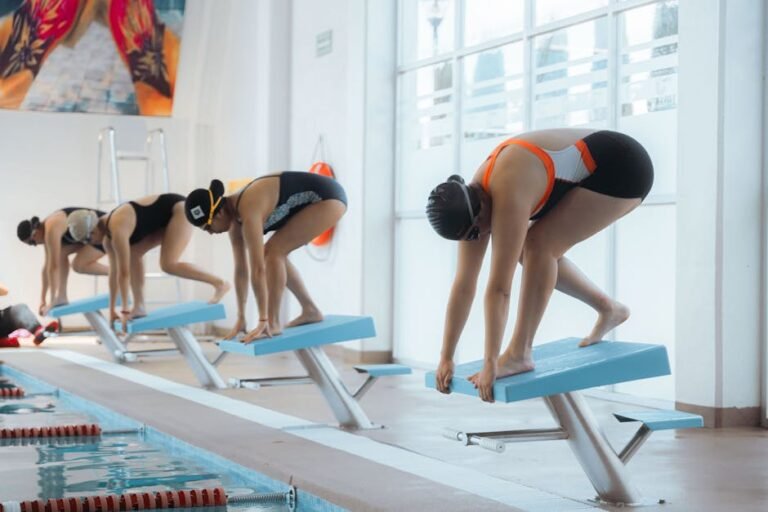
There is a dangerous trap that many triathletes and marathon swimmers fall into when preparing for race day. They spend 95 percent of their season swimming endless, perfectly paced laps in a crystal-clear, temperature-controlled indoor pool. They memorize the black line on the floor, they rely on the wall to push off every 25 yards, and they expect that fitness to perfectly translate to the ocean.
It never does.
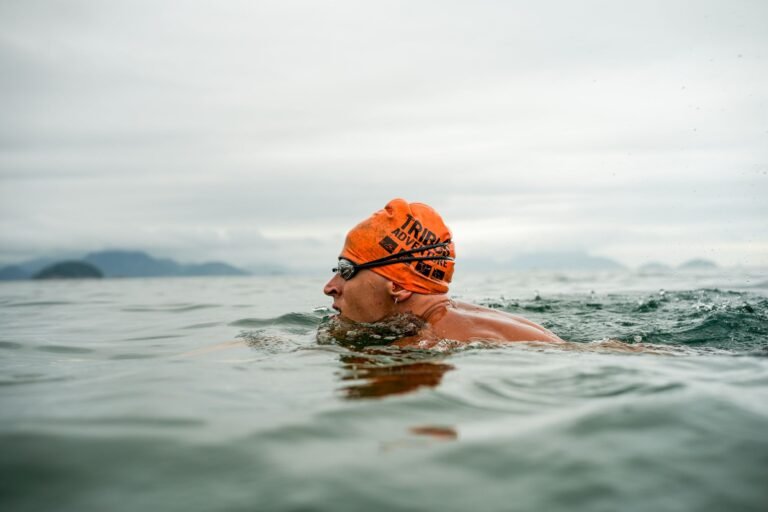
When you transition to the wild, you are stripped of all your indoor crutches. There are no walls to give your shoulders a momentary micro-rest. There is no black line to guide you straight. Instead, you are confronted with blinding sun glare, aggressive cross-currents, and the physical chaos of hundreds of other swimmers thrashing in the water next to you. If you want to swim faster, smarter, and more confidently each time you hit the water, you must train specifically for this chaotic environment.
At OpenWaterGoggles.com, our goal is simple: Help you swim faster. Drawing from expert coaching philosophies and elite athletic data, we have designed the ultimate training blueprint. In this 2026 guide, we will break down five grueling, highly effective open water swim workouts, share essential performance hacks, and invite you to join our exclusive email masterclass to completely revolutionize your race day strategy.
1. The “Mass Start” Simulation Workout
The first 400 meters of a triathlon swim are famously brutal. Your adrenaline is surging, the water is a washing machine of kicking legs and swinging arms, and the urge to panic is overwhelming. If you do not prepare your cardiovascular system for this massive initial spike in heart rate, you will burn out before you even reach the first buoy.
The Goal: Train your body to sprint aggressively off the line and then successfully settle back into a sustainable, aerobic rhythm without having to stop and tread water.
The Workout Structure (Pool or Lake):
- Warm-up: 10 minutes of easy freestyle focusing on a high-elbow catch.
- The Main Set (Repeat 4-6 times):
- Sprint at 95% maximum effort for 75 meters (or 60 seconds). Your stroke rate should be incredibly high, simulating the fight for clear water.
- Immediately drop your pace to 70% effort for 200 meters (or 3 minutes). Focus entirely on deep, diaphragmatic breathing to actively lower your heart rate while still moving forward.
- Rest for 30 seconds before starting the next interval.
By forcing your body to recover while swimming, you build the specific physiological resilience required to survive the mass start.
2. The “Alligator Sighting” Interval
Swimming fast is useless if you are swimming in the wrong direction. In the ocean, you must constantly lift your head to sight the navigation buoys. However, lifting your head drops your hips, creates massive hydrodynamic drag, and exhausts your lower back.
The Goal: Master the “Alligator Eyes” technique—lifting only your eyes above the water line while maintaining a horizontal body position.
The Workout Structure:
- The Main Set: Swim 5 x 200 meters at a steady race pace.
- The Hack: During these 200-meter intervals, you must execute a “sight” every 6 to 8 strokes. Do not breathe when you sight. Lift your eyes forward just enough to spot your target, drop your head back down, and then turn your head to the side to take your breath.
If you wear premium polarized swim goggles, this drill becomes significantly easier, as you will not have to completely break your stroke rhythm to squint against the blinding horizontal sun glare.
3. The Hypoxic Bilateral Breathing Drill
If you only breathe to your right side, what happens when a strong ocean wind is blowing massive waves directly into the right side of your face? You will swallow gallons of saltwater, panic, and completely lose your momentum. You must be ambidextrous in your breathing.
The Goal: Force your lungs to adapt to lower oxygen environments and build total confidence in breathing on your non-dominant side.
The Workout Structure:
- The Main Set (The 3-5-7 Ladder): Swim 300 meters continuous.
- For the first 100m, breathe every 3 strokes (bilateral).
- For the second 100m, push your limits and breathe every 5 strokes.
- For the final 100m, attempt to breathe every 7 strokes.
This drill teaches you breath control. When you get trapped in a wave on race day and miss a breath, you won’t panic, because your body knows it can easily survive an extra stroke cycle without oxygen.
4. Deep Water Treading & Recovery
Many pool swimmers have a secret fear of deep, dark water because they are accustomed to simply standing up on the pool floor if they get tired. Out in the lake, standing up is not an option.
The Goal: Build psychological comfort in the deep water and practice in-water recovery protocols.
The Workout Structure:
- Swim out to a safe depth (where you cannot touch the bottom).
- Tread water continuously for 3 minutes using an efficient eggbeater kick.
- During this time, practice removing your anti-fog swim goggles, dumping out imaginary water, and sealing them back onto your face.
- Practice rolling onto your back and floating in a relaxed “starfish” position for 60 seconds to calm your breathing.
This is a critical survival hack. If you struggle with pre-race nerves, knowing you have the physical capability to tread water and fix your equipment mid-race provides immense psychological armor.
5. The Negative Split Endurance Test
Pacing is the ultimate separator between amateurs and elite athletes. An amateur starts fast and dies slowly. An elite athlete starts controlled and finishes like a freight train.
The Goal: Train your mind and muscles to finish the race faster than you started.
The Workout Structure:
- The Main Set: Swim a continuous 1,000 meters.
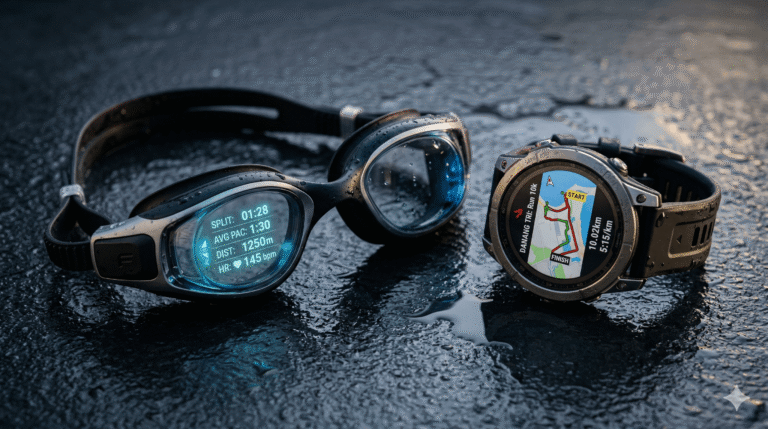
- The Execution: You must swim the second 500 meters significantly faster than the first 500 meters. Use a GPS smartwatch or rely on the top swim apps of 2026 to track your pacing. Focus on lengthening your stroke and maintaining a high elbow catch as fatigue sets in.
Join the Free 7-Day “Chlorinated Champ” Masterclass
Reading about these workouts is only step one. To truly dominate the open water, you need consistent, daily accountability and expert insights delivered directly to your inbox.
Are you ready to stop surviving the swim and start attacking it? Join thousands of other triathletes and wild swimmers in our exclusive Free 7-Day Open Water Masterclass.
When you sign up for our weekly newsletter today, you will receive:
- Day 1-3: Deep-dive mechanics on the open water freestyle pull and how to drastically reduce your hydrodynamic drag.
- Day 4-5: The ultimate psychological blueprint to conquer pre-race nerves and use adrenaline to fuel your speed.
- Day 6-7: Exclusive access to our printable, waterproof workout logbooks and dryland strength routines.
[Insert Your Email Newsletter Opt-In Form Here – e.g., Mailchimp or ConvertKit Shortcode]
Enter your email above and let’s get to work. Faster swimming is just one click away.
How often should I practice open water swim workouts?
For most triathletes, replacing one or two indoor pool sessions with dedicated open water swim workouts per week is ideal. This allows you to build the specific muscular endurance needed for currents while maintaining the controlled technical work of the pool.
Can I simulate open water workouts in an indoor pool?
Yes. You can simulate the chaos of a mass start by swimming three-wide in a single lane with your training partners, or practice sighting by looking at a water bottle at the end of the lane instead of using the black line on the bottom of the pool.
What is the best way to pace a long-distance open water swim?
The key is negative splitting. Start the first 25% of your race at a comfortable, aerobic pace to control your heart rate and prevent adrenaline burnout. Gradually increase your stroke rate and effort during the second half of the swim.
Why do I get so exhausted during the first 500 meters of a race?
This is a classic combination of pre-race nerves, cold shock, and sprinting too hard off the starting line. Your heart rate spikes into the anaerobic zone immediately. Proper warm-ups and structured pacing workouts will completely eliminate this issue.
Disclaimer: OpenWaterGoggles.com is a member of the Amazon Associates program and earns from qualifying purchases. When you purchase new swim gear through our carefully selected links, we earn a commission at no additional cost to you.