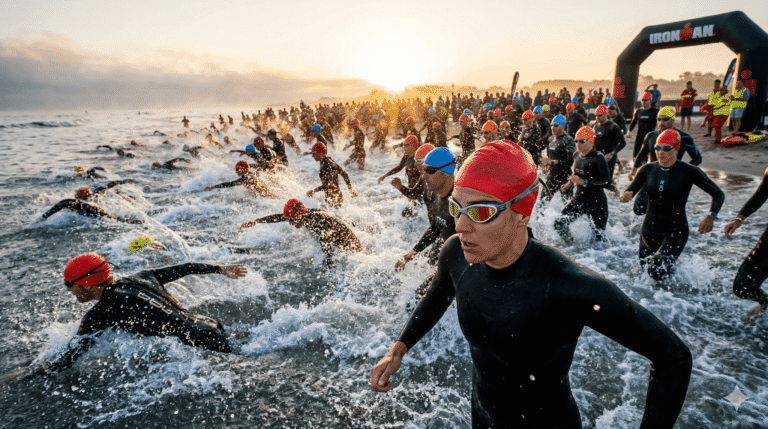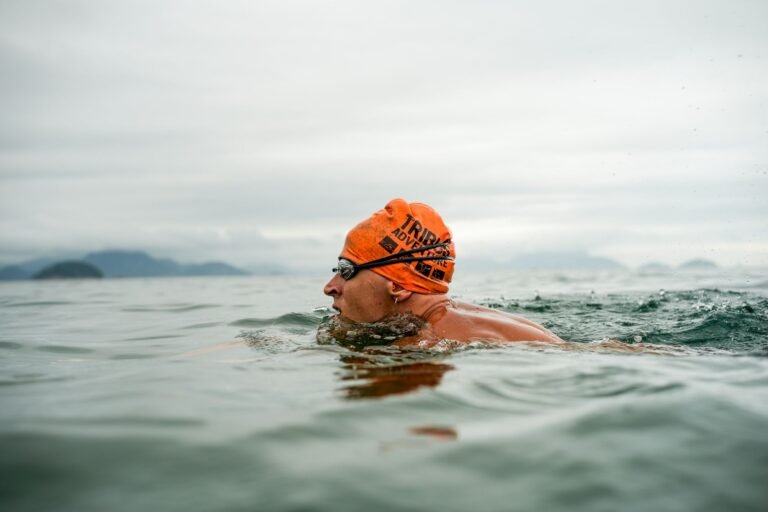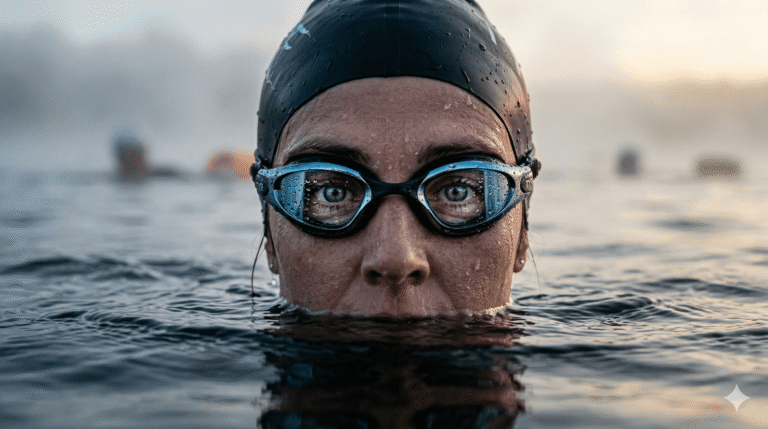
Standing on the edge of a freezing lake at 6:00 AM before a massive triathlon can completely derail your mindset. As we often discuss when addressing pre-race nerves, cold water induces an involuntary shock response [2]. According to the Outdoor Swimming Society, if you plunge into waters below 60°F without proper thermal protection, you run an immediate, life-threatening risk of hypothermia [1]. Your body will pull blood away from your extremities, your stroke rate will plummet, and panic will set in.
This is why your triathlon wetsuit is arguably the most critical—and most expensive—piece of equipment in your gear bag. It is not just about staying warm; it is a vital safety device and a massive performance enhancer. By utilizing highly engineered, buoyant neoprene, a premium wetsuit lifts your sinking hips to the surface, drastically reduces hydrodynamic drag, and effectively gives you “free speed” in the water.
However, navigating the wetsuit market is incredibly intimidating. Buying a suit that restricts your shoulders will destroy your freestyle pull mechanics [3]. Buying a suit that is too loose will act like a giant, water-filled parachute. In this definitive 2026 gear guide, the experts at OpenWaterGoggles.com have rigorously tested the industry’s top neoprene armor. Here are the 5 best triathlon wetsuits for open water swimming to help you conquer the cold and smash your personal records.
1. Best Overall for Buoyancy: Synergy Endorphin Full Sleeve
If you want elite-tier performance without paying the terrifying prices of professional-sponsored gear, the Synergy Endorphin is the undisputed king of the age-group triathlon world.
Why It Dominates:
The Endorphin utilizes Yamamoto #39 Neoprene, widely considered the most buoyant and flexible rubber on the market. It features a brilliant 5/3mm thickness profile. The core and legs are made of 5mm thick neoprene, which aggressively lifts your hips and stops your legs from sinking (a lifesaver for runners and cyclists who have “heavy legs”). The shoulders, however, thin out to 3mm, providing exceptional rotational mobility.
The Transition Hack:
It features an anti-friction neck seal to prevent painful chafing during long saltwater swims, and the quick-release ankle panels allow you to rip the suit off in seconds during T1 (Transition 1).
2. Best Budget Entry-Level: XTERRA Volt Triathlon Wetsuit
If this is your first Ironman 70.3 or sprint triathlon, you might not be ready to drop $500 on a suit. The XTERRA Volt proves that you can get safe, fast, and buoyant protection on a strict budget.
Why It Dominates:
XTERRA is a powerhouse in the beginner and intermediate triathlon space. The Volt features a 3/2mm construction. While it does not offer the massive 5mm lift of the Synergy, the 3mm body still provides excellent flotation and thermal protection for standard race conditions.
The Comfort Factor:
The interior is lined with X-MAX Seam-Seal technology, which makes the inside of the suit surprisingly smooth against bare skin. Pair this with a high-quality set of neoprene swim socks, and you have an incredibly capable cold-water setup.
3. Best Sleeveless (For Warm Waters): Zone3 Vision Sleeveless
If you are racing in the late summer, or if you simply cannot stand the feeling of rubber pulling against your shoulders during the recovery phase of your stroke, a sleeveless wetsuit (often called a Long John) is your ultimate weapon.
Why It Dominates:
Zone3 is a premium British brand that knows exactly how to build fast gear. The Vision Sleeveless gives you the massive 5mm buoyancy lift in the hips and thighs, completely fixing your body position, but leaves your arms 100% exposed. This allows for a completely natural, unrestricted freestyle stroke.
The Safety Edge:
Because you do not have sleeves, it is significantly easier to get out of this suit in transition. We highly recommend pairing a sleeveless suit with premium open water swimming goggles and high-visibility accessories, as you will not have neon arm panels to make you visible to boats.
4. Best Premium / Elite Performance: TYR Hurricane Cat 2
When you are trying to qualify for the World Championships in Kona, every single second matters. The TYR Hurricane line is built for athletes who demand zero compromises.
Why It Dominates:
The Hurricane Category 2 uses 39-cell Yamamoto Nano SCS (Super Composite Skin) neoprene. This microscopic coating actively repels water, dropping your drag coefficient to practically zero. You glide through the ocean like a torpedo.
The Tech:
TYR incorporates “Elevation Panels” in the chest and core, locking your posture into an aggressive, downhill swimming position. The wrist cuffs are uniquely engineered with form-fitting stretch zones that prevent water from shooting up your sleeve during the catch phase. It is an absolute masterpiece of aquatic engineering.
5. Best For High Visibility: Orca Equip Hi-Vis
As we constantly reiterate at OpenWaterGoggles.com, surviving the open water requires you to be seen. A solid black wetsuit is essentially camouflage in a dark lake.
Why It Dominates:
Orca specifically designed the Equip Hi-Vis for wild swimmers who prioritize safety without sacrificing speed. The forearms, shoulders, and calves feature blazing neon orange panels. Whether you are swimming at dawn or caught in the fog, boaters and safety kayaks will spot you from half a mile away.
The Flexibility:
The Equip series focuses heavily on shoulder mobility, utilizing 1.5mm panels in the upper body to ensure you do not fatigue early during a 10-kilometer marathon swim.
The Final Verdict: Suit Up and Dominate
Do not let the cold water defeat you before the starting gun even fires. Investing in a dedicated triathlon wetsuit is the single greatest performance upgrade you can make for your swim.
If you want the best all-around buoyancy and value, buy the Synergy Endorphin. If you hate restricted shoulders, go for the Zone3 Sleeveless. Once your suit arrives, practice putting it on using plastic bags over your feet (a classic triathlete trick to slide through the tight neoprene), grab your GPS swim watch, and go conquer the wild water.
What is the difference between a surfing wetsuit and a triathlon wetsuit?
A surfing wetsuit is built for rugged durability to withstand rubbing against a surfboard, making the neoprene stiff and restrictive. A triathlon wetsuit is engineered for hydrodynamics and maximum shoulder mobility. It features varied thickness (e.g., 5mm in the legs for buoyancy, 1.5mm in the shoulders for a flexible freestyle pull).
Should I buy a sleeveless or full-sleeve wetsuit?
Full-sleeve wetsuits are inherently faster because the slick neoprene reduces drag across your entire arm, and they provide maximum thermal protection. However, if you are swimming in waters above 68°F (20°C) or if you have extremely broad shoulders that feel restricted in sleeves, a sleeveless (John-style) wetsuit is the better choice.
How tight should my triathlon wetsuit fit?
It should feel uncomfortably tight when you put it on dry land. It should take you 5 to 10 minutes to slowly pull it up. Once you get into the water, a microscopic layer of water enters the suit, and the neoprene expands slightly, molding perfectly to your body. If it feels loose on land, it will balloon up with water in the ocean and act like a parachute.
Do wetsuits actually make you swim faster?
Absolutely. Wetsuits provide massive artificial buoyancy, lifting your hips and legs to the surface. This perfectly horizontal body position eliminates the drag caused by sinking legs, saving immense amounts of energy and typically shaving 5 to 10 seconds off your pace per 100 meters.
Disclaimer: OpenWaterGoggles.com is a member of the Amazon Associates program and earns from qualifying purchases. When you purchase new swim gear through our links, we earn a commission at no additional cost to you.