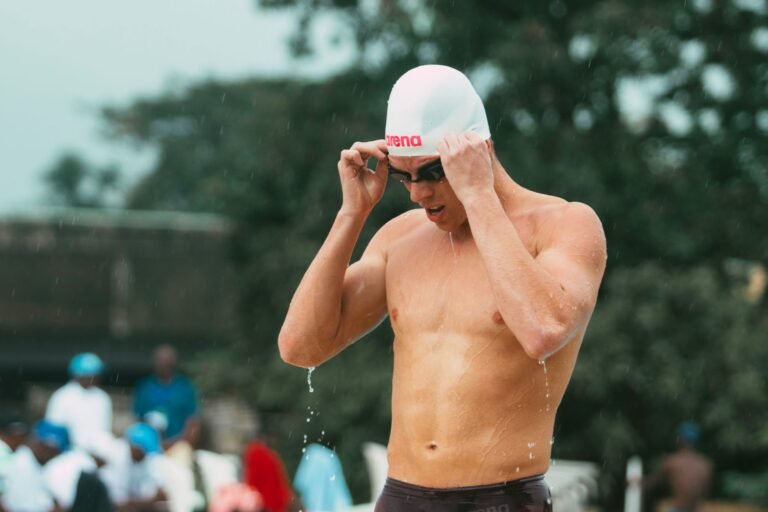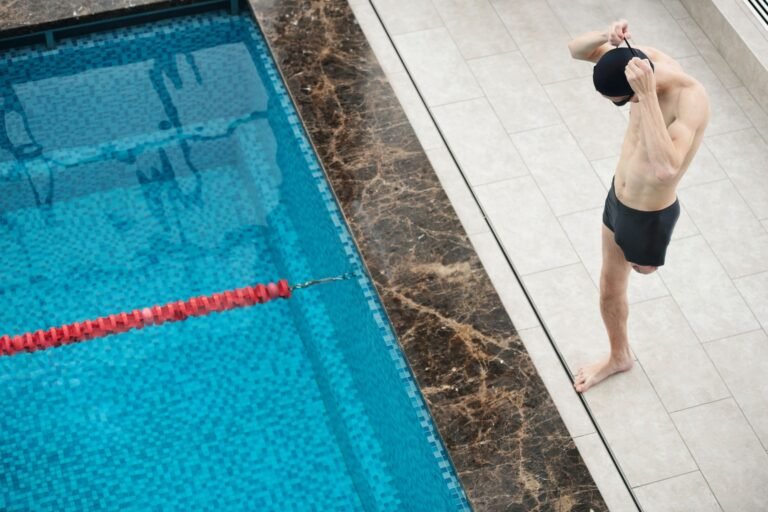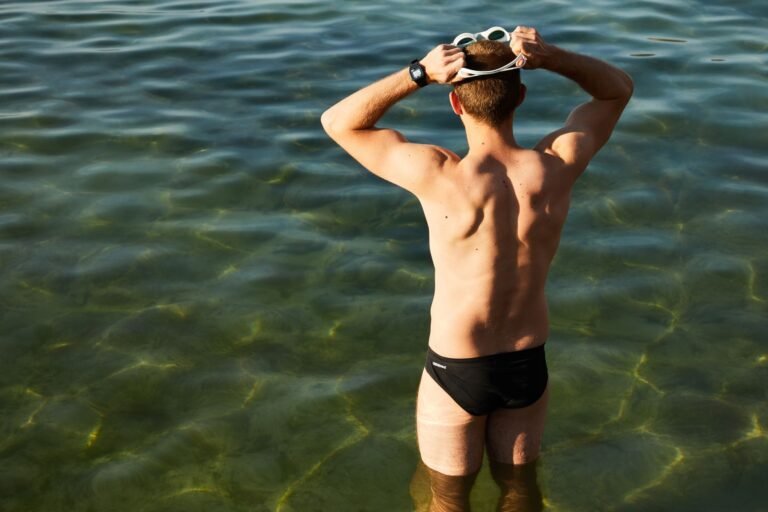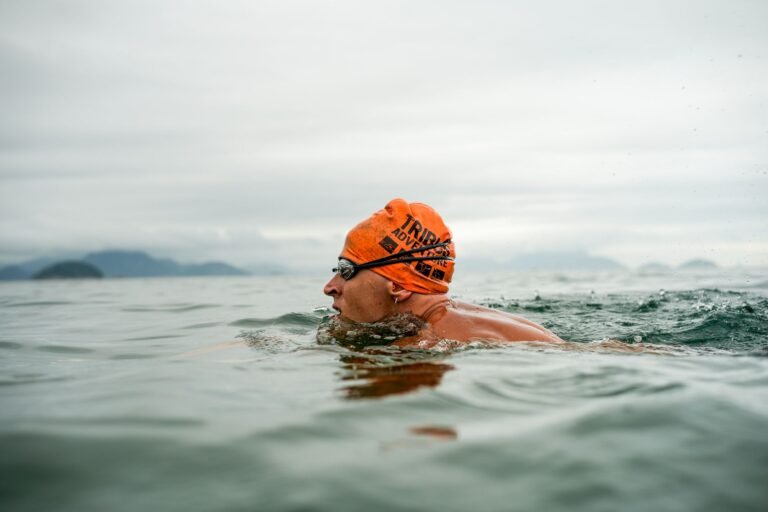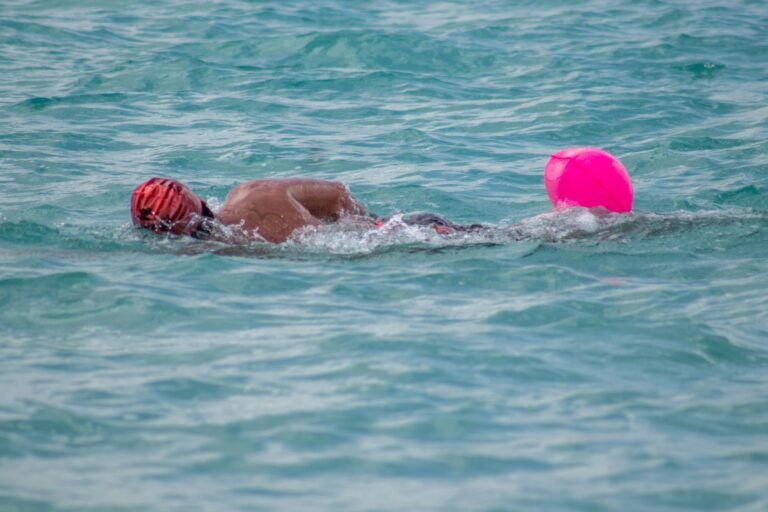
The 10 minutes that decide whether your goggles disappear from your mind
Good race goggles do not feel dramatic on the start line. They feel boring. No last-second rubbing. No nervous strap pulling. No wondering whether the first wave will fill your lenses with water. Just a quiet routine you have done before.
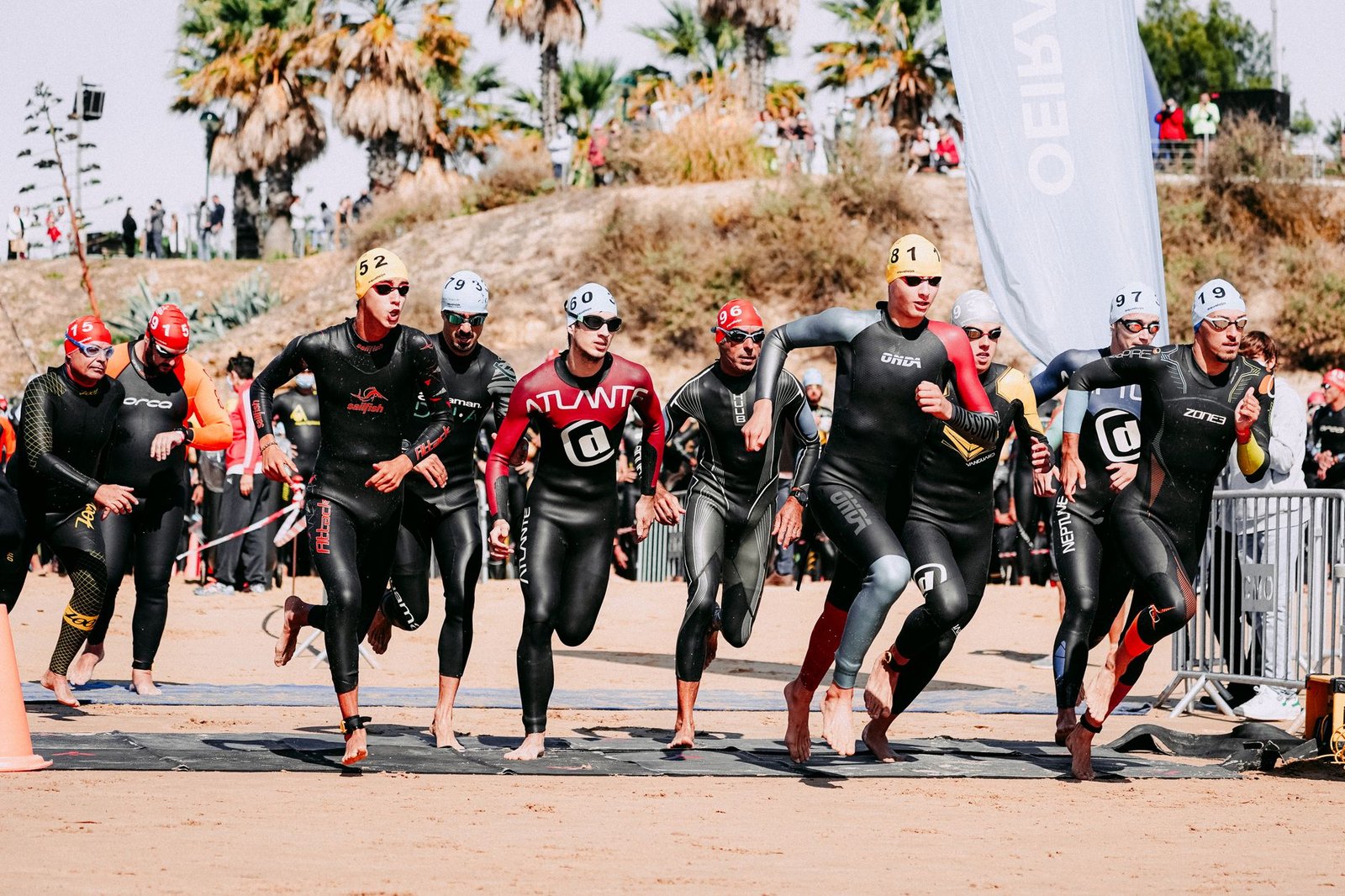
The short version
A strong race-morning goggle routine is simple: keep the lens clean, apply anti-fog only if you trust it, confirm the seal without over-tightening, check the actual light toward the first buoy, place your backup pair where you can actually find it, and stop touching the inside of the lenses once the routine is done.
This is not a full packing checklist. It is the small sequence you run at the venue, when the announcer is talking, other athletes are squeezing into wetsuits, and your hands are just shaky enough to make bad decisions feel reasonable.
If you want the bigger pre-race gear list, use our open water goggles checklist before race day. This guide is about the final minutes before the swim.
Why goggles fail on race morning
Most race-morning goggle problems are not caused by a bad pair of goggles. They happen because the swimmer changes the routine under pressure. You rub the lens because there is a tiny smudge. You tighten the strap because the start looks rough. You apply too much anti-fog because you are afraid of fog. You switch lens color because the sun came out.
Nerves make you over-adjust
A strap that felt perfect in training suddenly feels suspicious on the beach. One extra pull can deform the gasket and create the leak you were trying to prevent.
Sunscreen and wet hands break seals
Slick fingers, face sunscreen and hurried cap adjustments can leave residue exactly where the gasket needs clean contact.
Light changes faster than your plan
A lens that looked perfect in the hotel room can feel too dark at a cloudy lake start or too bright when low sun hits the first buoy.
Night-before prep vs race-morning decisions
Do not ask race morning to do everything. Race morning should confirm your plan, not invent it. Big decisions belong the night before; small confirmations happen at the water.
| Do the night before | Confirm on race morning | Why it matters |
|---|---|---|
| Pack primary goggles and backup goggles in a case | Make sure both pairs are physically in your bag | The most common backup-pair mistake is owning one but not having it at the start. |
| Choose your likely lens based on forecast and start time | Look toward the actual first buoy and sun angle | Cloud cover, glare and haze can make the forecast feel wrong. |
| Clean the lenses gently and let them dry | Avoid rubbing the inside of the lenses | The anti-fog layer is easy to damage when you are rushed. |
| Check straps, nose bridge and gasket condition | Do one calm face-fit test | You need confirmation, not a full mechanical rebuild on the beach. |
The 10-minute race-morning goggle routine
Start this routine before the start corral becomes noisy. The point is to finish early enough that you are not still fiddling with goggles while everyone else is walking into the water.
- T-minus 10: Step away from the crowd for one minute. Open your case, take out only the pair you plan to wear, and put the backup pair back in the same pocket every time.
- T-minus 9: Inspect the inside lens without touching it. Look for sand, towel lint, dried salt, or water spots. If the inside looks clean, leave it alone.
- T-minus 8: Apply anti-fog only if it is part of your practiced routine. Use less than you think, spread gently if required, and do not turn this into a lens-polishing session.
- T-minus 7: Rinse lightly if your anti-fog routine requires it. Shake excess water out. Do not wipe the inside dry with a towel, shirt, thumb or swim cap.
- T-minus 6: Put your cap on and set the strap position. For many triathletes, strap under cap is calmer for crowded starts; strap over cap is easier to adjust in training. Use what you practiced.
- T-minus 5: Press the goggles gently into place and let the gasket settle. The seal should feel even around both eyes, not painfully dug into the eye socket.
- T-minus 4: Look toward the first buoy, not at the ground. Confirm that the lens tint works in the actual light. If you cannot see the buoy clearly now, the water will not magically improve it.
- T-minus 3: Do one movement test: turn your head left and right, look forward as if sighting, and make sure the gasket does not lift when your face moves.
- T-minus 2: Stop adjusting. Put hands down. Let the seal sit. Constant touching is how a good fit becomes a crooked fit.
- T-minus 1: Decide your first sighting rhythm. The first minute of the swim should be about calm direction, not chasing feet blindly.
The first 60 seconds in the water
The routine does not end when the horn goes. The first minute is where swimmers often ruin a good setup by reacting too hard to one splash, one drip, or one foggy patch.
If you feel a small drip
Do not immediately stop and crank the strap tighter. Keep swimming for a few strokes and feel whether the leak is continuing. A single splash under the gasket is not the same as a failed seal.
If the lens starts to haze
Stay calm and sight with smaller, more frequent looks. If you need to clear the lens, wait for space or a safe moment instead of stopping in the middle of the pack.
For a deeper scenario guide, pair this routine with how to stop swim goggles fogging in open water and how to sight without losing rhythm.
Adjust the routine by race condition
The steps stay the same, but the emphasis changes depending on the water and start conditions.
| Race condition | What to emphasize | What to avoid |
|---|---|---|
| Cold morning | Warm the gasket with your hands and expect face numbness to make the seal feel strange at first. | Do not keep tightening because your skin feels less sensitive. |
| Saltwater swim | Keep sunscreen away from the gasket line and rinse salt off after the race. | Do not wipe the inside lens with salty fingers. |
| Low sun start | Look toward the first buoy before committing to your lens choice. | Do not assume mirrored lenses are always best if the course turns into shade. |
| Mass start | Prioritize stable fit and strap security over perfect comfort. | Do not wear untested new goggles because they look faster. |
| Murky lake | Use a lens that keeps contrast and lets you see shapes quickly. | Do not choose a lens so dark that sighting becomes guesswork. |
Small pieces of gear that make the routine easier
This routine works with any reliable pair of goggles, but a few small items reduce race-morning chaos. The goal is not more gear for the sake of gear. The goal is fewer reasons to improvise.
A hard or semi-hard goggle case
A case keeps lenses from getting scratched in a transition bag full of bottles, tools, gels and sunscreen.
A trusted anti-fog option
Use the anti-fog method you practiced in training. Race morning is not the time to try a new spray for the first time.
A backup pair you actually like
Your backup should be a real swim option, not an old pair with a stretched strap and a lens you already distrust.
Mistakes that turn a calm routine into a problem
- Rubbing the inside lens with a towel. It feels helpful for three seconds and can ruin the anti-fog coating for the next thirty minutes.
- Using too much anti-fog. More product does not always mean clearer vision. It can leave streaks that are worse than mild haze.
- Switching to new goggles at the start. A new seal, nose bridge or strap feel can surprise you exactly when you need boring reliability.
- Putting sunscreen too close to the gasket line. Protect your skin, but keep the area where the gasket sits as clean as possible.
- Making the strap painfully tight. Tight goggles can still leak if the gasket is distorted. Even pressure beats panic pressure.
- Burying the backup pair. If your spare goggles are under a wetsuit bag, shoes and nutrition, you do not really have a backup.
Three simple race-morning scripts
Use these as starting points, then adapt them to your own gear and race format.
Calm lake swim
Use the lens that gives the clearest buoy view. Keep anti-fog light. Start with a relaxed seal and a sighting rhythm around every 8-10 strokes if you naturally swim straight.
Ocean or choppy swim
Prioritize a stable seal and a lens that handles glare. Confirm the strap under or over cap before entering the corral. Sight more often early because some looks will be blocked by chop.
Triathlon mass start
Keep the first minute conservative. Let the goggles settle, protect your space, and avoid making adjustments while bodies are still compressing around you.