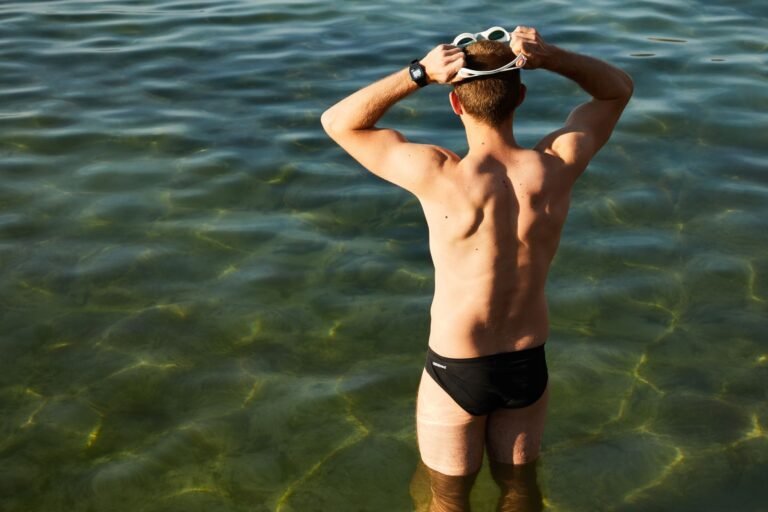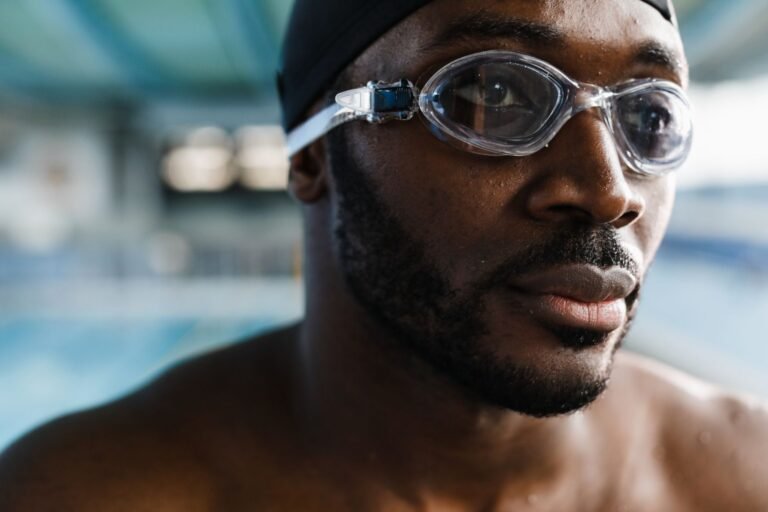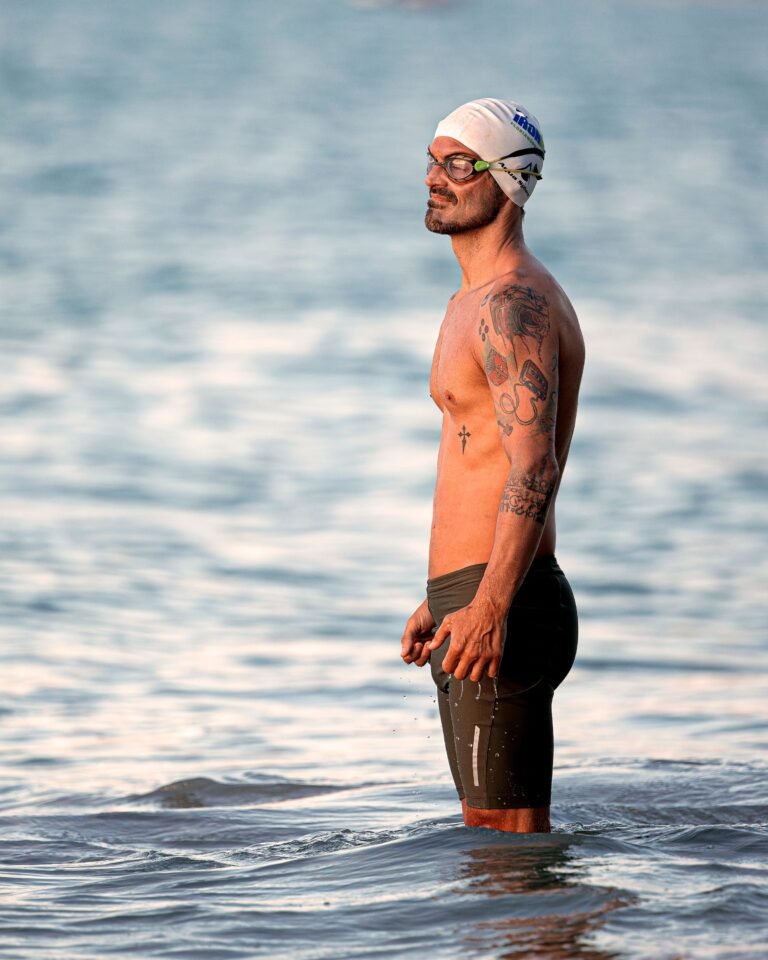
Do not find out your goggles are wrong after the first buoy
A pair of goggles can feel fine while you stand in the parking lot, then fail the moment you push off into chop, lift your head to sight, or tuck the strap under a swim cap. This 10-minute test is designed for the real mess of open water: cold skin, sunscreen, cap pressure, glare, breathing, and the small head movements that reveal a bad seal.
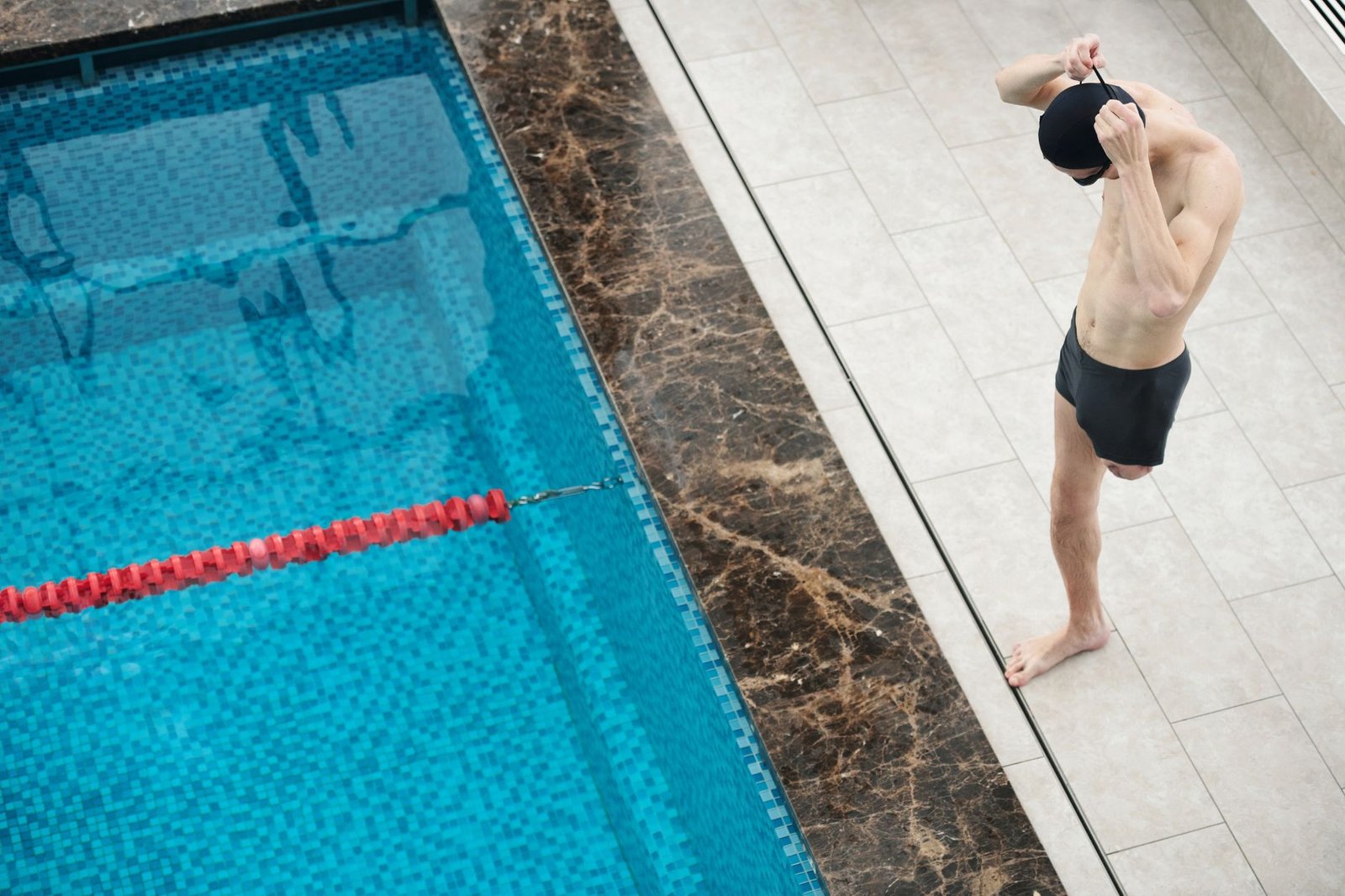
The quick answer
Before open water, test your goggles in five ways: dry seal, strap tension, cap setup, sighting movement and lens visibility. A good pair should seal lightly without painful pressure, stay stable when you look forward to sight, work with your swim cap, and let you read the water conditions you will actually swim in.
The goal is not to make the goggles feel locked onto your face. The goal is to make them feel boring. No sharp pressure. No tiny leak at the nose bridge. No strap sliding down your cap. No lens so dark that the buoy disappears when a cloud moves across the sun.
Why pool-fit logic breaks down in open water
In a pool, the wall is always there. The light is predictable. You rarely lift your head high to sight, and you can stop at the lane rope if something feels wrong. Open water removes all of that comfort.
Your goggles have to stay calm while you rotate to breathe, raise your eyes toward a buoy, get brushed by another swimmer, and deal with small waves hitting the lens at odd angles. A fit that feels acceptable for ten laps in a pool may become irritating or unstable after five minutes in a lake or ocean.
The 10-minute open-water goggle fit test
Use this before a new swim location, a race, or any time you are changing goggles, cap setup, sunscreen, or lens tint.
- Press, release, and feel the dry seal. Place the goggles on your face without the strap. Press gently, then let go. They do not need to suction like a mask, but they should sit evenly without one corner lifting immediately.
- Check the nose bridge first. Many leaks start near the inner eye or nose bridge. If one side gaps before the strap is even on, tightening the strap will usually create pressure without solving the leak.
- Add the strap lightly. Start looser than you think. The frame should stay in place without pulling your eye sockets backward.
- Put on your swim cap setup. Test the goggles exactly how you swim: strap over cap, under cap, or double-cap for triathlon. Do not assume the fit is the same.
- Move your head like you are sighting. Look forward, down, left and right. If the seal breaks when you lift your eyes, the goggles may fail every time you check the buoy.
- Simulate breathing rotation. Turn your head to your normal breathing side. If one gasket edge peels away, note whether it happens on the same side each time.
- Check pressure after three minutes. Mild pressure is normal. Sharp pain, eyebrow pressure, or a headache feeling means the fit is not race-friendly.
- Look toward the actual light. Face the direction you will swim if possible. Lens choice is part of fit because poor visibility makes you lift your head more often and break rhythm.
What a good fit should feel like
A reliable open-water fit feels secure but not dramatic. You should be aware of the goggles for the first minute, then forget about them. If they feel like a device you need to constantly monitor, they are not ready for a long swim.
Even contact
The gasket touches evenly around both eyes. There is no obvious hard point at the nose bridge or outer corner.
Light strap tension
The strap keeps the frame stable, but the seal does most of the work. Your face should not feel squeezed.
Stable sighting
The goggles stay sealed when you lift your eyes forward. Sighting should not feel like you are risking a leak each time.
Fit signals you should not ignore
| What you notice | Likely cause | What to try before replacing them | When to move on |
|---|---|---|---|
| Leak near the nose bridge | Bridge width or gasket shape does not match your face | Try a different nose bridge if available; reset the frame lower or higher | If the same gap appears without the strap, choose a different model |
| Pain around the eye socket | Strap too tight or gasket too narrow/hard | Loosen the strap and check whether the seal still holds | If comfort disappears after a few minutes, do not race in them |
| Seal breaks when sighting | Frame shifts when your forehead lifts | Adjust strap angle and cap position; test a lower-profile sighting motion | If every forward look breaks the seal, they are poor open-water goggles for you |
| Strap slides down the cap | Cap surface, strap angle or hair position is changing tension | Try strap under cap or split the strap slightly higher/lower | If the frame moves every few strokes, use a different setup |
| Lens feels too dark | Wrong tint for low light, clouds, murky water or shaded start | Face the swim direction and compare with a clearer backup pair | If you cannot identify landmarks quickly, save them for brighter days |
Test with your cap, sunscreen and race routine
Goggles rarely fail in isolation. They fail because the full setup changes: cap edge pushes the strap, sunscreen reduces grip, anti-fog residue gets touched, or cold water makes the gasket feel stiffer than it did at home.
For a deeper look at cap setup, read whether open-water goggles should go over or under your swim cap.
The sighting test most swimmers skip
This is the test that separates pool goggles from open-water goggles. Put the goggles on, then mimic your actual sighting motion: eyes forward, small lift, return to neutral. Do this six times without adjusting the frame.
If the goggles shift a little more each time, they may feel fine while standing but become annoying once you are swimming toward a buoy. If the seal only breaks when you lift too high, the problem may be your sighting technique rather than the goggles. If the seal breaks even with a small lift, the fit is not stable enough.
Pair this with the technique guide on how to sight in open water without losing rhythm.
Lens visibility is part of the fit test
A technically perfect seal can still be the wrong choice if the lens makes you work too hard to see. In open water, visibility affects body position. If you cannot see the buoy clearly, you lift your head higher, pause longer and break rhythm. That extra motion can create the leak you thought was a gasket problem.
- For low light: test whether clear, amber or light smoke gives you enough contrast without making the water feel flat.
- For bright sun: check whether mirrored, smoke or polarized lenses reduce glare without hiding darker buoys.
- For murky water: avoid judging visibility only by the sky. Look toward the water surface and shoreline landmarks too.
- For races: carry a backup lens option if the weather can change between warm-up and start time.
Good companion guides: the open-water lens color guide, clear vs smoke vs mirrored goggles, and how weather changes your goggle choice.
When the test says the goggles are not right
There is no prize for forcing a bad fit. If a pair leaks in the same place after several careful adjustments, that is useful information. It means your face and that frame shape are not a good match.
Before giving up, try the reasonable fixes: swap the nose bridge if the model allows it, reset strap angle, test with cap position, clean the gasket and remove sunscreen from the seal area. But if the same problem keeps returning, choose a different gasket shape rather than tightening until your face hurts.
Pre-swim checklist
- The gasket sits evenly without a visible gap at the nose bridge.
- The strap is snug, not tight enough to create sharp pressure.
- The goggles stay sealed when you look forward to sight.
- The cap setup does not pull the strap down or twist the frame.
- The lens tint matches the actual light and water conditions.
- You have a backup pair if this is a race, long swim or unfamiliar course.
- You can put them on without touching the inside of the lens after anti-fog prep.
Related guides
Not sure which swim goggles are right for you?
Answer a few quick questions about where you swim, your face fit, lens needs, and comfort priorities.