Affiliate disclosure: This article may contain affiliate links. As an Amazon Associate, OpenWaterGoggles.com may earn from qualifying purchases at no extra cost to you.
Cold water changes what you need from swim goggles. Lower water temperatures, darker skies, shorter days and bigger temperature differences between your face and the lens can all make visibility harder. The best cold water swim goggles are not simply the darkest or most expensive pair. They need to give you a secure seal, enough light for safe sighting, comfortable pressure around the eyes and anti-fog performance that holds up when the air and water are cold.
If you swim through autumn, winter or the early spring season, the right setup can make a cold session feel calmer and more controlled. This guide explains how to choose lenses, fit and goggle style for colder open water without overcomplicating your kit.
What Makes Cold Water Swim Goggles Different?
There is no special goggle material that keeps your eyes warm in the same way a neoprene cap protects your head. The difference is mainly about visibility, seal stability and fog management.
Cold water can amplify problems that are only mildly annoying in summer. A small leak feels more distracting. A dark lens can make an overcast lake look almost black. Fog can appear quickly when warm, humid air inside the eye cup meets a much colder lens surface. And if you are wearing a thicker cap or hood, strap position can change enough to affect the seal.
Cold-water safety also matters beyond goggles. The National Center for Cold Water Safety advises treating water below 70°F / 21°C with caution because cold exposure can affect breathing and swimming ability. Goggles improve vision, but they do not protect you from cold shock or hypothermia. Match your swim duration and thermal protection to the actual conditions, and use our cold-water swimming gear guide if you are building a colder-season setup.
Best Lens Colors for Cold Water Swim Goggles
For most cold-season swimmers, lens choice is more important than frame color. Autumn and winter sessions often happen under flat cloud, low sun or early-morning light. That usually means you need to preserve more usable light than you would on a bright midsummer swim.
Clear lenses: best for very low light
Clear lenses are the safest choice when conditions are genuinely dim: pre-sunrise starts, heavy cloud, shaded lakes or evening swims. They transmit the most light and make it easier to read buoys, shoreline features and other swimmers.
The downside is glare. If the sun breaks through low on the horizon, a clear lens gives you almost no relief from reflection on the water. That is why clear goggles are excellent in predictably dark conditions but less versatile when weather changes quickly.
Light amber, rose or lightly tinted lenses: best all-round cold-weather choice
A light tint can be a strong middle ground. It reduces harsh brightness without making an already-dark swim feel gloomy. Amber or warm-toned lenses can also increase perceived contrast for some swimmers, which may help when grey sky and grey water make buoys harder to separate from the background.
If your winter swims happen after sunrise but still under cloud, a light tint is often easier to live with than a full smoke or mirrored lens.
Photochromic lenses: best for changing winter light
Photochromic lenses are particularly useful when a swim begins in low light and brightens later. They adapt their tint as ambient light changes, so you do not have to choose between a clear lens for the start and a darker lens for the finish.
The Aqua Sphere Kayenne Pro Photochromatic is a strong wide-view option for swimmers who want comfort and changing-light flexibility. The Zoggs Predator Flex Titanium Reactor is another useful choice if you prefer a flexible frame with photochromic-style outdoor performance.
Polarized and mirrored lenses: use selectively
Polarized lenses are excellent for cutting glare on bright water, but they can be too dark for grey winter mornings. They make sense on clear, sunny cold-water days or when a low sun creates a strong reflection path across the surface. For dark cloud or dawn swims, they are often more lens than you need.
If you regularly switch between bright and dim sessions, our photochromic vs polarized swim goggles guide will help you decide which technology better matches your routine.
Why Cold Water Makes Goggles Fog Faster
Fog is condensation. Warm, moist air trapped inside the goggles meets the colder lens and forms tiny droplets. The greater the temperature difference, the easier that process can happen.
This is why a pair that stays clear during a warm pool session can suddenly fog during a cold lake swim. The issue is not always poor anti-fog coating. It can also be caused by a weak seal that lets small amounts of water in, sweat from pushing goggles onto your forehead, or residue from sunscreen and skin products.
For a full troubleshooting routine, see how to stop swim goggles fogging in open water. For cold-season use, the most important habits are simple:
- Rinse goggles in fresh water after every swim.
- Do not rub the inside of the lens with your fingers or towel.
- Let goggles air-dry before putting them into a closed case.
- Avoid resting goggles on a hot forehead during breaks.
- Fix leaks first; extra moisture inside the eye cup makes fogging harder to control.
Cold Water Swim Goggles Need a Reliable Seal
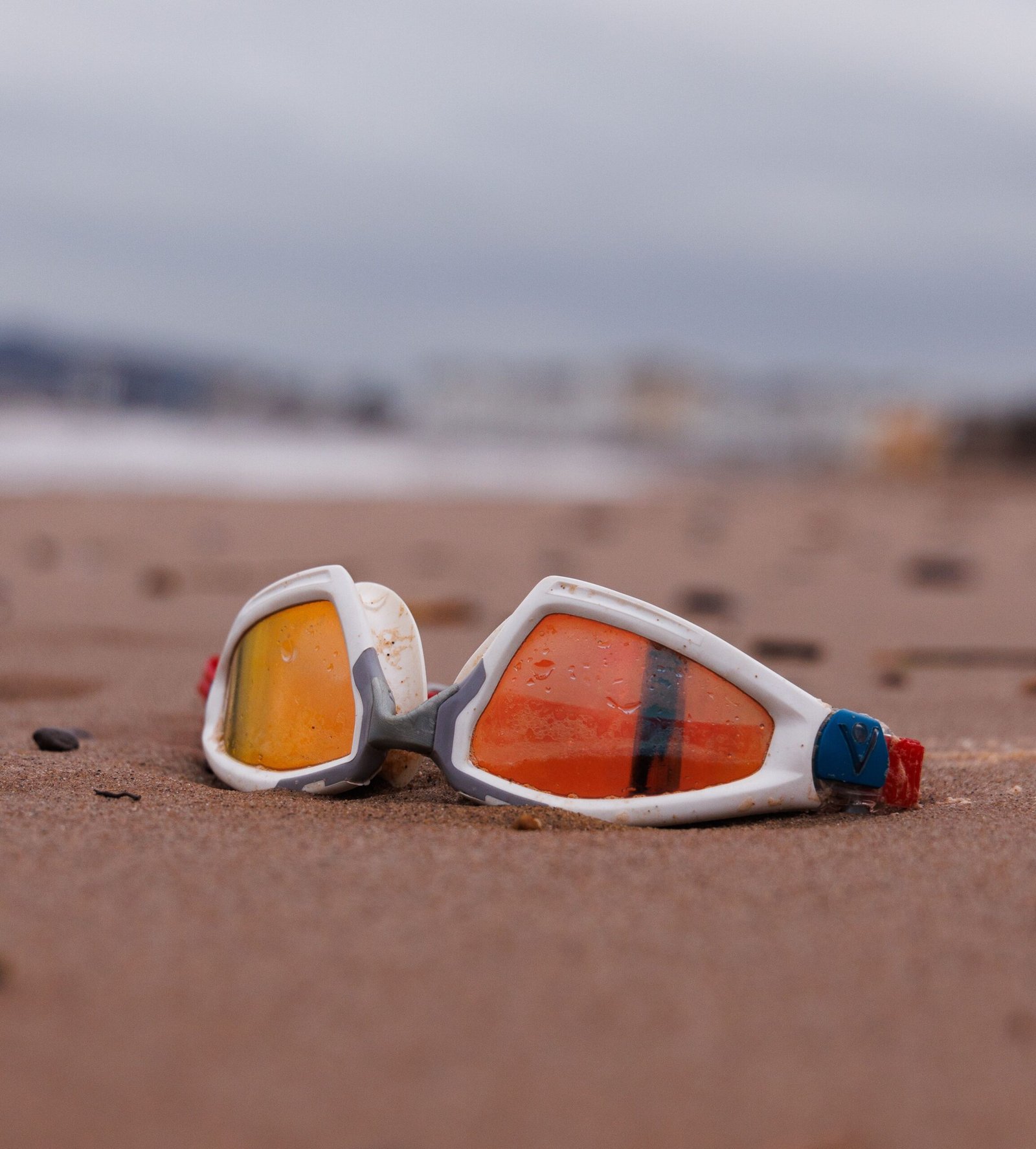
Cold hands make mid-swim adjustments unpleasant, so your goggles should seal before you enter the water. A secure seal also reduces flushing, fog and the distraction of cold water reaching the eye area.
Before a cold swim, press the goggles gently onto your face without the strap. They should hold briefly with light suction. Then position the strap and tighten only enough to stabilize the frame. Overtightening can distort soft gaskets and actually create leaks.
If you wear a neoprene cap or thicker winter hood, test the complete setup at home or in a pool. A hood can push the strap higher or change tension on the frame. Our guide to wearing goggles over or under a swim cap explains the trade-offs if you are changing your headwear for cold conditions.
Wide View or Low Profile for Winter Open Water?
For cold-water training, wide-view goggles often make more sense than very small pool racing goggles. Visibility can already be reduced by cloud, low sun and darker water. A wider lens gives you more peripheral information for sighting the shore, spotting a tow float or tracking your swim partner.
Low-profile goggles still have a place if you race year-round and value a compact fit. The key is to avoid choosing a tiny, dark racing lens simply because it looks fast. In winter, usable vision usually matters more than shaving a small amount of profile from the frame.
A Simple Cold-Water Lens Decision Guide
| Conditions | Best Lens Starting Point |
|---|---|
| Pre-sunrise or heavy cloud | Clear or very light tint |
| Grey daylight | Light amber, rose or smoke |
| Changing cloud and sun | Photochromic |
| Bright winter sun with strong glare | Polarized or mirrored |
| Long swim from dawn into daylight | Photochromic or light tint |
When in doubt, choose the lighter lens. You can manage a slightly bright lens more easily than a lens that is too dark to see the next buoy clearly.
Three Mistakes to Avoid in Cold Water
1. Tightening the strap too much
Cold conditions can make swimmers nervous about leaks, but over-tightening creates pressure and may distort the gasket. Fit the frame to your face first, then use the strap only for stability.
2. Choosing dark lenses because the sun might appear
Winter light is often inconsistent. If most of your swim will be cloudy, prioritize visibility for the dominant condition rather than the brightest five minutes of the session.
3. Treating anti-fog coating as permanent
Even good factory coatings wear down. Salt, chlorine, rubbing and residue all shorten their useful life. Protect the inside of the lens and replace goggles when clarity becomes unreliable enough to affect safety or navigation.
Final Verdict: Choosing Cold Water Swim Goggles
The best cold water swim goggles give you clear sighting, a stable seal and enough light for the conditions you actually swim in. For dark mornings, clear or lightly tinted lenses are usually safest. For mixed weather, photochromic lenses offer the most flexibility. Polarized or mirrored goggles are better reserved for bright cold days when glare is the real problem.
Fit matters just as much as lens technology. Test your goggles with the cap or hood you plan to wear, protect the anti-fog coating and avoid making the strap tighter than necessary. A comfortable, clear pair will do more for confidence in cold open water than a highly technical lens that is too dark or a race frame that never seals correctly.
Need help narrowing the options? Use the Open Water Goggles Finder to match your face shape, light conditions, swim location and biggest goggle problem to a more suitable pair.