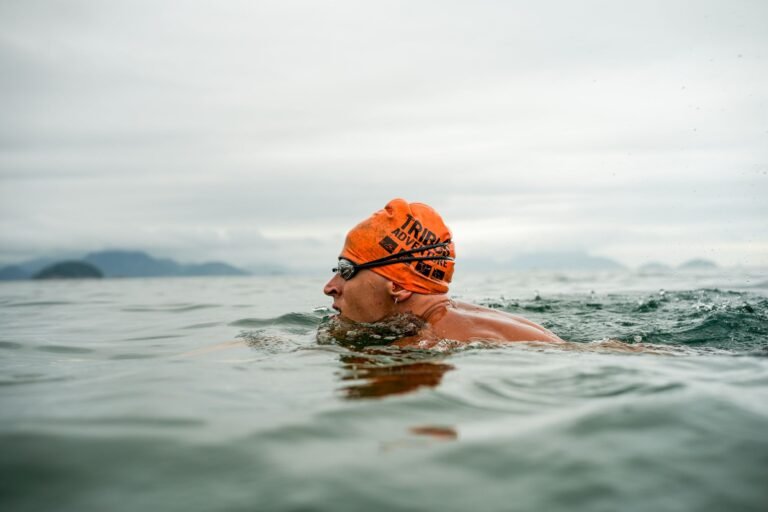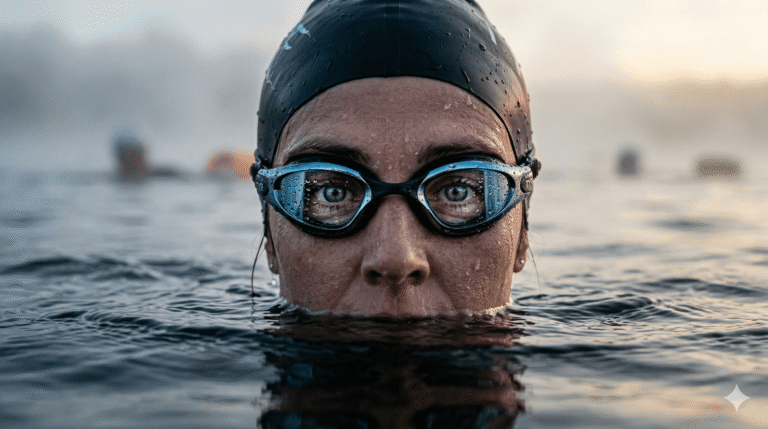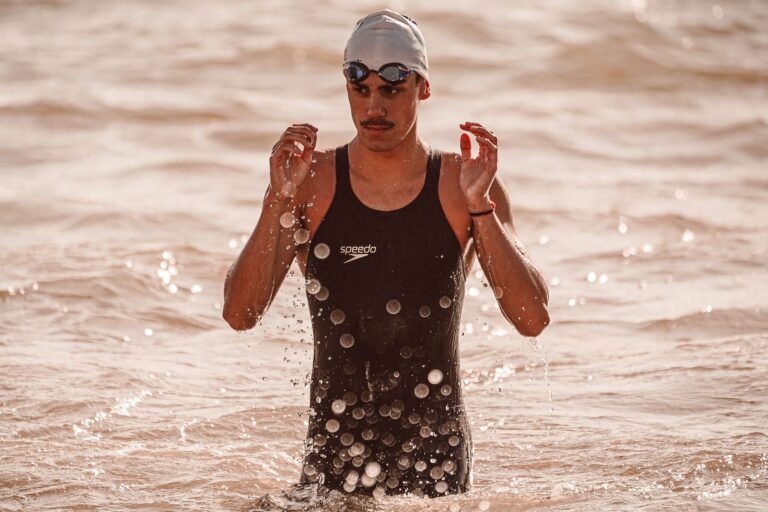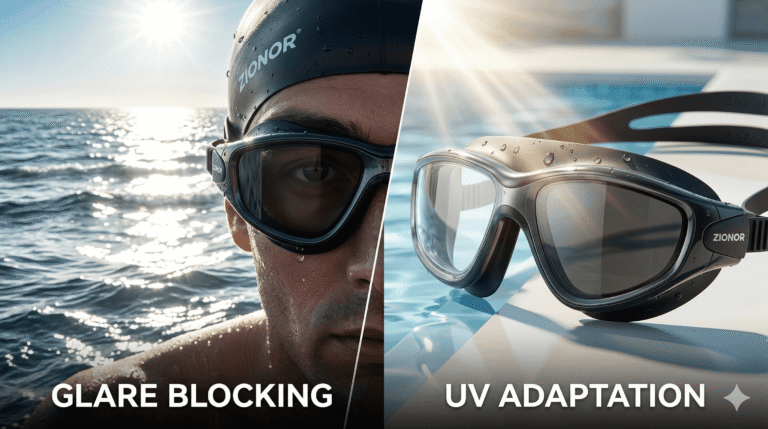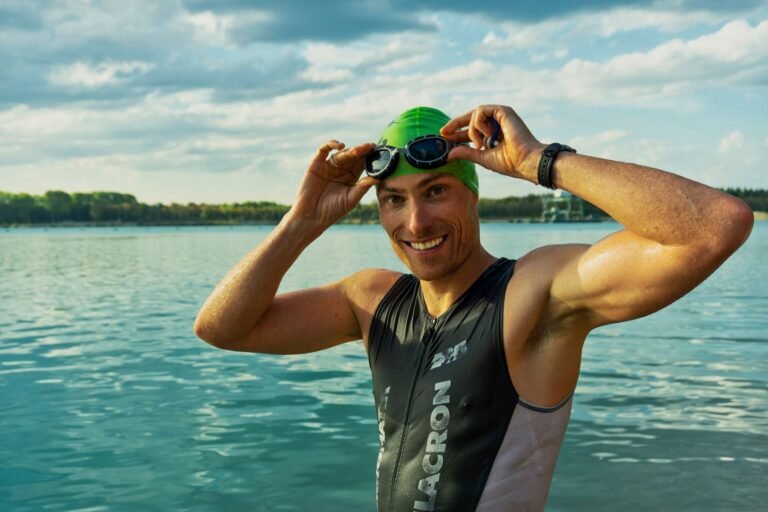
The best goggles for ocean swimming need to stay secure through chop and waves, reduce glare, give you enough visibility for sighting, and remain comfortable through long saltwater sessions.
This guide combines rough-water stability, wide-view sighting, saltwater care, and race-day lens choice to help you choose one pair for ocean training, beach swims, and triathlon.
Quick Picks: Best Goggles for Ocean Swimming
Zoggs Predator Flex Polarized
Balanced choice for rough water, glare control, comfort and long open-water sessions.
Aqua Sphere Kayenne Polarized
Best for sighting buoys, scanning waves and swimmers who prefer a more open field of view.
ZONE3 Venator-X Polarised
Triathlon-focused choice for swimmers who want a more race-oriented ocean setup.
TYR Special Ops 2.0 Polarized
Strong option for bright, reflective water when a secure sporty fit matters.
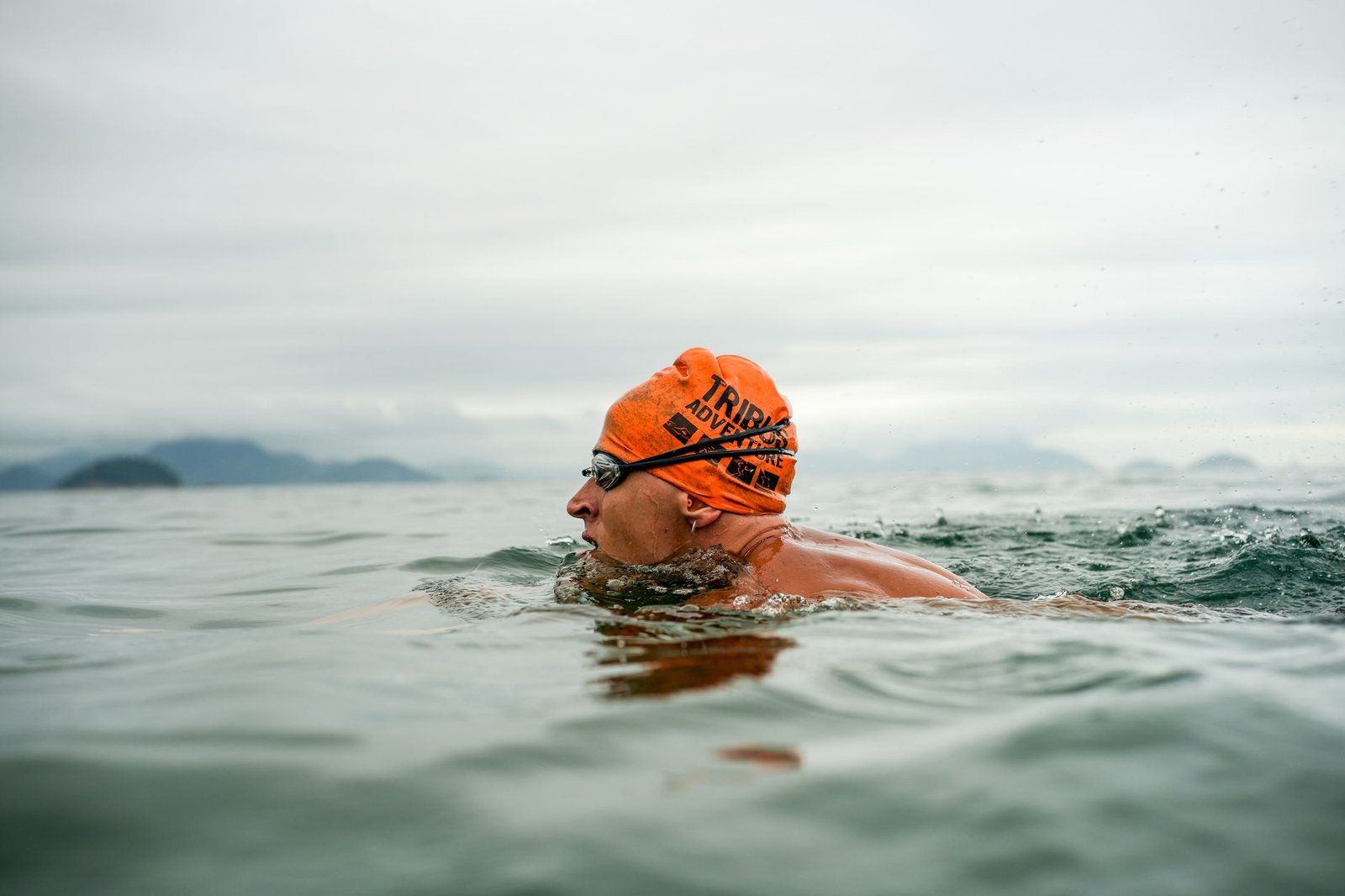
Quick Answer: What Are the Best Goggles for Ocean Swimming?
For most ocean swimmers, the best goggles combine a stable seal, wide enough vision for sighting, a lens suited to sun and glare, and enough comfort for long saltwater sessions. Zoggs Predator Flex Polarized is the best overall balance in this guide; Aqua Sphere Kayenne Polarized is the wide-view choice; ZONE3 Venator-X Polarised is the race-focused option; and TYR Special Ops 2.0 Polarized is the bright-water glare pick.
Comparison Table: Best Ocean Swimming Goggles
Compare each pair by ocean use, lens type, rough-water strength and the main tradeoff.
| Goggle | Best For | Lens | Ocean Strength | Watch Out For | Link |
|---|---|---|---|---|---|
| Zoggs Predator Flex Polarized | Best overall ocean swimming | Polarized | Flexible fit, glare reduction, long-swim comfort | Confirm lens tint suits race light | View on Amazon |
| Aqua Sphere Kayenne Polarized | Best wide-view sighting | Polarized | Large field of view for buoys, waves and pack awareness | Can feel large on narrow faces | View on Amazon |
| ZONE3 Venator-X Polarised | Best race-focused option | Polarised | Open-water and triathlon-oriented fit | Test fit before race day | View on Amazon |
| TYR Special Ops 2.0 Polarized | Best for bright reflective water | Polarized | Glare control with a sportier profile | Fit varies by face shape | View on Amazon |
| Speedo Biofuse 2.0 Polarised | Best comfort-focused option | Polarised | Softer feel for repeated outdoor sessions | Less race-focused than compact models | View on Amazon |
| Arena Cobra Tri Swipe Mirror | Best premium low-profile race feel | Mirrored | Compact race feel for experienced swimmers | Not a polarized model; firmer fit | View on Amazon |
The 6 Best Goggles for Ocean Swimming
1. Zoggs Predator Flex Polarized

Zoggs Predator Flex Polarized is the strongest all-around choice here for swimmers who want one pair that can handle glare, long sessions, and rougher open-water conditions. The flexible frame is more forgiving than a rigid race goggle, while the polarized lens is useful when sunlight reflects hard off the surface.
Pros
- Comfortable for longer ocean swims
- Polarized lens helps reduce reflected glare
- Flexible frame suits many swimmers
- Good training-to-race crossover
Cons
- Larger than minimalist pool goggles
- Dark lens versions may not suit low light
- Fit still needs to match your face
2. Aqua Sphere Kayenne Polarized

Aqua Sphere Kayenne Polarized is the better choice when your main problem is orientation. The larger lens gives more visual room for scanning buoys, shoreline landmarks, waves, and other swimmers, which can make ocean sessions feel less restrictive than a narrow socket-style goggle.
Pros
- Wide field of view for sighting
- Polarized option for bright water
- Comfort-focused shape for longer swims
- Good choice for beginners and experienced open-water swimmers
Cons
- May feel bulky if you prefer compact race goggles
- Can feel large on narrow faces
- Polarized variants may be too dark in low light
3. ZONE3 Venator-X Polarised

ZONE3 Venator-X Polarised is aimed more directly at open-water and triathlon use. It makes sense for swimmers who want a performance-oriented ocean goggle without moving all the way to a tiny pool-racing profile.
Pros
- Open-water and triathlon oriented
- Polarised lens for bright conditions
- More race-focused than mask-style goggles
- Suitable for regular outdoor training
Cons
- Higher price than basic goggles
- Fit should be tested before race day
- May be more than casual beach swimmers need
4. TYR Special Ops 2.0 Polarized

TYR Special Ops 2.0 Polarized is worth considering when glare is the biggest problem. It gives you a sportier profile than a large mask-style goggle while still offering the kind of bright-water lens treatment many ocean swimmers want.
Pros
- Polarized lens for reflective water
- Sportier shape than large wide-view models
- Works for outdoor training and race use
- Good option for sunny coastlines
Cons
- Fit varies by face shape
- Less panoramic than Kayenne-style goggles
- Can be too dark in cloudy or dawn conditions
5. Speedo Biofuse 2.0 Polarised
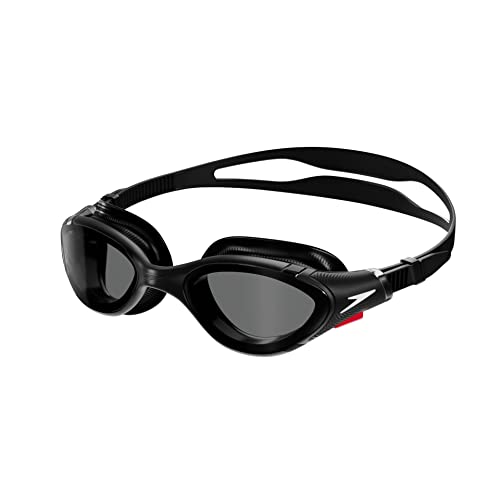
Speedo Biofuse 2.0 Polarised is the comfort-first option in this list. It is better suited to swimmers who care more about a softer everyday feel than an aggressive race fit, making it useful for repeated ocean training and outdoor fitness sessions.
Pros
- Soft, comfort-oriented fit
- Polarised lens option for bright conditions
- Good for repeated outdoor sessions
- Familiar mainstream design
Cons
- Not the most race-focused choice
- Not the widest field of view in the list
- Exact fit and lens variant should be confirmed
6. Arena Cobra Tri Swipe Mirror

Arena Cobra Tri Swipe Mirror is the outlier in this list because it uses a mirrored race lens rather than being a polarized model. It suits experienced swimmers who want a compact, lower-profile feel for bright-water race conditions and already know they tolerate a firmer fit.
Pros
- Compact race-oriented profile
- Mirrored lens helps reduce brightness
- Suitable for confident racers
- Good alternative for swimmers who dislike larger open-water frames
Cons
- Not a polarized model
- Firmer fit is less forgiving
- Less peripheral view than wide-view goggles
- Not ideal for low-light starts
What Makes Ocean Swimming Goggles Different?
Ocean priorities
- Stable seal through chop, waves and repeated sighting.
- Enough peripheral vision to find buoys, landmarks and nearby swimmers.
- Lens tint suited to glare, cloud, dawn or changing coastal light.
- Comfort for longer saltwater sessions.
- Easy post-swim rinsing to remove salt, sunscreen and sand.
Common ocean problems
- Surface glare and low contrast.
- Salt residue drying on lenses and gaskets.
- Sunscreen smearing lens surfaces.
- Leaks when waves hit or the frame shifts.
- Dark lenses becoming difficult in cloud or dawn light.
Wide View vs Low-Profile Goggles for Ocean Swimming
| Type | Best For | Main Advantage | Tradeoff |
|---|---|---|---|
| Wide-view open-water goggles | Sighting, beginners, long ocean sessions | More peripheral awareness | Can feel larger |
| Low-profile race goggles | Experienced racers | Compact, performance-oriented feel | Narrower view and firmer fit |
| Comfort / mask-style goggles | Recreational ocean swimming | Softer seal and larger viewing area | Bulkier for racing |
Best Lens for Ocean Swimming
| Condition | Lens to Consider | Why |
|---|---|---|
| Bright sun and strong glare | Polarized or mirrored | Reduces reflected glare or overall brightness. |
| Cloudy or dawn swim | Clear, amber or light smoke | Keeps the view brighter in lower light. |
| Changing light | Photochromic or moderate tint | Can be more versatile when conditions shift. |
| Race into the sun | Polarized, mirrored or smoke | Helps manage bright reflections and sun angle. |
For a deeper comparison, see our photochromic vs polarized swim goggles guide.
How to Care for Goggles After Saltwater Swimming
Rinse With Fresh Water
Rinse salt and sand off the frame, straps and exterior lens surfaces after each ocean session. Avoid hot water.
Protect the Inner Lens
Do not rub the inside lens unless the manufacturer specifically says its anti-fog treatment can be handled that way.
Air Dry Away From Direct Sun
Let the goggles dry before storage so saltwater and sunscreen residue do not sit on the materials.
Store in a Case
A case protects the lens from sand, keys and scratches between swims.
Ocean Sighting Tips
Use Large Landmarks
Buoys can disappear behind chop. Buildings, trees and shoreline shapes can be easier secondary reference points.
Keep the Head Lift Small
Practice a quick forward glance instead of lifting the whole head high, which can drop the hips and interrupt rhythm.
Sight Before You Feel Lost
Check direction regularly so small errors do not become large course corrections.
Match Lens Tint to Conditions
Bright glare and low-contrast dawn water require different lenses. Test the pair in similar conditions before a long event.
Buying guide: what matters in rough ocean swimming
1. Seal stability beats tiny race-day minimalism
Rough water moves goggles around. A soft but structured gasket that seals with light pressure is usually better than a narrow socket goggle that only works when the strap is cranked tight. Test the seal by pressing the goggles to your face without using the strap. They should hold briefly without pain.
2. Pick the lens for the course, not just the weather app
Ocean glare changes with the direction of the course, the sun angle, whitewater, and clouds. For bright exposed swims, smoke, mirrored, or polarized lenses can help. For dawn, fog, rain, or shaded starts, clear or lightly tinted lenses are safer. See the full open-water lens color guide before choosing one pair for every condition.
3. Strap security matters when waves or contact hit
A split strap gives better distribution around the back of the head. Put one band slightly higher and one lower, then tuck the strap under your cap for races or crowded starts. Bring a spare pair in your bag, especially for ocean events.
Lens and visibility tips for chop, swell, and glare
Sunny ocean or strong reflections
Use smoke, mirrored, or polarized lenses. Polarized lenses can reduce horizontal glare, but they may feel too dark when clouds roll in or the course turns away from the sun. For more detail, compare photochromic vs polarized swim goggles.
Cloudy, dawn, or uncertain visibility
Use clear, blue, amber, or light smoke lenses. A lens that is too dark can make buoys, caps, and shoreline reference points harder to read in low contrast water.
Race-day tips for rough ocean starts
- Warm up with the goggles you plan to race in, not a spare pool pair.
- Rinse lenses gently before the start and avoid touching the inside coating.
- Put goggles on before your cap if you want extra strap security, or over the cap if you may need quick adjustment.
- Carry a second pair in transition or your gear bag, ideally with a different lens tint.
- Practice sighting in chop so you do not lift your head too high every stroke cycle.
For a broader event checklist, read the Best Goggles for Ironman Swim 2026 guide.
Common mistakes
- Buying the darkest lens automatically. Dark mirror lenses look race-ready, but they can be a poor choice for early starts or changing coastal weather.
- Overtightening to fix leaks. If a seal only works when painful, the gasket shape is wrong.
- Testing only in the pool. A pool test is useful, but rough ocean swimming adds salt, chop, sun angle, and contact.
- Skipping a backup pair. One broken strap or lost pair can ruin a race morning.
- Ignoring buoy visibility. Comfort matters, but you also need to sight without fighting the frame.
Frequently Asked Questions
What are the best goggles for ocean swimming?
For most swimmers, look for a stable open-water seal, enough field of view for sighting, a lens suited to your light conditions, and comfort for long saltwater sessions. Zoggs Predator Flex Polarized is the overall pick in this guide, while Aqua Sphere Kayenne Polarized is the wide-view option.
Are polarized goggles good for ocean swimming?
They can be very useful in bright conditions because they reduce reflected glare from the water surface. They are not automatically the best choice for cloudy, shaded, or dawn swims.
Are wide-view goggles better for ocean swimming?
They are often helpful because they improve peripheral awareness and make sighting easier, but some experienced swimmers still prefer a lower-profile race goggle for a more compact fit.
Can I use pool goggles in the ocean?
Yes, but a pool goggle may offer less peripheral vision, less glare control, or less long-swim comfort. The important question is whether it seals securely, gives enough visibility, and works in your ocean conditions.
How do I clean goggles after saltwater swimming?
Rinse them gently with fresh water, avoid rubbing the inner lens unless the manufacturer allows it, air dry away from direct sun, and store them in a case.
What lens color is best for ocean swimming?
Bright sun often favors polarized, mirrored, or smoke lenses. Cloudy, dawn, or low-light conditions are usually easier with clear, amber, or lightly tinted lenses.
How tight should ocean swimming goggles be?
They should feel secure without painful strap tension. The gasket should create most of the seal; the strap should stabilize the fit rather than force a poorly matched frame to work.
Do I need a backup pair for ocean races?
A tested backup pair is a sensible race-day precaution, especially if it has a different lens tint for unexpected light conditions.
Final Verdict
The best goggles for ocean swimming are the pair that stay sealed, let you sight comfortably, and match the light you actually swim in. Zoggs Predator Flex Polarized is the best overall balance in this guide, while Aqua Sphere Kayenne Polarized is the better choice when wide-view sighting is your top priority.
For rough water, saltwater and ocean racing, fit and lens choice matter more than brand prestige. Test the goggles in similar conditions before a long swim and rinse them with fresh water afterward.
Related Guides
Compare polarized picks for bright open water.
Race-day goggles for long-course open water.
Choose lenses for glare and changing light.
Find goggles by fit, lens and swim conditions.
Visibility and safety gear for open-water training.