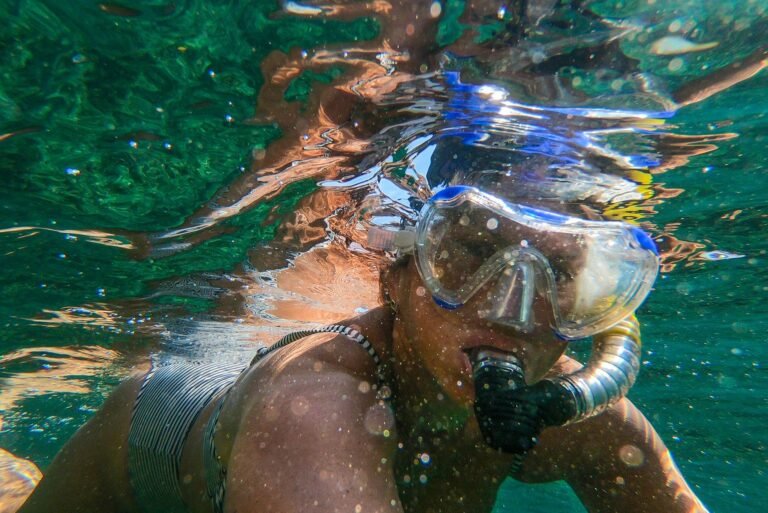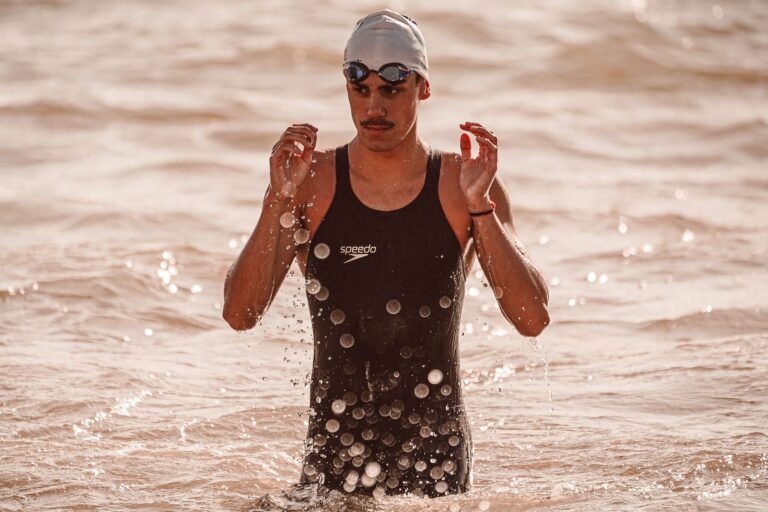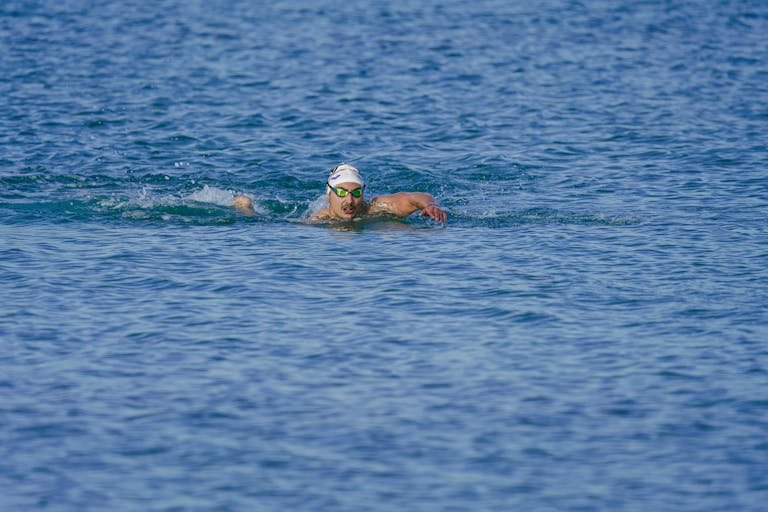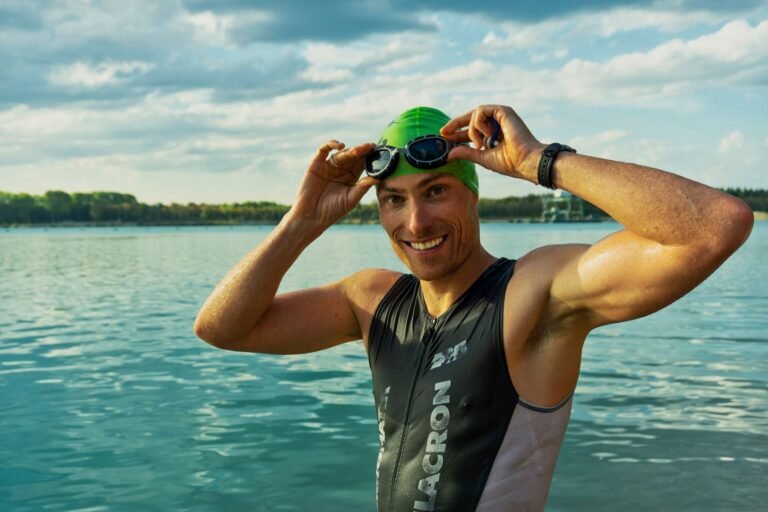
There is a distinct moment, right before you step barefoot into a freezing lake or wade into the crashing ocean surf, where your brain screams at you to turn around. The water looks too cold, the waves seem too intimidating, and the heated indoor aquatic center is just a short drive away. But you take that step anyway. You plunge your head under, the initial cold shock hits your system, and suddenly, the chaotic noise of the modern world completely vanishes.
Here at OpenWaterGoggles.com, we spend a massive amount of time obsessing over the technical aspects of the sport. We analyze the hydrodynamics of the freestyle pull mechanics, we rigorously test the chemical layers of premium anti-fog swim goggles, and we track digital pacing data. But today, we need to step back and look at the bigger picture. Why do we actually do this? Why do we willingly subject ourselves to the wild, unpredictable elements of nature?
The answer goes far beyond winning a local triathlon or beating a personal best. The physiological and psychological transformations that occur when you immerse yourself in wild water are nothing short of miraculous. In this comprehensive 2026 guide, we are going to explore the profound health benefits of open water swimming. We will dive into the science of cold-water therapy, the zero-impact cardiovascular advantages, and the undeniable mental clarity that can only be found beyond the shoreline.
1. The Ultimate Low-Impact Cardiovascular Engine
If you want to build a bulletproof cardiovascular system, you generally have to run, cycle, or row. While running is fantastic for your heart, it is brutally unforgiving on your musculoskeletal system. Every time your foot strikes the pavement, your knees, ankles, and lower back absorb a kinetic shockwave equal to three times your body weight.
Open water swimming is the ultimate biological loophole. When you are submerged in water, buoyancy cancels out gravity, supporting roughly 90 percent of your body mass. You are essentially weightless. This allows you to push your heart rate into high-intensity aerobic zones for hours without causing any micro-tears in your joint cartilage or compressing your spinal discs.
Furthermore, because the water is highly dense, every single movement requires muscular force. You are constantly pulling against a liquid resistance band. This builds incredible upper body strength, expanding your lung capacity and drastically improving your resting heart rate. It is the perfect, sustainable cardiovascular exercise that you can safely perform well into your seventies and eighties.
2. Cold Water Therapy and the Immune System
Perhaps the most heavily researched and scientifically validated health benefit of wild swimming is the physiological reaction to cold water. When you enter a lake that is below 60 degrees Fahrenheit, your body experiences cold shock. While we have extensively covered the dangers of understanding hypothermia, controlled, acclimatized exposure to cold water is basically a superpower for your immune system.
As the freezing water hits your skin, your body enters a mild “fight or flight” survival mode. To protect your core, your circulatory system aggressively constricts your surface blood vessels (vasoconstriction) and forces blood deep into your vital organs. This massive circulatory pump flushes toxins from your muscles.
More importantly, this thermal stress forces your body to adapt. Medical studies have shown that regular cold-water swimmers have significantly higher white blood cell counts than the general population. The mild, controlled stress of the freezing ocean forces your immune system to constantly practice mobilizing its defenses, meaning when you are exposed to a common winter cold or flu virus, your body is incredibly efficient at fighting it off.
3. The Profound Impact on Mental Health and Anxiety
Physical health is only half of the equation. We live in an era characterized by chronic stress, digital burnout, and skyrocketing anxiety levels. The open water is one of the last remaining sanctuaries where your smartphone cannot reach you.
Swimming is inherently meditative. Because your face is submerged, your sensory input is drastically restricted. You cannot hear traffic, you cannot see billboards, and you cannot check your emails. You are left entirely alone with the rhythm of your own breathing and the sound of the water slipping past your ears. To swim efficiently, you are forced to focus entirely on your stroke mechanics. This mandatory mindfulness severs the loop of anxious overthinking.
Additionally, the cold water stimulates the vagus nerve, a critical component of the parasympathetic nervous system. When the vagus nerve is activated by cold water on the face, it chemically signals your heart rate to slow down and drastically reduces the production of cortisol (the stress hormone). When you walk out of the ocean after a difficult swim, that profound sense of calm and euphoria you feel is not just in your head; it is a massive, biological release of endorphins, dopamine, and serotonin.
4. Building a Bulletproof Mindset
The lessons you learn in the wild water do not stay in the water; they bleed into every aspect of your daily life. The ocean is intimidating. Overcoming the initial dread of taking off your warm clothes on a freezing beach requires immense willpower.
When you willingly subject yourself to discomfort, you stretch your psychological comfort zone. If you can train your mind to stay calm while navigating two-foot ocean swells and battling strong cross-currents, giving a stressful presentation at work suddenly feels incredibly easy. As we discuss in our guides on mental training and visualization, the psychological resilience built in the water creates an unbreakable foundation of self-confidence.
5. Getting Started Safely: The Gear You Need
If you are inspired to reap the health benefits of open water swimming, you must approach it with absolute respect. You cannot simply jump into a dark lake wearing standard pool gear and expect to be safe.
First, visibility is non-negotiable. You must invest in a bright orange inflatable safety swim buoy. This alerts boats to your presence and provides a flotation device if you experience a cramp. Second, you must protect your vision. Experiencing a panic attack because your cheap goggles flooded with saltwater defeats the entire purpose of the exercise. You must equip yourself with wide-view, leak-proof swimming goggles so you can sight your surroundings with absolute clarity.
Finally, respect the cold. Learn the subtle art of warming up slowly, wear a neoprene cap to retain your core body heat, and never swim alone. With the right preparation, the right equipment, and the right mindset, the open water will transform your physical health and completely reboot your mind.
Frequently Asked Questions
How does cold water swimming boost the immune system?
Cold water immersion causes a mild stress response that stimulates the production of white blood cells. Over time, regular exposure helps your body become significantly more efficient at mobilizing its defenses against common illnesses and inflammation.
Is open water swimming better for joints than running?
Absolutely. Swimming is a zero-impact sport. The buoyancy of the water supports up to 90 percent of your body weight, completely removing the harsh kinetic impact on your knees, ankles, and lower back that occurs during running.
Can swimming in the ocean help reduce anxiety?
Yes. The combination of intense physical exertion, deep rhythmic breathing, and connection with nature creates a meditative state. Furthermore, cold water stimulates the vagus nerve, which activates the parasympathetic nervous system, drastically lowering cortisol (stress) levels.
What gear do I need to safely start open water swimming for health?
Safety is paramount. You absolutely need a brightly colored inflatable swim buoy so boats can see you, a high-quality neoprene cap to prevent heat loss, and premium leak-proof swimming goggles so you can navigate without panicking.
Disclaimer: OpenWaterGoggles.com is a member of the Amazon Associates program and earns from qualifying purchases. When you purchase new swim gear through our carefully selected links, we earn a commission at no additional cost to you.