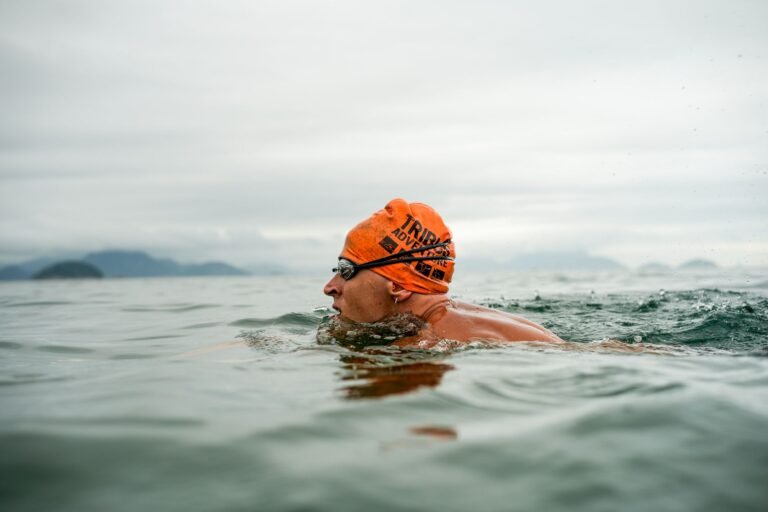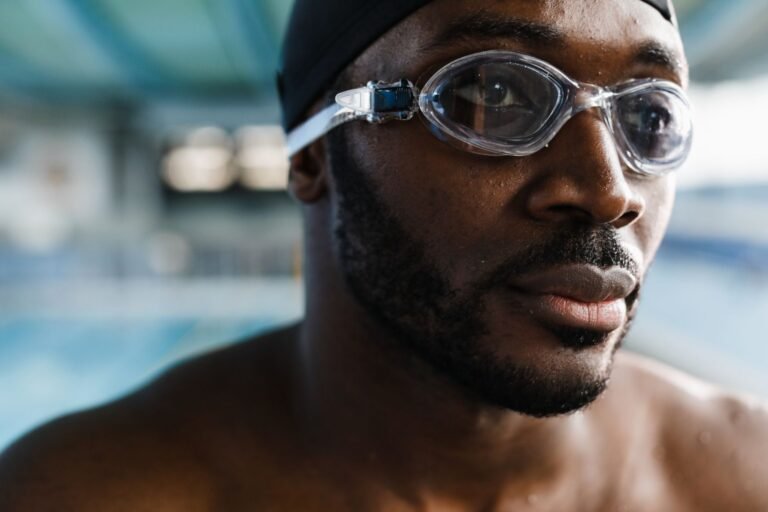
A short swim can hide a bad goggle choice. Thirty minutes into open water, the same pair can start pressing into your eye sockets, pinching the bridge of your nose, or slowly leaking every time you lift to sight.
For long-distance open-water swims, the right goggles are not simply the fastest-looking pair or the darkest lens. You are buying time: time before pressure builds, time before fog becomes distracting, and time before a small fit problem turns into the thing you think about for the rest of the swim.
Affiliate disclosure: this article includes Amazon affiliate links. As an Amazon Associate, we may earn from qualifying purchases. Product suggestions are based on fit and use-case suitability, not personal testing claims.
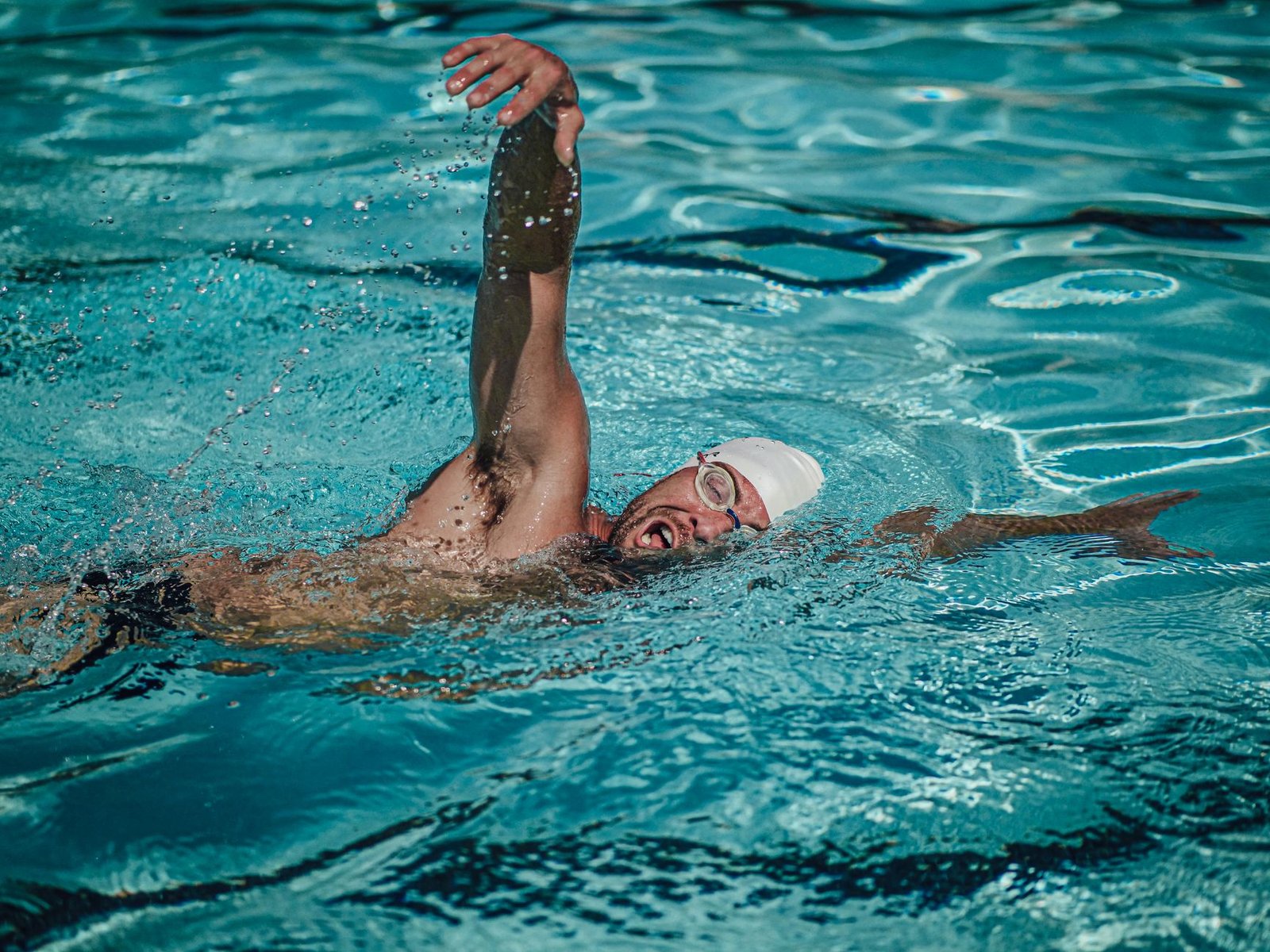
For long-distance open-water swims, start with lower pressure, a stable seal, and a lens you can live with for the full session. Compact race goggles can work if they match your face well, but many swimmers are better served by a wider-view comfort goggle or swim-mask style if they are swimming for 45 minutes, an hour, or longer.
Most goggle mistakes happen because swimmers judge the fit too quickly. A pair can feel fine when you press it to your face in the kitchen, walk to the water, and swim the first few minutes. The real test comes later, when your face has relaxed, the strap has settled, the lens has warmed, and you have sighted enough times to expose small leaks.
That is why long-distance goggles need a different buying filter than pool racing goggles. A race pair only has to feel secure for a relatively short effort. A long open-water pair has to disappear from your attention.
The goal is not to find goggles you can tolerate. The goal is to find goggles you stop noticing.
The first thing to decide: are you buying for speed or time?
There is nothing wrong with compact, low-profile goggles. They can feel secure in a triathlon start, create less drag, and sit closer to the face. But long-distance comfort is not always their strength. Smaller lenses and firmer gaskets concentrate pressure in a narrower area. If the shape is a little wrong for your face, the problem becomes louder the longer you swim.
If your swim is short and crowded, stability may matter most. If your swim is long and steady, pressure distribution matters more. That is the fork in the road.
A swimmer training for a relaxed 2 km lake swim may be happier in a wide-view or mask-style design than in a compact race goggle. A triathlete practicing in chop may still prefer something smaller and firmer, but only if it stays comfortable after repeated sighting and breathing changes.
Where long-swim discomfort usually starts
Pressure around the eyes is the obvious issue, but it is not the only one. A longer swim can reveal several fit problems that a short pool test misses.
Eye-socket pressure usually comes from a gasket that sits too narrowly or too firmly on your face. The strap may be making it worse, but the frame shape is often the root cause.
Nose-bridge pressure can happen when the lenses sit too close together or when the frame does not match the width between your eyes. This is easy to mistake for a strap problem. Loosening the strap may reduce pressure, but it can also create leaks.
Temple pressure shows up when the frame is too narrow or the strap angle pulls the goggles inward. Some swimmers with wider faces feel this more than eye-socket pressure.
Slow leaks are more frustrating than dramatic leaks. The goggles may not flood, but a thin line of water keeps entering when you sight, breathe, or turn into chop. Over an hour, that small distraction becomes a reason to stop trusting the goggles.
If pressure is your main problem, it may help to read the more focused guide on why open-water goggles start hurting after 30 minutes. This article is about the buying decision that follows: what kind of goggle makes more sense for longer swims.
When a swim mask makes sense
A swim mask is not the right answer for every open-water swimmer. It can feel too large for crowded race starts or for swimmers who prefer a compact feel. But for long, steady swims, a well-fitting mask-style goggle can solve problems that a smaller pair keeps repeating.
The reason is simple: a larger skirt or gasket often spreads pressure over a wider area. You are not asking two small gaskets to do all the work around the eye sockets. You also get more peripheral awareness, which can reduce the feeling of constantly lifting your head to check where you are.
For swimmers who mainly want long-swim comfort and easier sighting, a wide-view swim mask such as the Aqua Sphere Vista Pro or DEFY Ultra style is the direction to compare first. It is not the most compact race-day shape, but it makes sense when pressure and field of view matter more than a minimal profile.
Choose this direction if your current goggles leave deep marks, make the bones around your eyes feel sore, or force you to stop and adjust during longer open-water sessions.
Skip it if your main swim is a crowded triathlon start and you already know larger masks feel unstable on your face. In that case, a compact but better-matched goggle may be the safer path.
When compact goggles still belong in long-distance swimming
Comfort does not automatically mean big. Some swimmers do better in compact goggles because the frame matches their face, the nose bridge sits correctly, and the seal stays stable when they sight. A smaller goggle can also feel more secure when waves or other swimmers disturb the water.
The mistake is buying compact goggles only because they look serious. A compact goggle that fits well can be excellent. A compact goggle that almost fits will remind you of the problem every few minutes.
The Aqua Sphere Kayenne Compact Fit is worth comparing if you want open-water visibility without moving all the way to a large swim mask. It is most relevant for swimmers who need a smaller fit but still want more awareness than a narrow racing lens provides.
If you are choosing for triathlon, sighting stability matters too. A pair can feel comfortable during easy swimming but shift when you lift your eyes forward. For long-distance race prep, test the goggles with the same sighting rhythm you expect to use on race day.
The ROKA R1 is a more race-oriented open-water choice for swimmers who want forward visibility and a compact, secure feel. It is not the first direction for swimmers whose main problem is soft comfort, but it can make sense when sighting and race-day stability are higher priorities.
Lens choice matters more when the swim gets longer
Lens mistakes are easier to tolerate for 15 minutes. During a longer swim, they become tiring. A lens that is too dark can make cloudy water feel flat and hard to read. A lens that is too light can make bright glare feel like a constant squint.
For long-distance swims, avoid choosing only for the first five minutes. Think about the light across the whole session. A morning swim may start shaded and finish bright. An ocean swim may shift between glare, chop, and darker water every time you turn around a buoy.
If your swims often happen in full sun, a mirrored or darker lens may reduce visual fatigue. If you swim early or in cloudy lakes, a lighter smoke or clear lens can be more useful. The broader open-water goggle lens color guide is worth reading if your main buying problem is visibility rather than pressure.
The Speedo Vanquisher 3.0 Mirrored is more of a compact training/race style than a comfort mask. It can suit swimmers who already like the Vanquisher fit and want a brighter-day lens, but it is not the first pick for someone who needs lower eye pressure on hour-long open-water swims.
The test should match the swim you are buying for
A dry suction test is useful, but it is not enough. A long-distance open-water goggle needs to pass a swim-specific test.
Before trusting a pair for a long session, use it for a shorter open-water swim and pay attention to three moments: the first five minutes, the point where you normally start feeling pressure, and the final ten minutes. If the goggles only become annoying late in the swim, that is still a buying signal. Long-swim goggles are supposed to handle the late part too.
During the test, do not baby the goggles. Sight several times. Breathe to both sides if you can. Swim into small chop if conditions allow. Adjust your cap the way you would before a race. A pair that only works in calm water with perfect setup may not be the best choice for open water.
What to buy if your current goggles are almost right
Not every problem requires a completely different style. If the seal is good and the pressure is minor, you may need a softer fit, a better strap angle, or a slightly different frame size. If the pressure is sharp, localized, or appears every swim, the frame is probably wrong for your face.
If your goggles hurt around the eyes but never leak, compare softer gasket or mask-style options. If they leak only when sighting, prioritize stability and frame match. If they feel fine in the pool but bad outside, look at lens tint, glare control, and how often you lift your head.
For a deeper comparison between compact goggles and mask-style designs, see compact vs mask-style open-water goggles. If you already suspect a swim mask might be the better route, the guide on whether you should use a swim mask for open water will help narrow that decision.
Bottom line: buy for the last 20 minutes, not the first 5
The best long-distance open-water goggles are the pair that still feels manageable late in the swim. They do not have to be the most expensive. They do not have to look like elite race gear. They do need to hold a seal, keep pressure reasonable, and give you enough visibility to stay calm and oriented.
If your current goggles are only comfortable at the beginning, do not treat that as normal. It is a sign to change the fit category, not to toughen up.
Not sure which open-water goggles fit your swim?
Answer a few quick questions about where you swim, your face fit, lens needs, and comfort priorities. The Open Water Goggles Finder is built around practical problems like leaking, fogging, glare, sighting, and long-swim pressure.