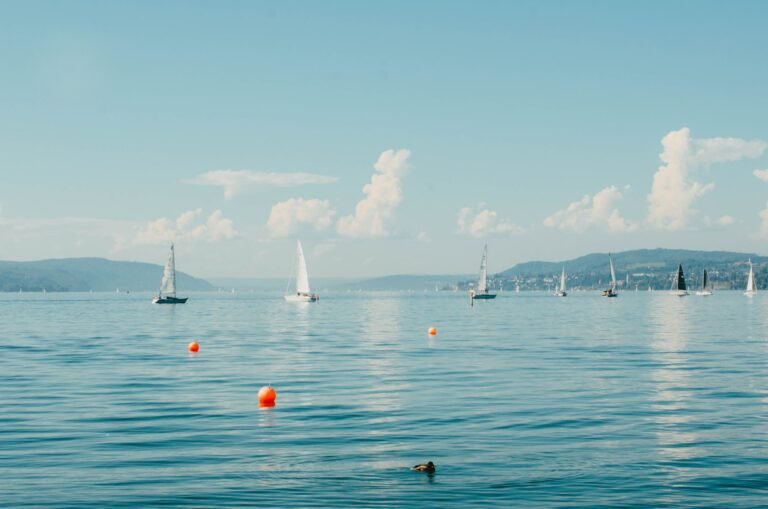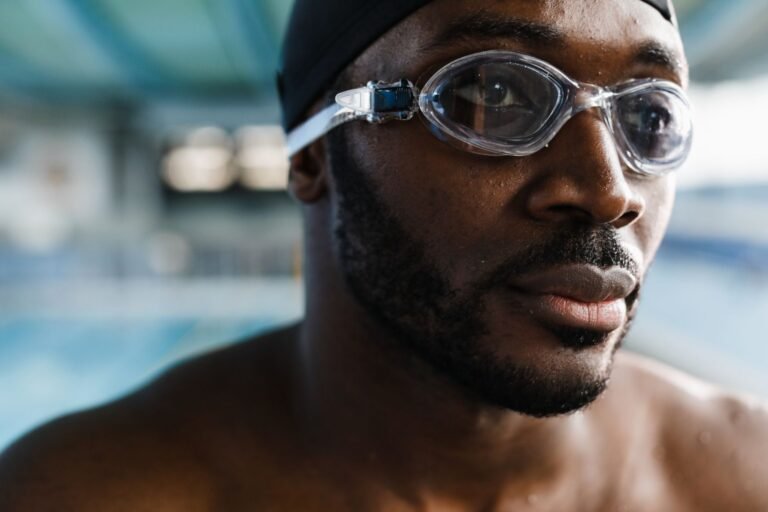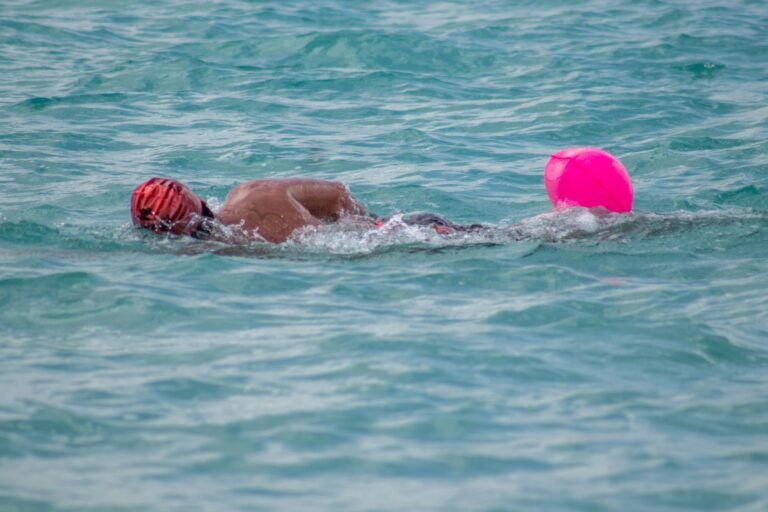
The wrong lens color rarely ruins a pool workout. In open water, it can make buoys disappear, turn chop into a sheet of glare, or leave you squinting through the first 500 meters of a race. This guide keeps it practical: choose your goggle tint by light, water, sun angle, and how much confidence you need when sighting.
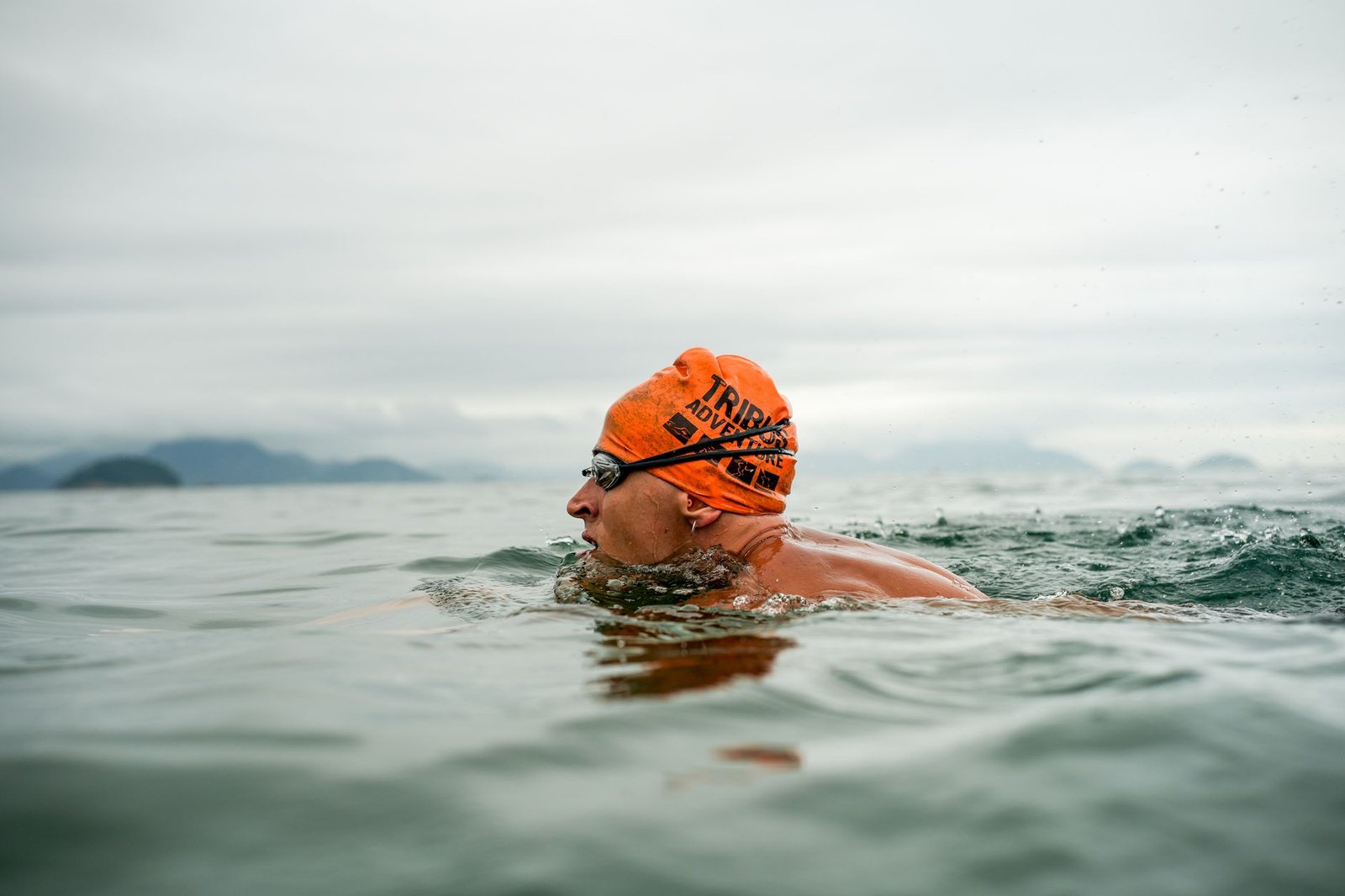
Quick answer: match the lens to the light, not the water type
For most open water swimmers, the safest setup is two pairs: one clear or amber pair for low light, and one smoke, mirrored, or polarized pair for bright sun. If you only want one pair, a medium smoke or lightly mirrored lens is the most versatile choice for daytime swims. If glare is the main problem, polarized lenses are worth considering.
The simple lens color rule
Do not choose a lens because it looks fast on the shelf. Choose it based on the moment you actually swim. A 6:30 a.m. lake start, a noon ocean swim, and a sunset training loop need different lenses even if the distance is the same.
| Condition | Best lens color | Why it works | What to avoid |
|---|---|---|---|
| Dawn, dusk, heavy cloud | Clear or amber | Lets in more light and improves confidence when buoys are dim. | Very dark mirror lenses. |
| Bright midday sun | Smoke, mirrored, or polarized | Reduces brightness so you can relax your face and sight longer. | Clear lenses if you are sensitive to glare. |
| Low sun on the horizon | Mirrored or polarized | Helps when the course points toward the sun. | Amber only if the sun is directly in your eyes. |
| Murky lake or shaded river | Clear, blue, or amber | Keeps the view brighter when the water already feels dark. | Dark smoke lenses. |
| Reflective ocean surface | Polarized or mirrored smoke | Cuts glare and makes sighting less tiring. | Cheap dark lenses with poor clarity. |
Clear lenses: boring, useful, and often the right answer
Clear lenses are underrated because they do not look as aggressive as mirrored race goggles. But for early starts, dark water, indoor-to-outdoor transitions, or cloudy weather, they are the least risky choice. You see more, your brain relaxes sooner, and you are less likely to lift your head too high because the buoy feels hidden.
Smoke lenses: the one-pair compromise
Smoke is the practical middle ground. It reduces brightness without changing color too much. If you swim mostly in daylight and do not want to overthink lens choice, smoke lenses are usually easier to live with than a very dark mirror lens.
For a general open-water buying framework, pair this guide with our open water swimming goggles buying guide.
Amber, orange, and yellow lenses: contrast helpers
Amber and yellow lenses can make a dull day feel sharper. They are useful when the sky is flat, the lake looks gray, and buoys do not pop visually. The tradeoff is that they are not ideal when the sun is fierce. Think of amber as a contrast lens, not a glare lens.
- Use amber for overcast training and low-contrast water.
- Skip amber for harsh ocean glare unless the lens also has a mirror coating.
- Test it first because some swimmers dislike the color shift.
Mirrored lenses: best when the sun is part of the course
Mirrored lenses reduce the punch of bright light and are a favorite for triathlon and sunny open-water races. They are especially helpful when the course turns into a low sun, or when you are breathing toward reflected light off the water.
The mistake is wearing a very dark mirrored lens just because it looks fast. On a cloudy morning, that same lens can make the first buoy feel farther away than it is.
Polarized lenses: glare control, not magic vision
Polarized lenses are designed to reduce reflected glare from flat, shiny surfaces. In open water, that can make the surface feel calmer and reduce eye fatigue. They do not automatically make murky water clear, and they will not fix poor sighting technique, but they can make sunny swims feel less harsh.
For a deeper comparison, read our guide to photochromic vs polarized swim goggles.
Good polarized use cases
- Bright lake swims
- Ocean glare
- Long training sessions
- Courses with repeated sighting into reflected light
When to be careful
- Very cloudy mornings
- Dark rivers or shaded courses
- Swimmers who prefer maximum brightness
- Cheap polarized lenses with distortion
Photochromic lenses: convenient, but not always instant
Photochromic lenses adapt as light changes. That sounds perfect for open water, especially on mixed-weather days. The limitation is that transitions are not always instant, and the lens may not get as dark as a dedicated mirrored lens in harsh sun. They are best for swimmers who train across different conditions and want one flexible pair rather than a race-specific tint.
Race-day lens decision tree
| Ask this on race morning | Choose this |
|---|---|
| Is the swim before sunrise or under heavy cloud? | Clear or amber. |
| Will I sight directly into the sun? | Mirrored smoke or polarized. |
| Is the water dark, murky, or shaded? | Clear, light blue, or amber. |
| Is glare already making me squint on shore? | Polarized or mirrored. |
| Am I unsure? | Start with the brighter lens and pack the darker one as backup. |
If your main event is long-course triathlon, also see our Best Goggles for Ironman Swim 2026 pillar guide.
Practical two-pair setup for most swimmers
The most reliable setup is not one expensive pair. It is two useful pairs that cover opposite conditions.
Pair 1: low-light safety pair
Clear, amber, or light blue lens. Use it for dawn, clouds, shaded water, and nervous first swims.
Pair 2: sun and glare pair
Smoke, mirrored, or polarized lens. Use it for bright lakes, ocean glare, and sunny race days.
Common lens color mistakes
- Buying the darkest lens first: Dark lenses look professional but can make cloudy swims harder.
- Ignoring sun angle: A race that starts east-facing can feel completely different from one that starts with the sun behind you.
- Using pool logic outdoors: Indoor clarity does not predict open-water sighting comfort.
- Only packing one pair: Weather changes. A backup pair can save a race morning.
- Forgetting lens care: Scratched lenses scatter light and make glare worse. Keep goggles in a case.
FAQ
What lens color is best for open water swimming?
Clear or amber is best for low light. Smoke, mirrored, or polarized is best for bright sun. For one all-around pair, choose a medium smoke lens unless you mostly swim at dawn.
Are mirrored goggles too dark for open water?
They can be too dark for cloudy starts and shaded lakes. They are excellent when glare is strong or the sun is low.
Is polarized better than mirrored?
Not always. Polarized lenses target reflected glare, while mirrored lenses reduce brightness. For flat sunny water, polarized can feel better. For harsh direct sun, mirrored can be enough.
Should beginners use clear lenses?
Often, yes. Clear lenses keep visibility high and reduce the closed-in feeling some beginners get in open water.
What lens should I use for triathlon race day?
Check start time and sun direction. Use clear or amber for low light, smoke or mirrored for sun, and polarized for glare-heavy water. Pack a second tint if possible.
Related guides
Best Goggles for Ironman Swim 2026
Photochromic vs Polarized Swim Goggles
How to Choose Open Water Goggles
Best Open Water Swim Buoys & Dry Bags