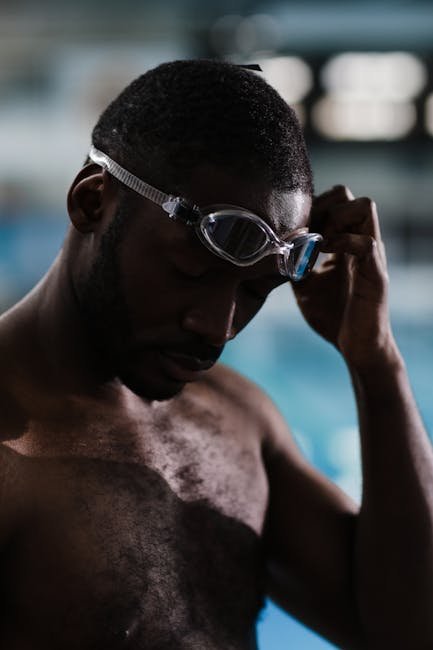
How to stop swim goggles fogging in open water
Foggy goggles can turn a calm lake swim into a guessing game. You lift your head to sight, the buoy has disappeared, and suddenly every stroke feels less relaxed. The fix is not one magic spray. It is a small routine that protects the lens coating, controls moisture, and keeps warm air out once the swim starts.
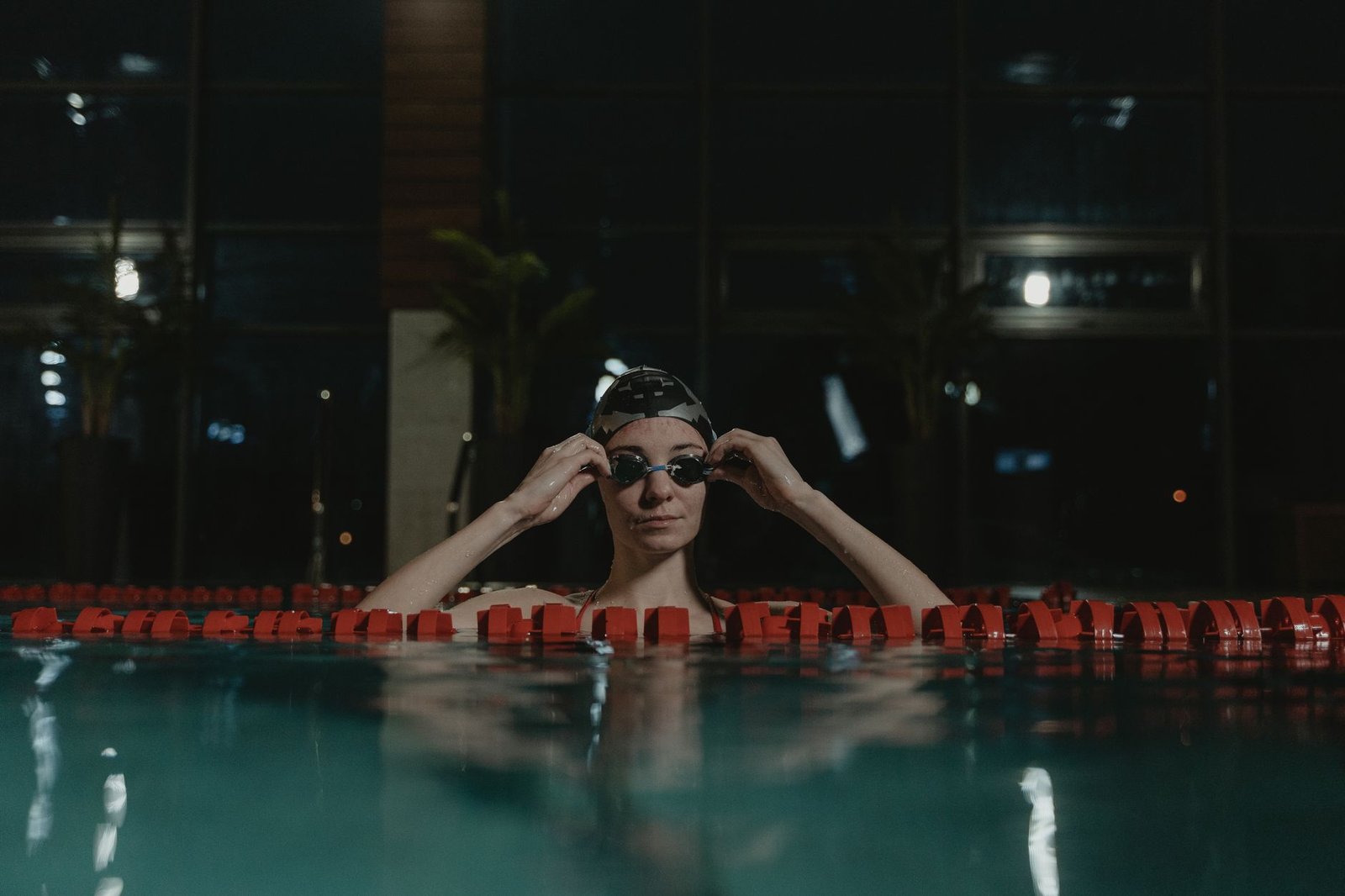
Quick answer
To stop swim goggles fogging in open water, start with clean lenses, avoid rubbing the inside coating, use a swim-safe anti-fog treatment before the swim, rinse gently, put the goggles on only when you are ready, and avoid lifting the seal once you enter the water. Fogging usually gets worse when warm humid air is trapped inside the goggles or when the anti-fog coating has been scratched away.
Why open-water goggles fog faster than pool goggles
In a pool, the air and water are often more predictable. In open water, you may be standing on a windy beach, warming up in a wetsuit, then jumping into cooler water. That quick temperature shift creates the perfect setup for condensation inside the lenses.
Fog is not only a gear problem. It is a routine problem. A premium pair of goggles can fog if you rub the inner lens with a towel, smear sunscreen on the gasket, or wear them sealed on your face for ten minutes before a hot race start.
The 5-minute anti-fog routine before an open-water swim
1. Keep the inside lens clean
Before you do anything else, check the inside of the lenses. Sweat, sunscreen, dried lake water, and fingerprints all give condensation more places to collect. Rinse gently with clean water if needed, then let excess water drain away.
2. Apply anti-fog without scrubbing
Use a swim-safe anti-fog spray or drops. The key word is gentle. Spread it only as directed. Do not attack the inside lens with a towel, fingernail, shirt, or rough cloth. That is how many swimmers destroy the factory coating long before the goggles are worn out.
3. Let it set before the start
Some anti-fog products work best after a short set time. Others need a light rinse. Follow the product instructions. The goal is a thin, even film, not a puddle of liquid that stings your eyes when the race begins.
4. Put goggles on late, not early
This is the small habit that helps a lot. If you seal the goggles while you are overheating in a wetsuit, warm humid air is trapped inside. Put them on when you are close to entering the water, then leave the seal alone.
5. Do one calm seal check
Press the goggles lightly into place, check the strap sits flat, and make sure your cap or hair is not under the gasket. One clean seal is better than five nervous adjustments.
Anti-fog checklist by swim situation
| Situation | Why fog happens | Best fix |
|---|---|---|
| Cold lake, warm face | Big temperature difference between skin and lens | Use anti-fog, avoid early sealing, splash face before starting |
| Sunny race start | You overheat while waiting in the corral | Keep goggles off your eyes until the last practical moment |
| Long ocean swim | Saltwater, sunscreen, and repeated sighting disturb the seal | Clean lenses after every swim and use a secure fit |
| Older goggles | Factory coating has worn down | Use anti-fog spray for training; replace for important races |
| Fog plus leaking | Water is entering and increasing humidity inside | Fix the seal first; read our leak guide below |
What not to do to the inside of your goggles
- Do not wipe the inside lens with a towel. Even a soft towel can damage the coating if you rub it repeatedly.
- Do not leave goggles loose in your swim bag. Sand, keys, watch buckles, and bottles scratch lenses quickly. A cheap case is worth it. See swim goggle cases on Amazon.
- Do not use random household cleaners. They may irritate your eyes or break down lens and gasket materials.
- Do not keep lifting the goggles during the swim. Every lift brings warm humid air back inside.
- Do not blame lens tint for fog. Clear, smoke, mirrored, and polarized lenses can all fog if the coating and routine are poor.
When fogging is really a fit problem
If your goggles fog and leak at the same time, treat the leak first. A poor seal lets water and humid air move inside the eye cups. Tightening the strap harder often makes this worse because it distorts the gasket and presses the frame into your face.
Fog only
The lenses cloud over but the goggles stay mostly dry inside. Focus on coating care, anti-fog treatment, and start-line timing.
Fog plus water drops
The seal is probably breaking. Check nose bridge width, gasket shape, cap placement, and strap angle before blaming the lens.
For a deeper fit check, read Why Open Water Goggles Leak.
Race-day anti-fog routine
- Clean and inspect your race goggles the night before.
- Pack a backup pair in a case, not loose in the bag.
- Use your anti-fog product during training before trusting it on race day.
- Keep sunscreen away from the gasket and inner lens.
- At the venue, avoid rubbing the inside even if you see a water spot.
- Put goggles on near the start, do one seal check, then leave them alone.
If you are preparing for a long-course race, pair this routine with our Best Goggles for Ironman Swim guide.
Do you need new goggles?
You probably do not need new goggles if fogging started after a rushed warm-up, a sunscreen smear, or a missed anti-fog step. You may need a fresh pair if the inner lens looks scratched, the coating feels permanently cloudy, or the goggles fog within a few minutes no matter how carefully you treat them.
For bright open water, a pair like the Arena Cobra Tri Swipe Mirror can make sense for racers who want a low-profile fit and mirrored lens. For wider comfort-focused swimming, compare options in our open-water goggle buying guide.
Common mistakes that make fogging worse
Wearing goggles too early
Standing in the sun with sealed goggles traps hot, humid air before you even start swimming.
Using anti-fog too late
A rushed spray at the waterline often leaves uneven liquid and eye irritation.
Touching the inner lens
One nervous thumbprint can become the foggiest spot on the lens.
Ignoring storage
A scratched lens coating cannot perform like a protected one.
FAQ
Why do my goggles fog even with anti-fog coating?
The coating may be worn, dirty, or scratched. Fog can also happen when warm humid air is trapped inside the goggles before you enter cooler water.
Can I use baby shampoo as anti-fog?
Some swimmers use a very diluted baby-shampoo method, but it can irritate eyes if mixed poorly. A swim-specific anti-fog product is usually safer and easier to control.
Should I rinse goggles after saltwater swimming?
Yes. Rinse gently with fresh water after ocean swims, then air dry. Do not scrub the inside lens.
Are expensive goggles less likely to fog?
Often, but not always. Better goggles may have better coatings, but care habits still matter. A premium lens can fog if you damage the coating or trap humid air inside.
What is the best quick fix during a swim?
If you must clear fog mid-swim, stop safely, rinse gently, reseal once, and continue. Repeated lifting usually makes fogging return faster.
Related guides
Best Anti-Fog Swim Goggles
Compare goggles with stronger anti-fog performance for training and open-water races.
Photochromic vs Polarized Goggles
Understand glare control and changing light conditions before choosing a lens.
Best Open Water Swim Buoys
Add visibility and safety to your training setup.
Open Water Goggle Lens Color Guide
Choose clear, smoke, amber, mirrored, or polarized lenses for your conditions.