I will never forget my first open water triathlon. I had trained relentlessly in the pool for six months. I was in the best cardiovascular shape of my life. The night before the race, I realized I had left my trusty training goggles at the gym. In a total panic, I rushed to a local sporting goods store, grabbed the first pair of sleek, aggressive-looking racing goggles I saw on the rack, and assumed they would be fine.
That assumption cost me my race.
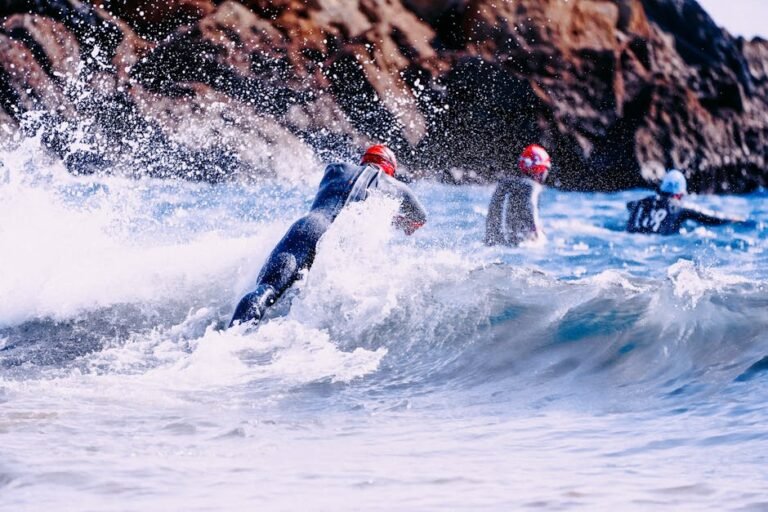
Three hundred meters into the ocean swim, saltwater began seeping into my left eye cup. Because the frame was designed for a much narrower face, the rigid plastic bridge dug violently into the bridge of my nose. By the 800-meter mark, the cheap lenses had completely fogged over. I was swimming blind, in severe pain, and swallowing seawater. I ended up dog-paddling to a safety kayak, ripping the goggles off, and finishing the swim with bare, burning eyes.
If there is one absolute truth in wild swimming, it is this: You can compromise on your swimsuit, and you can even compromise on your wetsuit brand, but you cannot compromise on your vision. At OpenWaterGoggles.com, we test for clarity, durability, and anti-fog performance so you can focus on your stroke, not your gear.
Walking into a swim shop or browsing online stores today is incredibly overwhelming. There are hundreds of models, endless lens colors, and aggressive marketing claims. How do you cut through the noise? In this definitive 2026 Buyer’s Guide, we are going to teach you exactly how to choose the right open water swimming goggles. We will break down the anatomy of a perfect fit, decode the complex science of lens tints, and arm you with the knowledge to make an investment that will transform your race day.
1. The Foundation: Mastering the Perfect Fit
The most technologically advanced, expensive goggles in the world are completely worthless if they do not fit your specific facial bone structure. A leaking goggle is a failed goggle. When we evaluate gear, we wear each pair for extended sessions of 60 minutes or more to test suction quality and frame flexibility, ensuring they remain comfortable without leaving deep marks. Here is how you can find that perfect seal yourself.
The Inner Socket vs. The Outer Orbital:
Goggles generally sit in one of two places. Low-profile racing goggles (often called “Swedes”) sit deep inside the eye socket. While this reduces hydrodynamic drag, it can become incredibly painful during a two-hour marathon swim. For open water, we highly recommend goggles with wider silicone gaskets that sit securely on the hard, outer orbital bone surrounding your eye. This distributes the pressure over a larger surface area, preventing “raccoon eyes” and tension headaches.
The “Dry Suction Test” Hack:
Before you buy any pair of goggles, you must perform the dry suction test. Make sure your face is completely dry. Take the goggles (without pulling the rubber strap over your head) and press the eye cups firmly against your face. If the silicone gaskets create a brief vacuum and the goggles stick to your face unassisted for two to three seconds, you have found a perfect match. If they instantly fall off, no amount of strap-tightening will stop the ocean from leaking in.
2. Lens Tint & Color Science: Decoding the Rainbow
Choosing a lens color is not a fashion statement; it is a tactical decision based entirely on your swimming environment. The tint of your lens dictates how much light reaches your eye and how well you can spot a neon orange navigation buoy from a mile away.
Clear & Light Blue Lenses:
These are your low-light warriors. If you are swimming in a dark, heavily shaded river, or if it is a gloomy, heavily overcast morning, clear lenses allow the maximum amount of light to enter. They provide natural, unfiltered vision.
Smoke & Mirrored Lenses:
Think of these as standard sunglasses. Smoke-tinted or mirrored lenses reduce overall brightness and are excellent for indoor swimming in highly illuminated pools or standard, sunny outdoor days. However, they do not actively cut through horizontal glare bouncing off the waves.
Polarized Lenses:
This is the ultimate upgrade for ocean and lake swimmers. Polarized lenses contain a chemical filter that actively blocks the blinding horizontal light waves reflecting off the water’s surface. If you are swimming directly into a rising sun, polarized lenses are a lifesaver. To understand the deep physics behind this, read our masterclass on Photochromic vs Polarized Swim Goggles.
3. The Profile: Racing Sleek vs. Open Water Masks
When selecting your gear, you must honestly assess your primary goal. Are you trying to shave 0.5 seconds off a 50-meter sprint, or are you trying to survive a 2.4-mile Ironman swim? Racing goggles are tested for hydrodynamics, while fitness models are evaluated for ease of adjustment and long-term wearability.
Low-Profile Racing Goggles:
These models are incredibly sleek. They sit close to the eye to minimize drag and prevent the goggles from flying off when you dive off a starting block. However, their peripheral vision is usually restricted. You will have to lift your head higher out of the water to sight a buoy, which drops your hips and slows you down.
The Open Water Mask:
Mask-style goggles are much larger. They hold a massive volume of air inside the lens chamber, which significantly dilutes the humidity generated by your face, making them naturally more resistant to fogging. Most importantly, they offer 180-degree panoramic vision. You can see the competitors thrashing next to you without turning your head. For 90% of open water swimmers, a larger mask-style frame is the superior choice.
4. Combating the Fog (The Ultimate Enemy)
A perfectly fitting, beautifully tinted pair of goggles will still ruin your day if it fogs up. Fog is caused by the temperature differential between the hot, sweaty skin of your face and the freezing cold water pressing against the outside of the plastic lens.
While all goggles come with a factory anti-fog coating, not all coatings are created equal. If you are serious about maintaining clear vision, you must look for advanced chemical treatments. Brands like Arena have revolutionized the industry with “Swipe” technology, allowing you to reactivate the coating mid-swim simply by rubbing the lens.
Furthermore, taking care of your gear is non-negotiable. If you touch the inside of a standard lens with your sandy fingers, you will permanently destroy the anti-fog layer. We highly recommend investing in premium swim goggle accessories like a hard-shell protective case and a reef-safe anti-fog spray to drastically extend the life of your equipment.
5. Straps, Adjustments, and Quick Fixes
Finally, we must look at the harness that holds the whole system together. A complex strap adjustment system is a nightmare when your hands are freezing cold and slippery.
Look for goggles that feature a “split strap” design at the back of the head. This allows you to position one strap high on the crown of your head and one lower down the neck, locking the goggles securely in place. If you are buying swimming goggles for kids, always opt for an “easy-plug” buckle system at the back of the head to prevent hair-pulling.
For adults, our absolute favorite modification is replacing the factory rubber strap with a woven bungee cord. Bungee cords distribute tension far more evenly, never snap unexpectedly, and can be adjusted with one hand in a fraction of a second while you are treading water.
The Final Verdict: Your Swim, Your Way
Finding the perfect open water swimming goggles is a deeply personal journey. Every face is uniquely asymmetrical, and every swimmer’s tolerance for pressure is different.
Do not wait until the night before your massive triathlon to test a new pair of goggles. Use our rigorous testing standards: perform the dry suction test in your living room, consider the lighting conditions of your race to choose the right tint, and demand high-quality anti-fog technology.
When you finally find that perfect pair—the one that seals like a vault, feels like a cloud, and lets you see the ocean with crystal clarity—buy two of them. Keep one as your daily training workhorse, and keep the other sealed in a dark, cool place exclusively for race day. Trust your gear, focus on your open water swim workouts, and go conquer the wild water.
What is the difference between pool goggles and open water goggles?
Pool goggles are typically smaller, ultra-hydrodynamic, and designed for short, fast races in clear, temperature-controlled water. Open water goggles have larger silicone gaskets for long-distance comfort, wider peripheral vision to spot navigation buoys, and heavier UV or polarized protection against the sun.
How tight should my swim goggle straps be?
The strap should only be tight enough to keep the goggles from falling off your head when you dive in. The actual waterproofing comes entirely from the silicone gasket sealing against your skin. Over-tightening the straps will distort the frame and actually cause leaks.
Why do my goggles always leave deep red marks around my eyes?
Deep red marks, often called ‘raccoon eyes,’ mean you are wearing a frame that is too small for your facial structure, forcing the hard plastic into your soft inner eye socket. You need to upgrade to a mask-style goggle that rests on the hard outer orbital bone.
Do I need mirrored lenses for cloudy days?
No. Mirrored and polarized lenses are designed for bright, sunny conditions. If you are swimming on a heavily overcast day or in a dark lake at dawn, you should wear clear, light blue, or yellow-tinted lenses to maximize the available light.
Disclaimer: OpenWaterGoggles.com is a member of the Amazon Associates program and earns from qualifying purchases. When you purchase new swim gear through our carefully selected links, we earn a commission at no additional cost to you.