Training & Mindset
Dryland Training for Open Water Swimmers: Strength, Mobility & Core Guide
Open water swimming is not only about time in the water. A simple dryland routine can help you build stronger shoulders, better core stability, improved posture, and more control when swimming through waves, chop, current, and long-distance fatigue.
This guide explains how open water swimmers can use dryland training for strength, mobility, injury prevention, breathing control, and more confident race-day movement.
Quick Answer: What Dryland Training Should Open Water Swimmers Do?
Open water swimmers should focus on shoulder strength, upper-back stability, core control, hip mobility, breathing control, and light injury-prevention work. You do not need a complicated gym program. A consistent 20–30 minute routine, two or three times per week, is enough for many recreational swimmers.
Core Stability
Helps you hold body position, rotate efficiently, and avoid wasting energy during long swims.
Shoulder Strength
Supports the repeated pulling motion of freestyle and helps reduce fatigue in longer open-water sessions.
Mobility
Keeps your shoulders, thoracic spine, hips, and ankles moving well so your stroke feels smoother.
Why Dryland Training Matters for Open Water Swimming
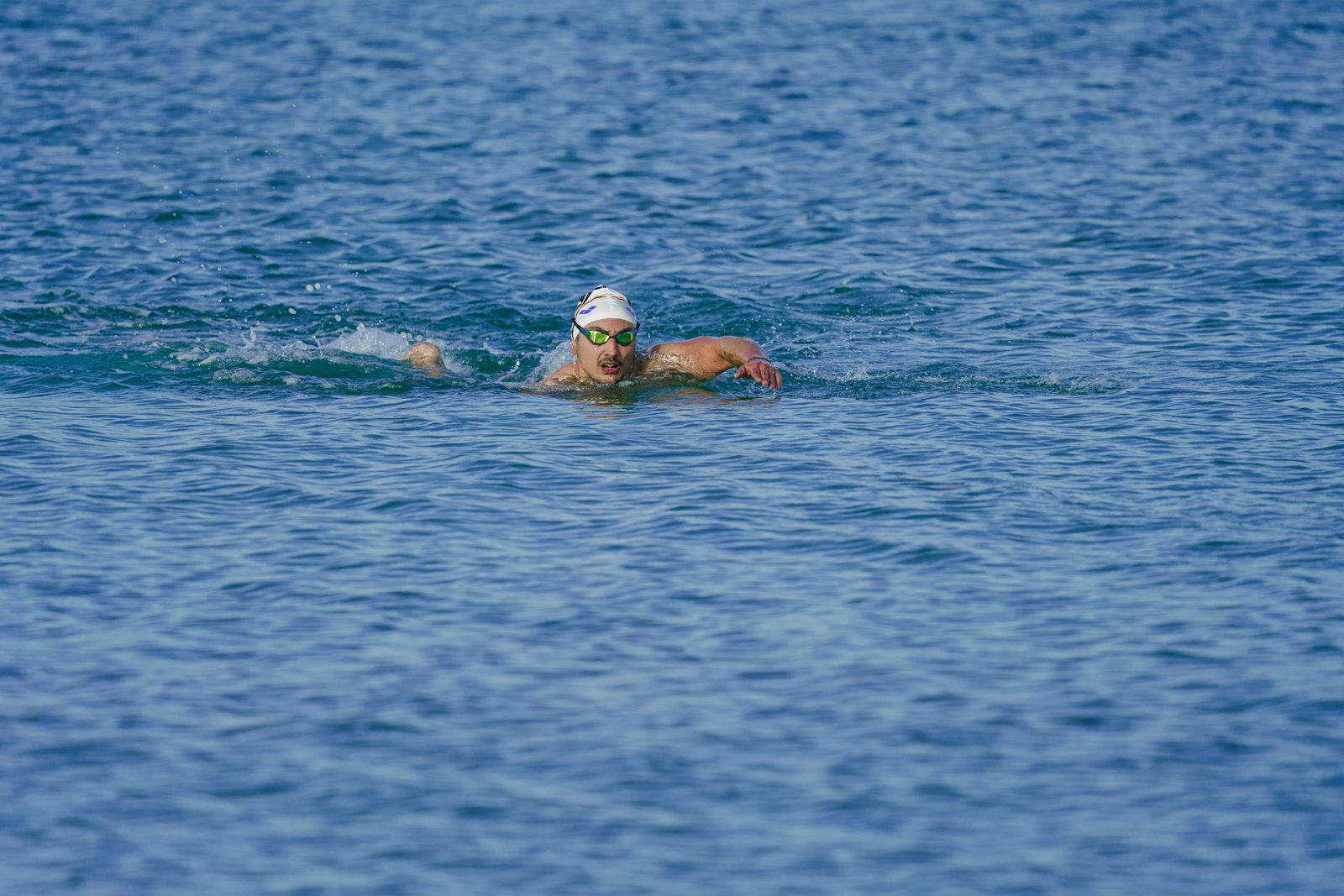
Pool swimming already requires strength and technique, but open water adds extra challenges. You may need to sight forward, handle waves, maintain balance in chop, swim around other athletes, and stay relaxed during long continuous efforts.
Dryland training helps build the strength and control needed for those demands. The goal is not to become a bodybuilder. The goal is to become a more durable, stable, and efficient swimmer.
| Open Water Challenge | Dryland Focus | Why It Helps |
|---|---|---|
| Long continuous swimming | Core and shoulder endurance | Helps maintain form when tired |
| Waves and chop | Rotational stability | Improves balance and body control |
| Sighting buoys | Upper-back and neck control | Helps lift the eyes without disrupting rhythm |
| Race-day contact | Shoulder stability | Supports the joint during unpredictable movement |
| Cold or tense starts | Breathing and mobility | Helps reduce stiffness and early swim panic |
Simple Weekly Dryland Routine for Open Water Swimmers
A good dryland plan should be simple enough to repeat. For most recreational open water swimmers, two or three short sessions per week work better than one long, exhausting workout.
| Day | Focus | Example Session | Time |
|---|---|---|---|
| Day 1 | Core + shoulders | Plank, dead bug, band pull-aparts, external rotations | 20–30 min |
| Day 2 | Mobility + breathing | Thoracic rotations, shoulder mobility, hip mobility, controlled breathing | 15–25 min |
| Day 3 | Strength endurance | Rows, push-up variation, glute bridge, side plank, swim cords | 25–35 min |
Core Exercises for Open Water Swimmers
Your core helps connect the pull, rotation, kick, and breathing pattern. In open water, it also helps you stay balanced when waves, chop, or sighting disrupt your rhythm.
Front Plank
Builds basic trunk stability. Keep the ribs down, glutes lightly engaged, and avoid sagging through the lower back.
- 2–3 sets
- 20–45 seconds per set
- Stop before form breaks
Side Plank
Helps with rotational control, which is important for freestyle body roll and open-water balance.
- 2–3 sets each side
- 15–40 seconds per side
- Keep hips stacked
Dead Bug
Teaches core control while arms and legs move, similar to maintaining body position during swimming.
- 2–3 sets
- 6–10 reps each side
- Move slowly and breathe
Bird Dog
Builds cross-body control and stability without heavy loading.
- 2–3 sets
- 6–10 reps each side
- Keep hips level
Shoulder and Upper-Back Strength for Swimmers
Open water swimmers repeat thousands of strokes during training and events. Strong shoulders matter, but stable shoulders matter even more. Focus on controlled movement, upper-back strength, and rotator cuff support.
Resistance Band External Rotation
Helps support the rotator cuff. Use light resistance and keep the movement controlled.
- 2–3 sets
- 10–15 reps each side
- Keep elbow close to body
Band Pull-Aparts
Strengthens the upper back and helps balance the forward posture many swimmers develop.
- 2–3 sets
- 12–20 reps
- Move with control
Rows
Rows help build pulling strength and upper-back endurance. Use a cable, dumbbells, or resistance band.
- 2–4 sets
- 8–12 reps
- Do not shrug shoulders
Scapular Push-Ups
Builds control around the shoulder blades without needing heavy load.
- 2–3 sets
- 8–12 reps
- Keep elbows straight
Mobility and Injury-Prevention Work
Mobility work helps you move better before and after swimming. It is especially useful for swimmers with stiff shoulders, tight upper backs, or limited rotation.
Thoracic Rotation
Improves upper-back rotation, which supports smoother breathing and body roll.
- 1–2 sets
- 6–10 reps each side
- Move slowly
Wall Angels
Helps shoulder mobility and posture. Keep ribs down and move only through a comfortable range.
- 1–2 sets
- 8–12 reps
- Do not force range
Hip Flexor Stretch
Helps counter long sitting and can improve body position and kicking comfort.
- 30–45 seconds each side
- Keep pelvis controlled
- Do not arch lower back
Lat Stretch
Helps reduce tightness along the side body and supports overhead reach.
- 30–45 seconds each side
- Breathe slowly
- Avoid shoulder pinching
Breathing and Body-Position Drills
Open water swimming can feel stressful because breathing is affected by waves, cold water, crowded starts, and sighting. Dryland breathing drills can help swimmers stay calmer and more controlled before entering the water.
Box Breathing
Use this before training or race starts to calm the nervous system.
- Inhale for 4 seconds
- Hold for 4 seconds
- Exhale for 4 seconds
- Hold for 4 seconds
Long Exhale Practice
Helps swimmers avoid breath-holding, which can increase tension in the water.
- Inhale comfortably
- Exhale slowly for 6–8 seconds
- Repeat for 2–4 minutes
- Keep shoulders relaxed
For race anxiety, read our guide to dealing with pre-race nerves before open water swimming.
Beginner Dryland Routine
This beginner routine is designed for swimmers who want a simple, low-risk starting point. Perform it two times per week on non-consecutive days.
| Exercise | Sets | Reps / Time | Focus |
|---|---|---|---|
| Front plank | 2 | 20–30 seconds | Core stability |
| Dead bug | 2 | 6 reps each side | Core control |
| Band external rotation | 2 | 10 reps each side | Shoulder support |
| Band pull-aparts | 2 | 12 reps | Upper-back strength |
| Thoracic rotations | 1–2 | 6 reps each side | Mobility |
| Long exhale breathing | 1 | 2 minutes | Relaxation |
Intermediate Dryland Routine
This routine is better for swimmers who already train consistently and want more strength endurance. Use it two or three times per week, depending on swim volume.
| Exercise | Sets | Reps / Time | Focus |
|---|---|---|---|
| Side plank | 3 | 20–40 seconds each side | Rotational control |
| Bird dog | 3 | 8 reps each side | Cross-body stability |
| Resistance band row | 3 | 10–15 reps | Upper-back strength |
| Scapular push-up | 2–3 | 8–12 reps | Shoulder blade control |
| Band external rotation | 3 | 12 reps each side | Rotator cuff support |
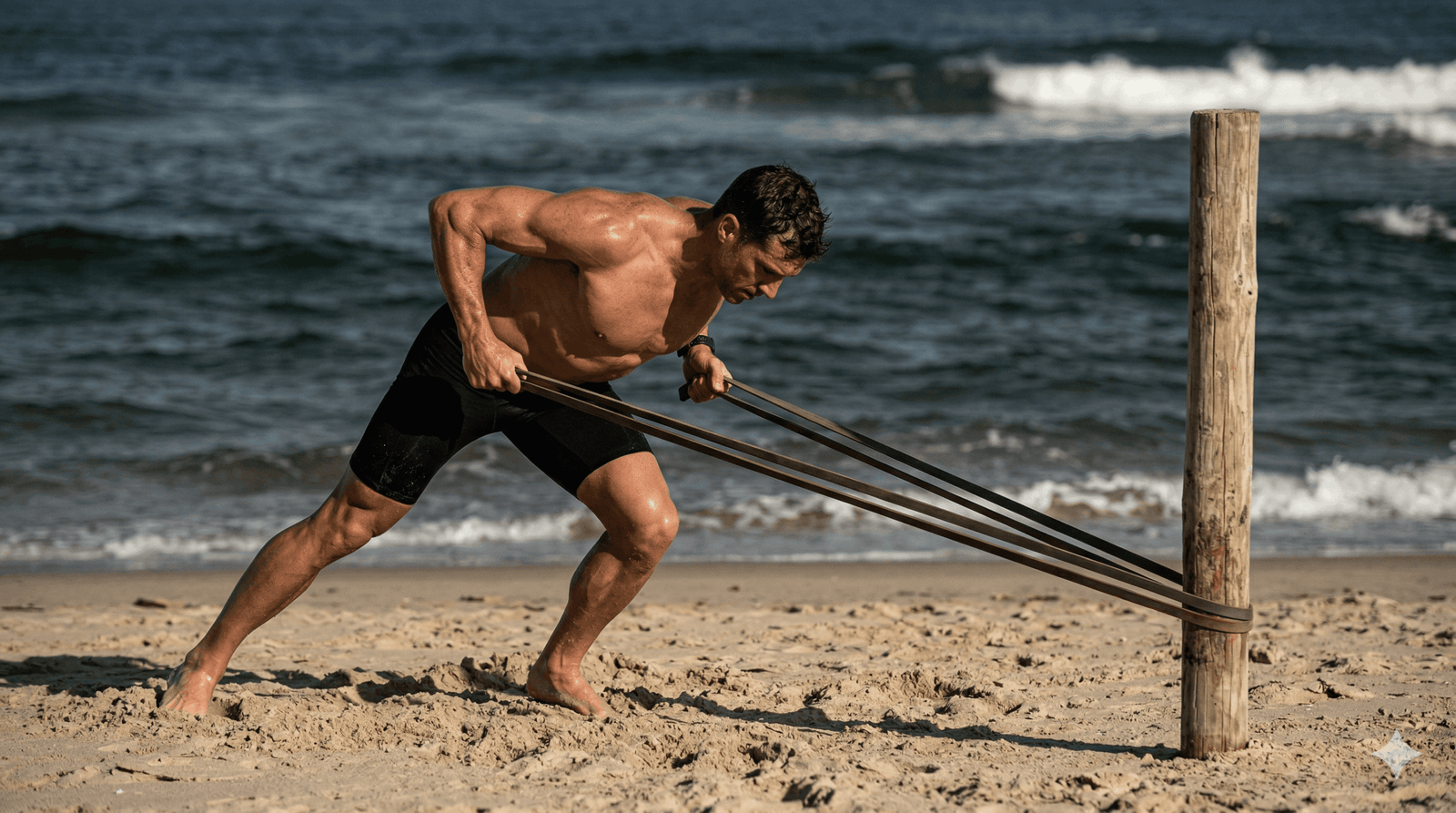
| Swim cords or band freestyle pull | 2–3 | 20–30 seconds | Stroke-specific endurance |
Optional Dryland Gear
You can do many dryland exercises with bodyweight only. A few simple tools can make training easier, but none are required to start.
Resistance Bands
Useful for shoulder rotations, rows, pull-aparts, and light activation work.
Foam Roller
Useful for general recovery and mobility routines, especially around the upper back and lats.
Swim Cords
Useful for light stroke-specific activation and strength endurance when used carefully.
Common Dryland Training Mistakes
Avoid these mistakes:
- Doing heavy shoulder workouts before key swim sessions
- Adding too many exercises too quickly
- Ignoring pain and calling it normal soreness
- Training only chest and arms while neglecting upper back
- Skipping mobility because it feels less important than strength
- Using swim cords with too much resistance
- Copying elite athlete routines without adapting to your level
Frequently Asked Questions
How often should open water swimmers do dryland training?
Many recreational open water swimmers do well with two or three short dryland sessions per week. The routine should support swimming, not make you too sore to swim well.
What is the best dryland exercise for swimmers?
There is no single best exercise. Core stability, shoulder external rotations, rows, side planks, and mobility drills are all useful for open water swimmers.
Should swimmers lift heavy weights?
Some swimmers benefit from strength training, but heavy lifting should be programmed carefully around swim volume and experience. Beginners should start with bodyweight, bands, and controlled movement.
Can dryland training prevent shoulder injuries?
Dryland training may help improve strength, stability, and mobility, but it cannot guarantee injury prevention. If you have pain, consult a qualified health or sports professional.
Should I do dryland before or after swimming?
Light activation and mobility can be done before swimming. Strength sessions are often better after swimming or on separate days so they do not reduce swim quality.
Do open water swimmers need different dryland training than pool swimmers?
The basics are similar, but open water swimmers should pay extra attention to core control, sighting posture, shoulder stability, breathing control, and long-duration fatigue resistance.
Final Verdict
Dryland training for open water swimmers should be simple, consistent, and focused on practical swimming needs. Prioritize core stability, shoulder support, upper-back strength, mobility, and breathing control.
Start with two short sessions per week and build slowly. The best dryland routine is not the hardest one — it is the one that helps you swim more comfortably, hold better form, and stay durable through training and race season.
Next Step
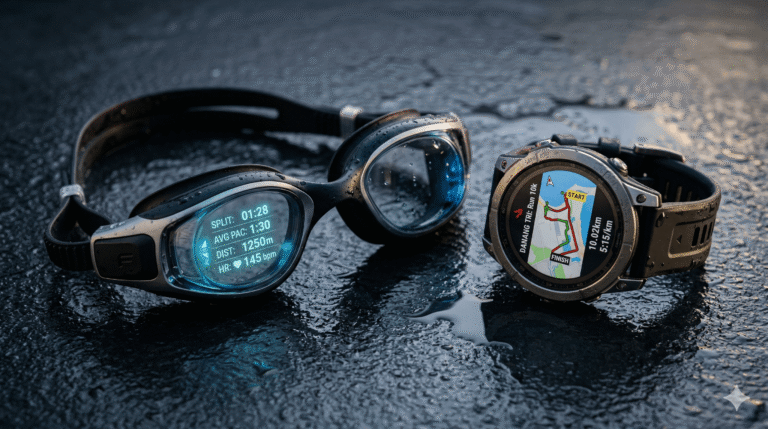
If you are preparing for longer open-water events, combine dryland training with the right race-day goggles, tracking tools, and a consistent swim plan.