Clear vs Smoke vs Mirrored Swim Goggles: The Lens Decision That Changes Your Whole Swim
Most swimmers do not choose the wrong goggles because the frame is bad. They choose the wrong lens for the light. A clear lens that feels perfect at 6:15 a.m. can become exhausting by the second buoy when the sun lifts off the water. A mirrored lens that looks fast in transition can turn a cloudy lake into a dark tunnel. This guide is about matching the lens to the swim you are actually about to do.
Affiliate disclosure: This article contains affiliate links. As an Amazon Associate, OpenWaterGoggles.com may earn from qualifying purchases. This does not change the price you pay or influence our editorial recommendations.
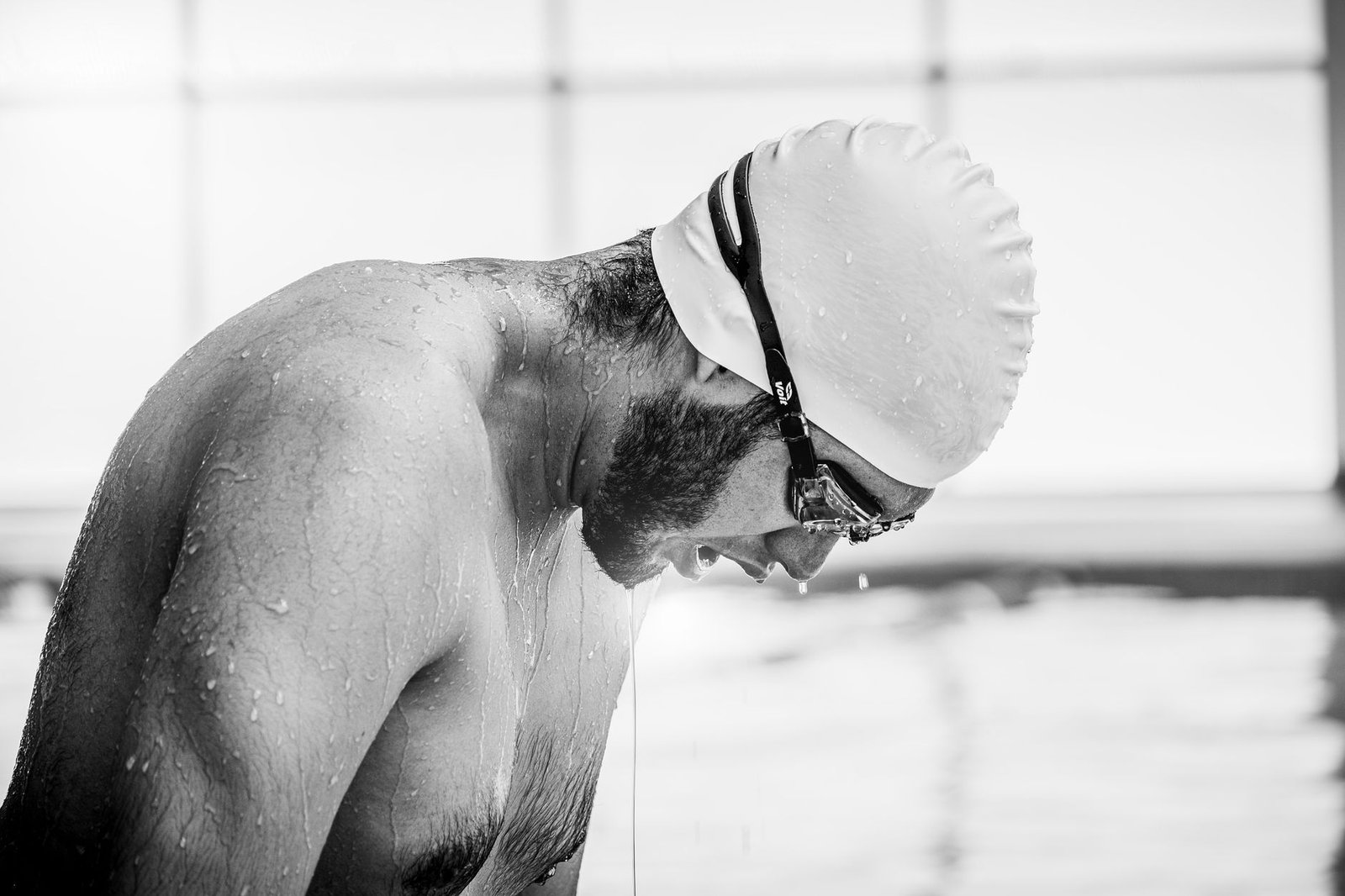
Lens choice matters most in the first ten minutes of an open-water swim, when your eyes are adjusting, your heart rate is high and sighting mistakes feel bigger than they are.
The quick answer
Clear lenses are best for low light, dawn starts, indoor pools and dark cloudy water. Smoke lenses are the safest all-around option for mixed outdoor conditions. Mirrored lenses are best when bright sun, surface sparkle and eye fatigue are the main problems.
For most open-water swimmers, the best setup is not one perfect pair. It is a two-pair system: one lighter lens for low visibility and one darker or mirrored lens for sun. That simple backup choice prevents more race-morning stress than any last-minute anti-fog trick.
How each lens feels in real water
Clear lenses
Clear lenses feel honest. What you see is close to the actual water and sky. They are calm in shaded coves, early starts and rainy lake swims, but they can feel harsh when the sun bounces off chop.
Smoke lenses
Smoke lenses take the edge off brightness without changing the world too much. They are the practical middle ground for swimmers who train in different conditions and do not want to overthink every session.
Mirrored lenses
Mirrored lenses feel protective in hard sun. They reduce brightness and help your eyes relax, especially during long sighting stretches. The tradeoff is that they can become too dark when weather turns flat.
Clear vs smoke vs mirrored: side-by-side
| Lens type | Best conditions | What it feels like | Common mistake |
|---|---|---|---|
| Clear | Dawn swims, overcast mornings, indoor pool, shaded lakes | Bright, natural, easy to read buoys in low light | Using it in strong sun and ending the swim with tired, squinting eyes |
| Smoke | Mixed outdoor training, moderate sun, unpredictable weather | Balanced, comfortable, not overly dark | Assuming smoke will handle severe ocean glare as well as mirrored or polarized lenses |
| Mirrored | Bright lakes, beach starts, sunny triathlons, long open stretches | Cooler, shaded, less eye strain in glare | Wearing it for a grey sunrise start and struggling to see the first buoy |
The race-morning lens test
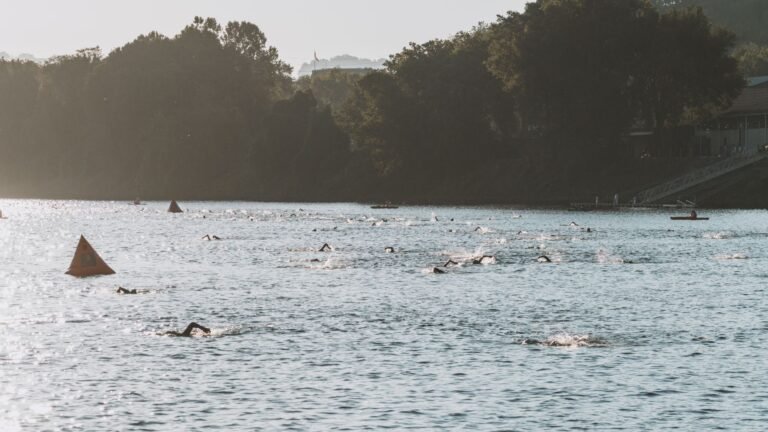
Stand near the water, not beside your car. Light changes at the shoreline. A lens that seems fine in the parking lot can feel completely different once you face the course, especially if the first turn buoy sits in line with the rising sun.
Put the goggles on and look toward the first buoy or the closest landmark. Then look sideways across the surface. If you immediately squint, go darker. If the buoy looks like a shadow, go lighter. This thirty-second check is more useful than reading another spec label.
Use this simple rule
- Can barely see the buoy? Choose clear or amber/light smoke.
- Can see, but the water sparkles hard? Choose smoke, mirrored or polarized.
- Sun is directly in your sighting line? Use mirrored or polarized if you have it.
- Weather could change? Put the second pair in your race bag.
When clear lenses are the right choice
Clear lenses are underrated because they do not look exciting. But on a dark morning, they can be the difference between swimming calmly and feeling like you are aiming at vague shapes. They work especially well for swimmers who start before sunrise, train in tree-lined lakes or swim in cloudy northern weather.
The downside appears when the sun arrives. Clear lenses do not give your eyes much rest. In a long open-water session, that can lead to subtle tension: you lift your head too long, blink more often and sight less smoothly.
Best clear-lens use case
A cool dawn lake swim where the first half of the session happens under grey light and your main priority is seeing buoys, kayaks and other swimmers clearly.
When smoke lenses make the most sense
Smoke lenses are the dependable middle lane. They are not as bright as clear lenses and not as protective as mirrored lenses, but they forgive changing conditions. If you only want one pair in your swim bag, a comfortable smoke lens is often the least risky choice.
Smoke is especially useful for regular open-water training, where you might swim under cloud one week and mild sun the next. It is also a good option for swimmers who find mirrored lenses too dark but still want some relief from brightness.
Best smoke-lens use case
A weekend training swim that starts under soft light, turns brighter after twenty minutes and does not involve extreme ocean glare.
When mirrored lenses are worth it
Mirrored lenses are not just about looking race-ready. In the right conditions, they reduce the constant brightness that makes swimmers tense their face without noticing. That matters in ocean swims and sunny lakes because relaxed eyes usually mean calmer sighting.
The tradeoff is darkness. A mirrored lens that feels perfect at noon can feel heavy at a 6:30 a.m. start. For races, mirrored goggles should usually travel with a lighter backup pair.
Arena Cobra Tri Swipe Mirror
The Arena Cobra Tri Swipe Mirror makes sense for swimmers who want a compact race feel, a mirrored lens for bright conditions and a low-profile frame for triathlon starts. It is not the softest casual training goggle, but it fits the job when speed, sighting discipline and glare control matter.
A practical two-goggle system
The most experienced race bags are usually boring. They do not rely on one heroic pair of goggles. They carry one main pair and one backup with a different lens. That is the easiest way to handle weather without panic.
Setup for most swimmers
Main pair: smoke or mirrored, depending on your usual sun exposure.
Backup pair: clear or lighter smoke, especially for early starts.
Setup for sunny ocean races
Main pair: mirrored or polarized for glare and eye fatigue.
Backup pair: smoke, in case cloud cover makes the mirrored lens too dark.
Need a broader buying framework? Start with the open-water goggle buying guide, then compare lens technology in the photochromic vs polarized guide.
Lens choice by swim scenario
| Scenario | Safest lens choice | Why |
|---|---|---|
| Pre-sunrise lake swim | Clear or amber/light smoke | You need maximum visibility more than glare control. |
| Cloudy but bright open water | Smoke | Enough shading for comfort without making buoys disappear. |
| Sunny beach start | Mirrored or polarized | Surface glare and low-angle light can make sighting tiring. |
| Long triathlon swim with uncertain weather | Smoke main pair + clear backup | Gives you flexibility without overpacking. |
| Outdoor pool training | Smoke or mirrored | Depends on whether the sun is overhead or directly in your lane line. |
Common lens mistakes that ruin an otherwise good pair
Mistake 1: Buying mirrored goggles because they look fast, then wearing them for low-light starts.
Mistake 2: Using clear lenses in bright chop and blaming poor sighting on fitness.
Mistake 3: Treating smoke lenses as glare killers. Smoke reduces brightness, but polarized lenses are better when reflected glare is the real enemy.
Mistake 4: Testing lenses at home instead of looking toward the actual course line on race morning.
Final recommendation
Choose clear lenses when the world is dim, smoke lenses when conditions are mixed and mirrored lenses when the sun is the problem. That sounds simple, but it becomes powerful when you stop asking, “Which lens is best?” and start asking, “What will the first buoy look like from the water?”
For a single everyday pair, smoke is the safest middle ground. For racing, carry two options. The small effort of packing a lighter or darker backup pair can save your swim before it even starts.
Related guides