Training & Technology
Open-water swimming is harder to measure than pool swimming. There are no lane lines, no walls, and no pace clock. A good swim app or tracking device can help you understand your route, distance, pace, heart rate, stroke rate, and overall progress.
In this guide, we compare swim tracking apps and technology for pool swimmers, open-water swimmers, triathletes, and athletes who want better feedback from every session. We cover route tracking, GPS, workout planning, smartwatch workflows, free options, and real-time swim data.
Quick Picks: Best Swim Tracking Apps & Technology
Best Real-Time Swim Data
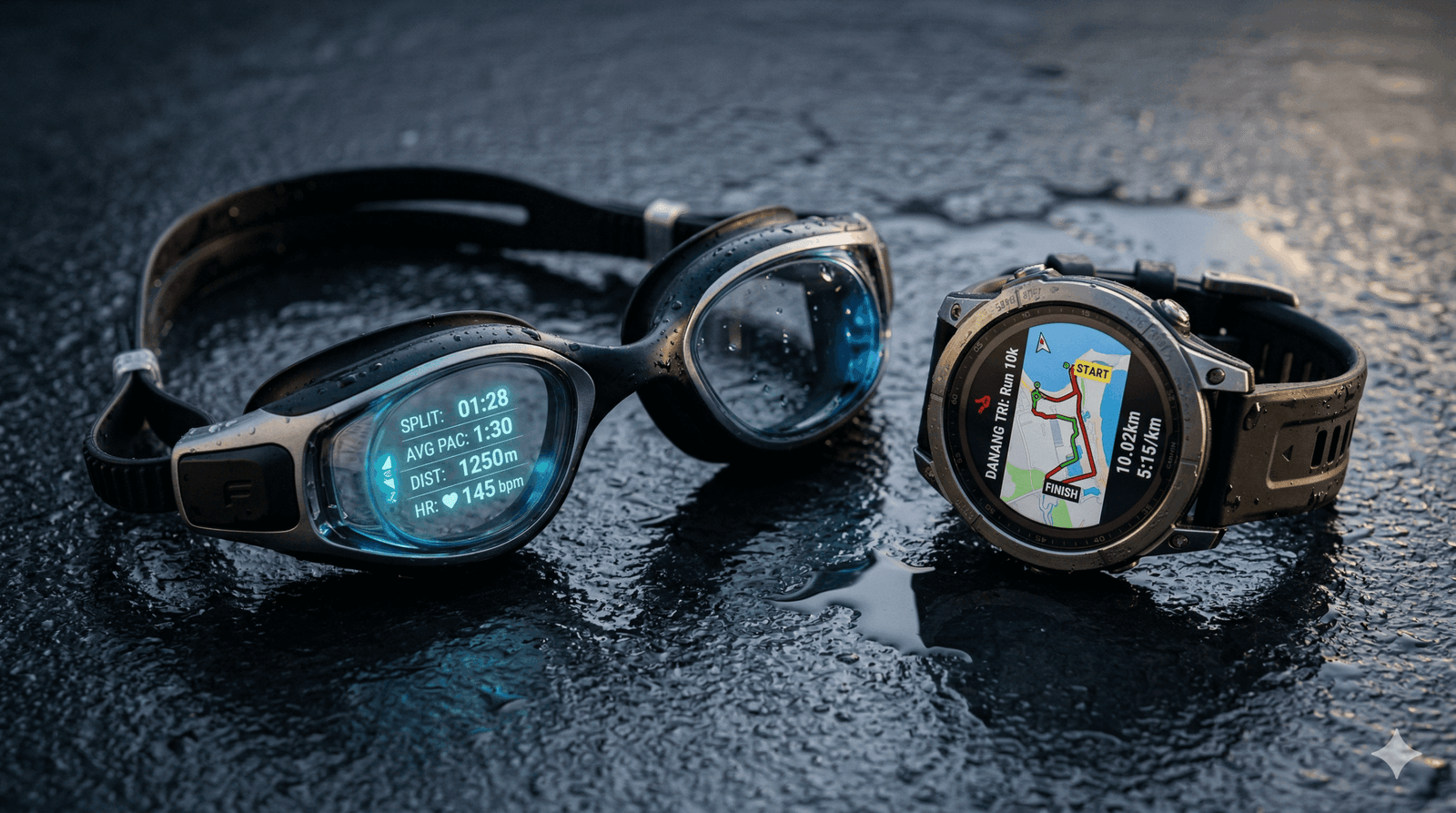
FORM Swim App + FORM Smart Swim 2
Best for swimmers who want pace, distance, heart rate, and workout data visible while swimming.
Best for Triathlon Coaching
TrainingPeaks
Best for triathletes working with structured training plans, coaches, training load, and race preparation.
Best Free / Social Tracking
Strava
Best for mapping open-water routes, reviewing GPS tracks, joining challenges, and staying motivated.
Comparison Table: Best Swim Tracking Apps
Use this table to quickly compare the top swim apps and technology platforms by best use, key feature, and ideal swimmer.
| App / Platform | Best For | Key Strength | Best Setup | Link |
|---|---|---|---|---|
| FORM Swim App | Real-time swim data | In-goggle metrics with FORM Smart Swim 2 | FORM Smart Swim 2 + compatible watch | Check FORM |
| TrainingPeaks | Triathlon coaching | Training load, planning, coach review | GPS watch + TrainingPeaks account | Visit App |
| MySwimPro | Guided swim workouts | Structured workouts and swim technique feedback | Smartwatch + MySwimPro app | Visit App |
| Strava | Route mapping and community | GPS route review, segments, social motivation | GPS watch or phone in safety buoy | Visit App |
| Swim.com | Free swim analytics | Swim-focused tracking and smartwatch compatibility | Smartwatch + Swim.com app | Visit App |
How We Chose These Swim Apps and Technologies
Open-water tracking is more difficult than pool tracking because GPS signals, stroke detection, route mapping, water conditions, and wearable placement all affect accuracy. A good app should help swimmers understand useful patterns without making the data feel overwhelming.
Our recommendations use open-water and swim-training use cases, the functionality described in the source material, smartwatch workflows, training value, and how useful each platform is for swimmers who want to improve. We do not present every app as personally tested in every device ecosystem.
Compatibility note: App features, subscriptions, watch support, and sync options can change. Confirm current compatibility with your Apple Watch, Garmin, COROS, Android device, or other hardware before subscribing.
We compared each platform based on:
- Open-water route tracking and GPS usefulness
- Swim-specific metrics such as pace, stroke rate, SWOLF, and distance
- Smartwatch and wearable compatibility
- Usefulness for triathlon training and coaching
- Ease of understanding the data after each swim
- Workout planning and progress tracking features
- Community, motivation, and sharing features
- Value for beginners, regular swimmers, and serious athletes
This guide focuses on app and technology selection. For goggles themselves, see our swim goggles review process and our open-water goggles buying guide.
Why Open-Water Swim Tracking Is Hard
In a pool, tracking is easier because the distance is fixed and the environment is predictable. In open water, distance and pace depend on GPS accuracy, currents, waves, sighting, and how consistently your device stays connected to satellites.
A wrist-based GPS watch may briefly lose signal when your arm is underwater during freestyle. Most modern watches and apps estimate your route by combining GPS points with motion data. This is useful, but it also means open-water tracking should be treated as a training guide rather than a perfect measurement.
What Apps Track Well
- Overall distance trends
- Approximate route shape
- Average pace
- Heart-rate patterns when supported
- Training consistency over time
What Can Be Less Accurate
- Exact GPS path in choppy water
- Instant pace during freestyle
- Stroke metrics if watch placement is poor
- Distance if the device loses signal
- Heart rate if the sensor does not work well in water
GPS Tracking vs Pool Lap Tracking
Open-water swimming and pool swimming are measured differently. Open-water tracking relies heavily on GPS and motion data, while pool tracking usually depends on a known pool length plus turn and stroke detection.
| Tracking Type | Best For | Main Limitation |
|---|---|---|
| Open-water GPS | Route, distance, average pace, navigation review | Signal can be imperfect when a wrist repeatedly goes underwater |
| Pool lap tracking | Lengths, intervals, pace, stroke metrics, SWOLF | Accuracy depends on correct pool length and reliable turn detection |
| Phone in a buoy | Simple surface GPS route tracking | Does not capture wrist-based stroke metrics |
Best Swim Tracking App by Goal
Best for Open-Water GPS Tracking
Strava is the simplest option in this list for reviewing open-water GPS routes and keeping a multi-sport activity history. The quality of the route still depends heavily on the recording device.
Best for Pool Workouts
MySwimPro is the most workout-oriented option in this guide, while Swim.com is a simpler choice for swim-focused history and analytics.
Best for Triathlon Training
TrainingPeaks is the strongest planning platform here when swim sessions need to sit alongside bike and run training.
Best for Real-Time Swim Data
FORM Swim App with FORM Smart Swim 2 is the hardware-assisted option for swimmers who want workout data visible while swimming.
The 5 Best Swim Tracking Apps & Technology
Best Overall for Real-Time Data
1. FORM Swim App + FORM Smart Swim 2

The FORM Swim App is the best option for swimmers who want to see training data while they swim. When paired with FORM Smart Swim 2 goggles, swimmers can view metrics inside the lens instead of stopping to check a watch.
This makes FORM especially useful for triathletes, structured training, pacing practice, and swimmers who want feedback during the session rather than only afterward.
Pros
- Real-time metrics visible in the goggles
- Useful for pacing and structured workouts
- Good option for triathlon training
- Can reduce the need to stop and check a watch
- Strong app integration with smart swim hardware
Cons
- Requires FORM hardware for the main experience
- More expensive than app-only tracking
- More technology than casual swimmers may need
- Requires charging and setup
Who Should Use It
- Triathletes
- Data-focused swimmers
- Swimmers working on pacing
- People who want metrics without checking their wrist
Who Should Skip It
- Budget-focused swimmers
- Casual swimmers who only need basic distance
- People who dislike charging wearable devices
- Swimmers who prefer simple app-only tracking
Verdict: Best for swimmers who want real-time data during workouts instead of only reviewing metrics after the swim.
Best for Triathlon Coaching
2. TrainingPeaks
TrainingPeaks is best for swimmers who are training as part of a larger endurance plan. It does not replace a GPS watch, but it is excellent for planning workouts, reviewing training load, and sharing data with a coach.
For triathletes, the main advantage is that swim data can sit alongside bike and run workouts, making it easier to manage total training stress and race preparation.
Pros
- Excellent for triathlon and endurance planning
- Useful for coach-athlete communication
- Tracks training load over time
- Works well with GPS watch uploads
- Good for race preparation and structured plans
Cons
- Does not directly track your swim by itself
- Needs data from a watch or other device
- Can feel complex for casual swimmers
- Best features may require a paid plan or coach setup
Who Should Use It
- Triathletes
- Swimmers working with a coach
- Athletes managing swim, bike, and run training
- People following structured race plans
Who Should Skip It
- Casual swimmers who only want route tracking
- People without a GPS watch or training device
- Swimmers who dislike detailed training analysis
- Beginners who want a simple free app
Verdict: Best for triathletes and coached athletes who want swim data to fit into a complete endurance training plan.
Best for Guided Swim Workouts
3. MySwimPro
MySwimPro is a strong choice for swimmers who want guided workouts, technique-focused training, and structured swim improvement. It is especially useful if you want more than a simple GPS route map.
The app works well for swimmers who train in both pool and open-water settings and want a plan that keeps them consistent.
Pros
- Guided swim workouts and training plans
- Useful for technique improvement
- Good smartwatch integration
- Helpful for pool-to-open-water progression
- More coaching-oriented than basic tracking apps
Cons
- Not focused only on open-water swimming
- Some features may require a subscription
- Best experience depends on watch compatibility
- May be more structured than casual swimmers need
Who Should Use It
- Swimmers who want guided workouts
- People improving freestyle technique
- Beginners progressing toward open water
- Swimmers who like structured plans
Who Should Skip It
- Swimmers who only want GPS route maps
- People who do not want a subscription
- Athletes already following a coach plan
- Users who prefer simple social tracking
Verdict: Best for swimmers who want guided workouts and technique-focused improvement, not just GPS tracking.
Best for Route Mapping and Community
4. Strava
Strava is one of the easiest apps to recommend for swimmers who want route mapping, social motivation, and a simple way to review outdoor activity history.
For open-water swimmers, Strava is especially useful for reviewing GPS routes, seeing where you drifted off line, and comparing sessions over time.
Pros
- Excellent community and motivation features
- Useful route mapping for open water
- Works with many GPS watches
- Good for reviewing swim path and consistency
- Simple interface for multi-sport athletes
Cons
- Less swim-specific than dedicated swim apps
- Detailed analytics may be limited compared with coaching platforms
- GPS accuracy depends on device placement
- Some advanced features require a paid subscription
Who Should Use It
- Open-water swimmers who want route maps
- Swimmers who enjoy social motivation
- Triathletes who track multiple sports
- People who want simple progress history
Who Should Skip It
- Swimmers who need advanced swim coaching
- People who want in-goggle metrics
- Users who dislike social fitness platforms
- Athletes who need coach-level training load analysis
Verdict: Best for swimmers who want open-water GPS mapping, route history, and community motivation.
Best Free Swim Analytics
5. Swim.com
Swim.com is a strong option for swimmers who want swim-focused analytics without starting with an expensive platform. It is especially useful for swimmers who already use a compatible smartwatch.
It is a practical starting point for athletes who want to track workouts, review swim trends, and build consistency before moving into more advanced coaching tools.
Pros
- Swim-specific tracking platform
- Good option for budget-conscious swimmers
- Works with many smartwatch ecosystems
- Useful for workout history and progress review
- Simple starting point for swim analytics
Cons
- Less advanced than premium coaching platforms
- Best value depends on watch compatibility
- Open-water analytics may vary by device
- Not as social as Strava or as structured as MySwimPro
Who Should Use It
- Budget-conscious swimmers
- Swimmers who want basic analytics
- People already using a compatible smartwatch
- Beginners building training consistency
Who Should Skip It
- Triathletes needing coach-level planning
- Swimmers who want real-time in-goggle metrics
- People who prefer social leaderboards
- Advanced athletes needing deeper training load tools
Verdict: Best free-friendly swim analytics option for swimmers who want a simple way to track consistency and progress.
Apple Watch, Garmin and Other Swim-Tracking Setups
For many swimmers, the watch records the workout and the app organizes, analyzes, or shares it. The best app therefore depends partly on the device you already own and how reliably that device records pool or open-water swimming.
Apple Watch, Garmin, COROS, and other ecosystems can support different combinations of native swim recording, third-party apps, exports, or sync workflows. Because compatibility changes over time, confirm the current app and device support before paying for a subscription.
Free vs Paid Swim Apps
A free swim tracker can be enough if your main goal is activity history, route review, and basic workout records. Paid plans become more useful when you want structured training, deeper analytics, coaching workflows, or premium features.
Start Free If You Need
- Basic workout history
- Open-water route review
- Simple progress tracking
- A low-friction way to build consistency
Consider Paid Tools If You Need
- Structured swim plans
- Coach collaboration
- More advanced training analysis
- Specialized hardware or real-time data
Best Setup by Swimmer Type
| Swimmer Type | Best Tracking Setup | Why It Works |
|---|---|---|
| Beginner open-water swimmer | Strava + GPS watch or phone in safety buoy | Simple route mapping and progress history |
| Triathlete | TrainingPeaks + Garmin, Apple Watch, COROS, or similar device | Helps connect swim data with bike and run training |
| Data-focused swimmer | FORM Swim App + FORM Smart Swim 2 | Real-time metrics while swimming |
| Technique-focused swimmer | MySwimPro + smartwatch | Guided workouts and structured improvement |
| Budget swimmer | Swim.com + compatible watch | Good swim analytics without starting with a premium coaching platform |
Key Metrics Open-Water Swimmers Should Track
Distance and Route
Distance and route help you understand whether you are swimming straight, drifting off course, or adding unnecessary distance through poor sighting.
Pace
Pace helps you compare effort across sessions. In open water, use average pace trends rather than obsessing over instant pace.
Stroke Rate
Stroke rate shows how many strokes you take per minute. It can help you understand fatigue, turnover, and how your rhythm changes in chop or current.
Heart Rate
Heart-rate trends help you understand effort, pacing discipline, and whether you are starting too hard during open-water sessions or races.
SWOLF
SWOLF is a swim efficiency metric that combines time and stroke count. It is more useful in the pool, but trends can still help swimmers think about efficiency.
Consistency
The most useful metric is often consistency. Apps help you see whether you are swimming regularly and progressing over weeks or months.
Can You Track Open Water With a Phone in a Safety Buoy?
Yes, some swimmers track open-water routes by placing a smartphone in a waterproof compartment inside a tow buoy. Because the buoy stays on the surface, the phone may maintain a stronger GPS signal than a wristwatch that repeatedly goes underwater.
The tradeoff is that a phone in a buoy can track route and time, but it will not measure stroke rate, wrist motion, or body-based metrics the way a smartwatch can. It is a useful simple setup for route mapping, but not a complete training analytics solution.
Digital Tracking vs Physical Swim Logbook
Apps are excellent at recording what happened: pace, distance, route, heart rate, and workout history. A physical logbook can capture why it happened: how you slept, how cold the water felt, how anxious you were, and what technique cues helped.
Many swimmers get the best results by combining both. Use your app for objective data, then write a short note after each swim about conditions, mindset, gear, and what you want to improve next time.
Useful notes to record after open-water swims:
- Water temperature and weather
- Lens type and whether visibility felt good
- Any fogging, leaking, or goggle discomfort
- How often you sighted
- Whether you drifted off course
- Energy level, nerves, and breathing control
- One thing to improve in the next swim
Swim Tracking App vs Smart Goggles
A normal swim app is usually best for reviewing a workout after the session. Smart goggles add a different experience by putting selected metrics into your field of view while you swim.
Choose an App-First Setup If
- You already own a compatible GPS or swim watch
- You mainly review workouts afterward
- You want a lower-cost setup
- You prefer simple hardware
Consider Smart Goggles If
- You want selected metrics while swimming
- You do structured pacing work
- You are comfortable charging and configuring another device
- The extra hardware cost fits your training goals
Gear That Makes Swim Tracking Easier
The right app matters, but your tracking setup also depends on hardware. A smartwatch, smart goggles, swim buoy, and reliable goggles can all make open-water tracking more useful and less frustrating.
Smart Swim Goggles
FORM Smart Swim 2 is useful if you want real-time metrics in your line of sight.
Open-Water Goggles
Tracking data is easier to use when you can see clearly. Choose goggles that match your light, fit, and anti-fog needs.
GPS Smartwatch
A good GPS watch is often the foundation of open-water tracking, especially for route, distance, and pace review.
Swim Buoy
A tow buoy can improve visibility and may help carry a phone for simple route tracking in calm, safe conditions.
Frequently Asked Questions
What is the best swim app for open water tracking?
FORM is best for real-time in-goggle data, TrainingPeaks is best for triathlon coaching, Strava is best for route mapping and community, MySwimPro is best for guided workouts, and Swim.com is a strong free-friendly swim analytics option.
Can I track open-water swimming with my phone?
Yes, some swimmers place a phone in a waterproof compartment inside a safety buoy to track route and distance. This can work for GPS mapping, but it will not track stroke rate or wrist-based swim metrics.
Do I need a smartwatch for open-water swimming?
You do not need a smartwatch to swim safely, but a GPS watch is very useful if you want to track distance, route, pace, heart rate, and training history.
Why does my open-water GPS track look zig-zagged?
Wrist-based GPS can lose signal when the watch goes underwater during freestyle. Waves, device placement, and satellite conditions can also affect accuracy. Treat the track as a useful estimate rather than a perfect map.
Are FORM Smart Swim 2 goggles worth it?
They can be worth it for swimmers and triathletes who want real-time metrics while swimming. Casual swimmers who only need basic route tracking may be fine with a GPS watch and app.
What metrics should open-water swimmers track?
The most useful metrics are distance, route, average pace, heart-rate trends, stroke rate, consistency, and how your performance changes in different water and weather conditions.
What is the best app to track swimming?
It depends on what you want to track. Strava is useful for open-water route history and community, MySwimPro for guided workouts, TrainingPeaks for triathlon planning, Swim.com for swim-focused analytics, and FORM for real-time data with compatible hardware.
Can Strava track swimming?
Strava can be used to review swimming activities when the swim is recorded by a compatible device or imported through a supported workflow. The recording quality depends on the watch or device that captured the swim.
Is there a free swim tracking app?
Yes. Some swim and fitness platforms offer free access or free tiers for basic activity history and analytics. Features and plan limits can change, so check the current pricing page before choosing an app.
What is the best swim app for Apple Watch or Garmin?
The best choice depends on your watch model, whether you swim in pools or open water, and whether you need workouts, analytics, coaching, or social tracking. Confirm current compatibility before subscribing because device support changes.
Final Verdict
The best swim app for open-water progress depends on how you train. If you want real-time data while swimming, the FORM Swim App with FORM Smart Swim 2 is the most advanced option. If you are training for triathlon, TrainingPeaks is the best coaching platform. If you want route mapping and community motivation, Strava is the easiest starting point.
For guided workouts, MySwimPro is a strong choice. For free-friendly swim analytics, Swim.com is worth trying. The smartest setup for many swimmers is a combination of a reliable GPS watch, one main tracking app, and a simple logbook for notes your device cannot capture.
Our Top Tech Pick
For swimmers who want real-time feedback during the swim, the FORM Smart Swim 2 setup offers the most unique tracking experience in this list.