Lens Guide
Photochromic and polarized swim goggles both help outdoor swimmers handle light, glare, and visibility, but they are not the same. Photochromic lenses adapt to changing light, while polarized lenses reduce glare from reflective water surfaces.
This guide compares photochromic vs polarized swim goggles for open water, triathlon, ocean swimming, lake training, outdoor pools, and race-day conditions.
Quick Answer: Photochromic vs Polarized Goggles
Choose Photochromic If…
You swim in changing light, mixed weather, sunrise conditions, cloudy starts, or long sessions where the sun and clouds may change during the swim. Check that the model’s lightest tint is suitable for the start of your session.
Choose Polarized If…
You swim in bright sun, ocean glare, sunny lakes, outdoor pools, or races where sunlight reflects strongly off the water.
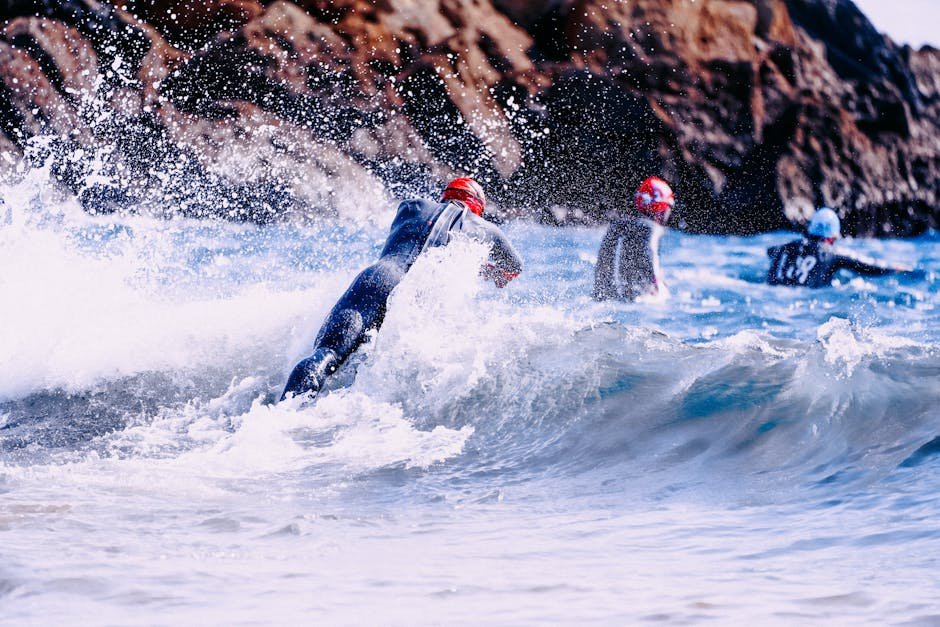
Photochromic vs Polarized Swim Goggles Comparison Table
Use this table to compare the two lens types quickly before choosing your next pair of open-water goggles.
| Feature | Photochromic Goggles | Polarized Goggles |
|---|---|---|
| Main Purpose | Adjust lens tint as light changes | Reduce glare from reflective water |
| Best For | Changing light, mixed clouds, early starts | Bright sun, ocean glare, sunny lakes |
| Open Water Use | Useful when light changes during a swim | Useful when reflected glare is the main problem |
| Triathlon Use | Good for variable race conditions | Good for sunny race-day glare |
| Indoor Pool Use | Check the lightest tint; a clear lens may be simpler | Depends on tint; polarization may be unnecessary indoors |
| Low-Light Use | Suitable only if the lightest tint lets in enough light | Dark-tinted versions may limit visibility |
| Glare Reduction | Tint can reduce brightness; do not assume the lens is also polarized | Targets reflected glare from the water surface |
| Best Buyer | Swimmers in changing light | Swimmers in bright sun and glare |
| Before Buying | Check the lightest and darkest tint, transition guidance, fit, and care instructions | Confirm the polarized version, lens tint, fit, and care instructions |
What Are Photochromic Swim Goggles?
Photochromic swim goggles use lenses that change tint based on light exposure. In brighter conditions, the lens darkens. In lower light, it becomes lighter.
This makes photochromic goggles useful for open-water swimmers who train in changing weather, early morning light, long sessions, or events where the sun may shift during the swim.
Photochromic Pros
- Adapts to changing light
- Useful for early starts when the lightest tint suits the conditions
- Good for cloudy-to-sunny conditions
- More versatile than fixed dark lenses
- Helpful for long swims where light changes
Photochromic Cons
- Any extra cost may be unnecessary for a fixed-light routine
- Photochromic tint alone does not establish that a lens is polarized
- Tint change speed can vary by model and conditions
- Not necessary for indoor-only swimmers
- Can still be too dark or too light for some swimmers
Check the Lightest Tint and Transition Behavior
Do not assume that every photochromic lens becomes fully clear or changes tint instantly. The lightest lens tint and transition behavior matter as much as the feature name. Check the manufacturer’s guidance for the specific model, then try it in conditions similar to your swim. A lens that looks comfortable in daylight may still be too dark for a low-light start.
What Are Polarized Swim Goggles?
Polarized swim goggles are designed to reduce glare, especially sunlight reflecting off the water surface. This is why they are popular for ocean swimming, lake swimming, outdoor pools, and sunny triathlon races.
Polarization itself does not make a lens change tint. Check whether the specific model also lists a photochromic feature rather than treating glare reduction and tint adjustment as the same thing.
Polarized Pros
- Excellent for reducing water glare
- Great for sunny ocean and lake swims
- Useful for outdoor pool training
- Strong option for bright triathlon races
- Often available in wide-view open-water goggles
Polarized Cons
- Dark tints can be too dark for early morning swims
- Polarization alone does not adjust the tint
- Darker versions may limit indoor visibility
- Does not directly prevent fogging
- Fit and seal still matter more than lens type
Photochromic, Polarized and Mirrored: Read the Lens Labels
These labels describe different features, so do not choose by lens color or a shiny finish alone. A mirrored lens is not automatically polarized, and a photochromic lens is not automatically a glare-filtering polarized lens.
Check what each label actually promises:
- Photochromic: a tint that changes with light exposure; check the stated range and transition guidance.
- Polarized: filtering of reflected glare; check the lens tint separately.
- Mirrored: a reflective lens coating; look for an explicit polarized specification rather than assuming both features are present.
Check UV protection and anti-fog treatment as separate product specifications. Neither a dark appearance nor either of the main lens labels tells you everything about eye protection or fog resistance. For lens care, see our anti-fog swim goggles guide.
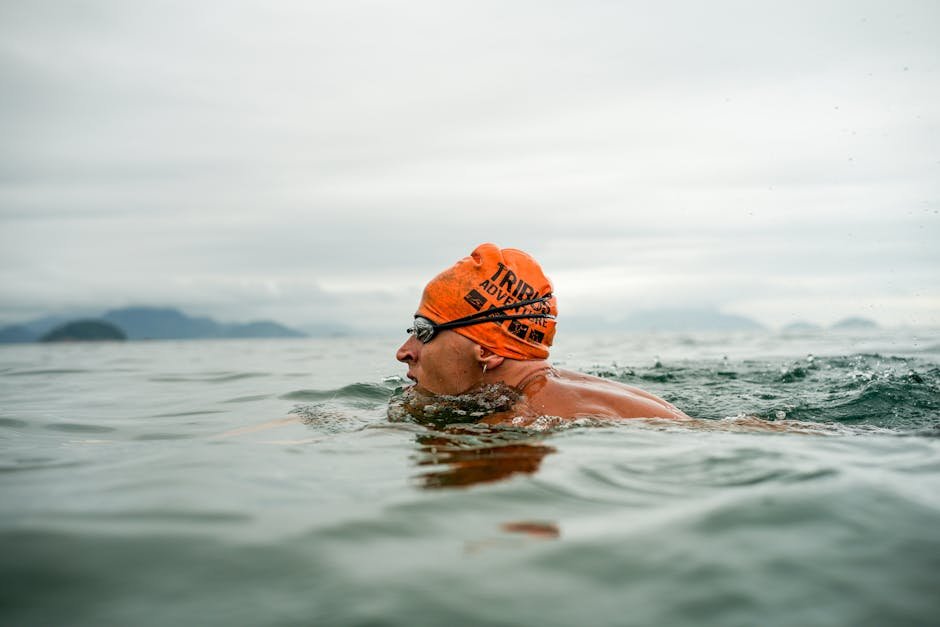
Photochromic vs Polarized by Swim Condition
The best lens depends less on the product name and more on your actual swim environment. Use the table below to match lens type to conditions.
| Swim Condition | Lens to Consider | Why |
|---|---|---|
| Bright ocean swim | Polarized with a suitable tint | Targets reflected glare in bright sun |
| Sunny lake training | Polarized | Helps with surface reflection and brightness |
| Cloudy open water | Clear/light tint, or a suitable photochromic model | Check visibility in the lens’s lightest state |
| Sunrise triathlon | Clear/light tint, or a photochromic lens tested in low light | The starting light level matters more than the label alone |
| Outdoor pool at noon | Polarized or an appropriate mirrored/tinted lens | Polarization targets glare; tint and mirroring can reduce overall brightness |
| Indoor pool | Clear or a suitably light tint | A practical starting point when available light is limited |
| Mixed clouds and sun | Photochromic with a suitable tint range | Adjusts tint; check the model’s transition behavior |
Which Lens Is Better for Open Water Swimming?
When reflected glare is the main visibility problem, polarized goggles are worth considering for sunny open-water swimming. They are especially relevant on lakes, oceans, and outdoor pools where sunlight reflects off the water.
Photochromic goggles are worth comparing when conditions change during a session. For sunrise or mixed-weather swims, confirm that the lightest tint gives you enough visibility and that the transition behavior suits your needs.
Which Lens Is Better for Triathlon?
For triathlon, the better lens depends on race start time and weather. A dark polarized lens may be excellent for a sunny mid-morning swim but too dark for a shaded sunrise start.
If your race is expected to be bright and reflective, polarized goggles are a strong choice. If the race starts early or conditions are uncertain, choose a lens you have tested in similar light. A photochromic model is only useful at the start if its lightest tint gives you enough visibility.
Triathlon lens checklist:
- Check race start time and expected sunlight.
- Know whether the course faces into the sun.
- Test your race goggles before race day.
- Bring a backup pair with a different lens tint.
- Avoid very dark lenses if the swim starts before full daylight.
For long-distance race options, read our guide to the best swim goggles for Ironman races.
Best Lens Choice for Ocean, Lake, and Pool Swimming
Ocean Swimming
Polarized lenses are usually best for sunny ocean swims because glare can be strong. For cloudy ocean swims, use clear or light-tint lenses.
Lake Swimming
Calm lakes can create strong surface glare. Polarized lenses help in bright sun, while clear or light smoke lenses work better for morning or cloudy swims.
Pool Swimming
Clear lenses are often a simple starting point for indoor pools. Outdoor pools may benefit from smoke, mirrored, or polarized lenses during bright daylight.
For ocean-specific visibility, see our guide to the best wide-view swim goggles for ocean swimming.
Are Photochromic Swim Goggles Worth It?
Consider Them for Changing Light
If your sessions regularly move between cloud, shade, and sunshine, a suitable photochromic lens may be worth comparing with a fixed tint. The useful feature is a tint range that matches your swim, not simply the word “photochromic.”
A Simpler Lens May Be Enough
For consistently low light, a clear or lightly tinted lens may meet your needs. For consistently bright reflected glare, compare polarized options. Spending more on a changing-tint feature makes little sense if your sessions do not call for it.
Start with when and where you swim, then check fit and lens specifications. Use the Open Water Goggles Finder to compare options by your priorities.
Recommended Polarized Goggles to Consider
If you decide polarized goggles match your conditions, use these five examples as a starting point. This is a shortlist for further comparison, not a head-to-head test against photochromic models.
Confirm that the exact lens option is labeled polarized or polarised before buying. A product-family name or mirrored finish alone does not establish that specification.
| Product | Best For | Key Strength | Lens Type | Check Price |
|---|---|---|---|---|
| Aqua Sphere Kayenne Polarized | Wide-view open water | Comfort and visibility | Polarized | View on Amazon |
| Zoggs Predator Flex Polarized | Triathlon training | Secure flexible fit | Polarized | View on Amazon |
| TYR Special Ops 2.0 Polarized | Bright outdoor swimming | Sporty polarized design | Polarized | View on Amazon |
| ZONE3 Venator-X Polarised | Premium open water | Triathlon-focused design | Polarised | View on Amazon |
| ZIONOR Upgraded G1 | Sunny ocean and lake swims | Wide-view value pick | Polarized | View on Amazon |
For more options, see our full guide to the best polarized goggles for open water swimming.
Common Mistakes When Choosing Lens Type
Avoid these mistakes:
- Choosing dark polarized lenses for early morning starts.
- Assuming polarized lenses also prevent fogging.
- Using indoor clear lenses for bright ocean glare.
- Buying photochromic goggles when you only swim indoors.
- Ignoring fit and seal because the lens type sounds advanced.
- Testing a new lens for the first time on race day.
- Assuming one pair covers every light condition without testing it.
Frequently Asked Questions
Are photochromic swim goggles better than polarized goggles?
Neither is always better. Photochromic lenses adjust tint for changing light, while polarized lenses target reflected glare. Choose according to your swim conditions, then check the specific lens tint and fit.
Are polarized goggles good for open water swimming?
Yes. Polarized goggles are very useful for sunny open-water swims because they reduce glare from sunlight reflecting off the water surface.
Are photochromic goggles good for triathlon?
They can be useful when light changes during a race, provided the lightest tint suits the start and the transition behavior works for you. For persistent bright glare, compare polarized options. Test the chosen lens in similar light before race day.
Do polarized goggles stop fogging?
No. Polarized lenses reduce glare, not fog. Fog resistance depends on the anti-fog coating, lens care, fit, humidity, and water conditions.
Can I use polarized swim goggles indoors?
Yes, if the tint lets in enough light for the pool. Polarization and lens darkness are not the same thing. A clear or lightly tinted lens is often a practical indoor choice.
What lens color is best for ocean swimming?
Match the lens to the available light rather than color alone. For bright reflected glare, consider polarized lenses; mirrored or tinted lenses can reduce overall brightness. For low light, clear or lightly tinted lenses may be easier to see through.
How quickly do photochromic swim goggles change tint?
There is no single transition time for every model. Tint-change speed can vary with the lens and conditions. Check the manufacturer’s guidance and test the lens; do not assume an instant switch or a fully clear low-light state.
Are photochromic lenses automatically polarized?
No. Automatic tint adjustment and polarization are separate features. Only treat a goggle as having both when the manufacturer lists both for the exact lens version.
Final Verdict
Consider photochromic swim goggles if your light conditions change often. Check their lightest tint and transition behavior for mixed weather, early starts, and long sessions where the light may shift.
Consider polarized swim goggles if your main problem is reflected glare. They are especially relevant for sunny ocean swims, lake training, outdoor pools, and bright triathlon races, provided the tint and fit suit you.
Our Practical Recommendation
Start with your main visibility problem, then choose a comfortable fit. Use the polarized buying guide below when glare is the priority. For changing light, compare the actual tint range of a photochromic model rather than assuming that either technology is best for every swim.